Start a Project

Request a Quote.

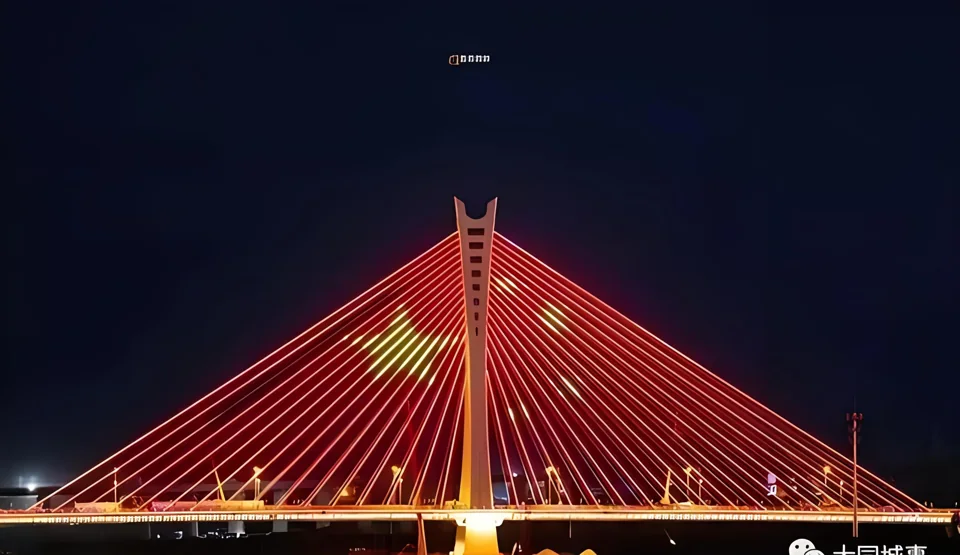
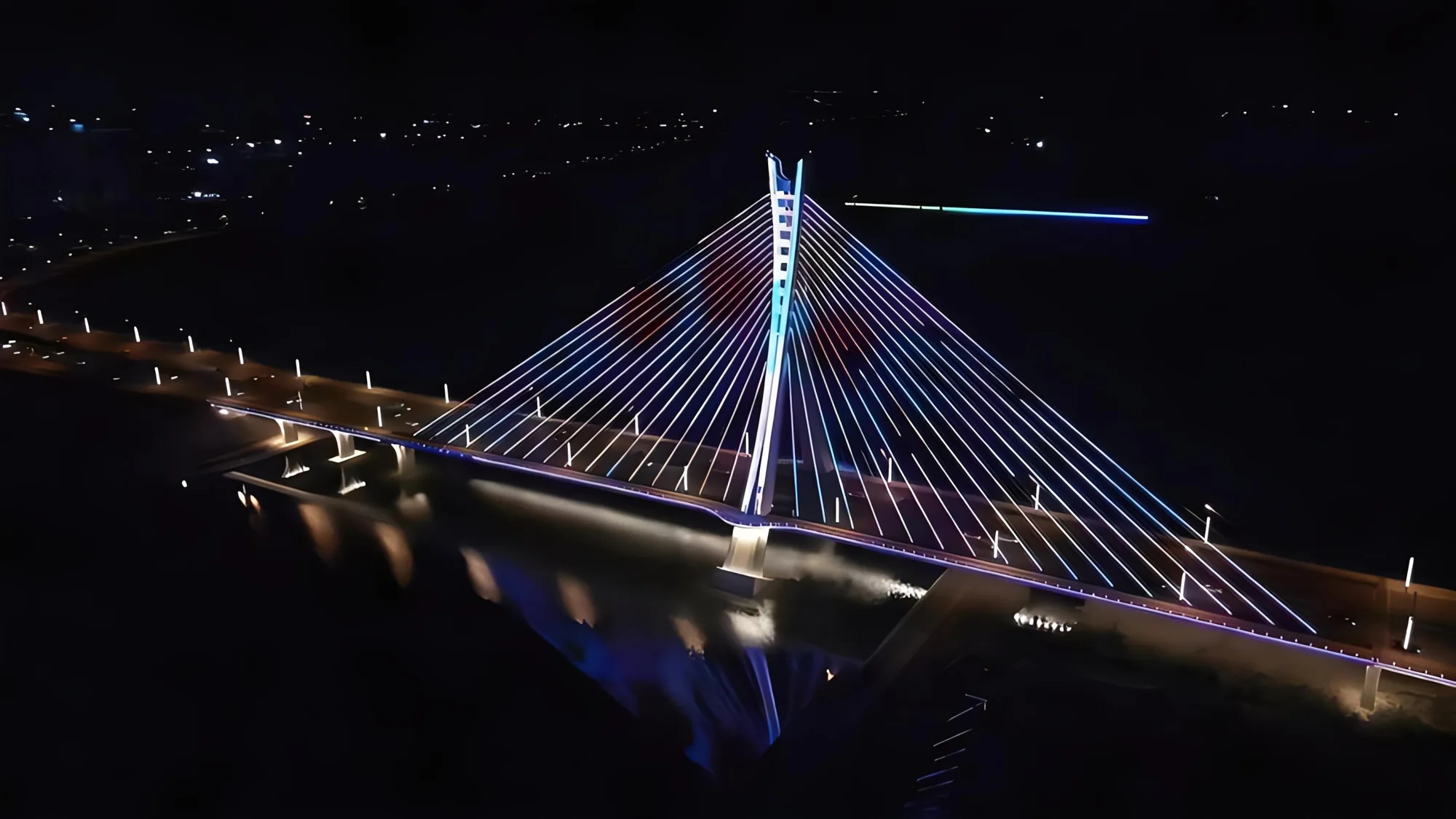
Datong Kaiyuan Bridge at night with illuminated central pylon and stay cables from an elevated viewpoint

ARCHITECTURAL BRIDGE LIGHTING

Architectural Bridge Lighting Solutions

Choose architectural LED lighting around the bridge structure, approved mounting positions and key viewpoints. Share your drawings with CRANE to compare product families and configurations, review mounting requirements and identify the available optical information needed for fixture selection.

Datong Kaiyuan Bridge, China — pylon, stay cables and deck edge

START WITH THE STRUCTURE

Give Each Bridge Element a Clear Lighting Role

A bridge is read differently from a distant riverbank, a road approach and the walkway itself. Identify the main structural form and the key viewing positions before deciding which elements should lead the night-time composition.

Decide where light should reveal a structural surface and where visible lines or points should define an outline. Use the bridge applications below to identify constraints, then compare lighting layers and fixture options against the project geometry.

Architectural effects should be coordinated with the separate roadway and pedestrian lighting requirements of the project.

BRIDGE LIGHTING APPLICATIONS

Bridge Forms and Lighting Applications

Use the structural form and viewing conditions to identify the main selection constraints. The linked projects illustrate these applications; each new layout needs its own mounting and optical review.

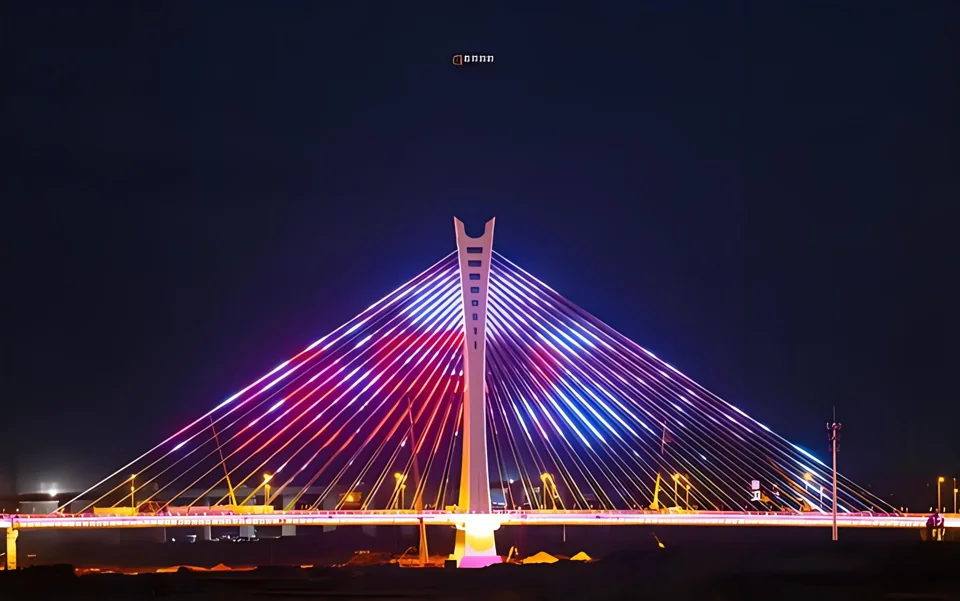
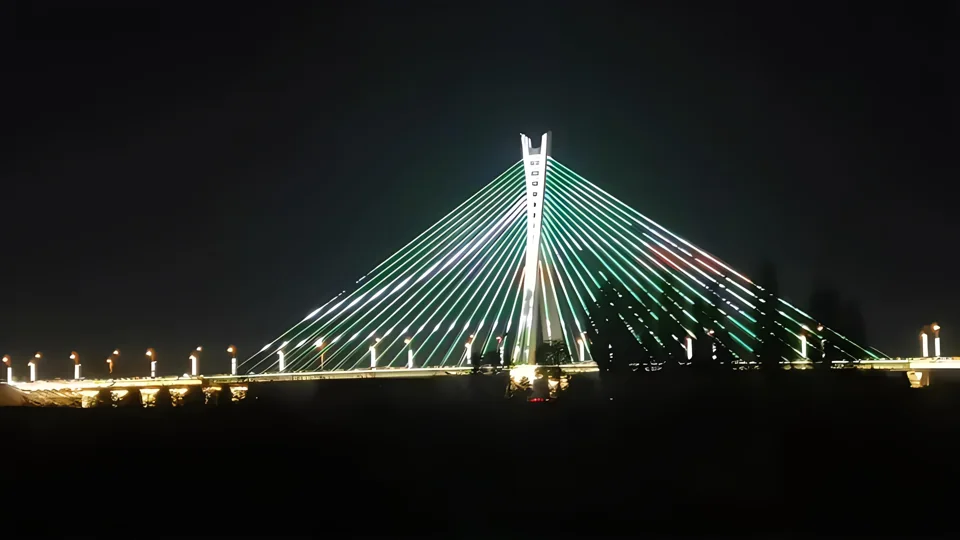
Green and white LED lighting on the pylon and cable fan of Datong Kaiyuan Bridge
Green and white lighting across the pylon and stay cables

Cable-Stayed Bridges

A broad pylon and slender stay cables present different targets. Assess surface illumination and direct-view points or lines separately, starting with target dimensions, viewing distance and approved mounting zones. Do not assume that fixtures can be attached to the cables.

Lighting focus
Pylon, stay cables and deck edge
Selection checks
Target width, viewing distance, permitted fixing locations and cable routes
View Datong Kaiyuan Bridge →
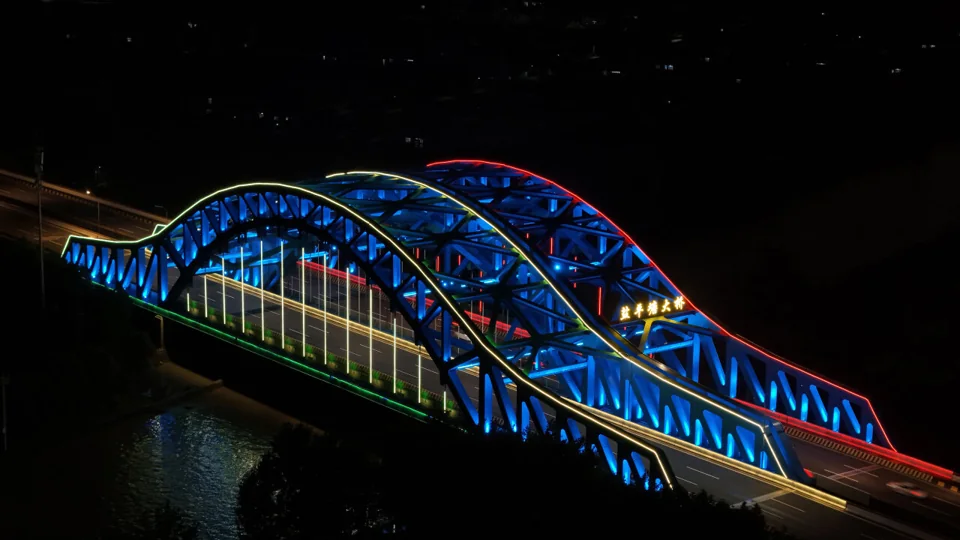
Angled view of Yanpingtang Bridge with blue floodlighting on steel trusses and red linear accents

Steel Tied-Arch Bridges

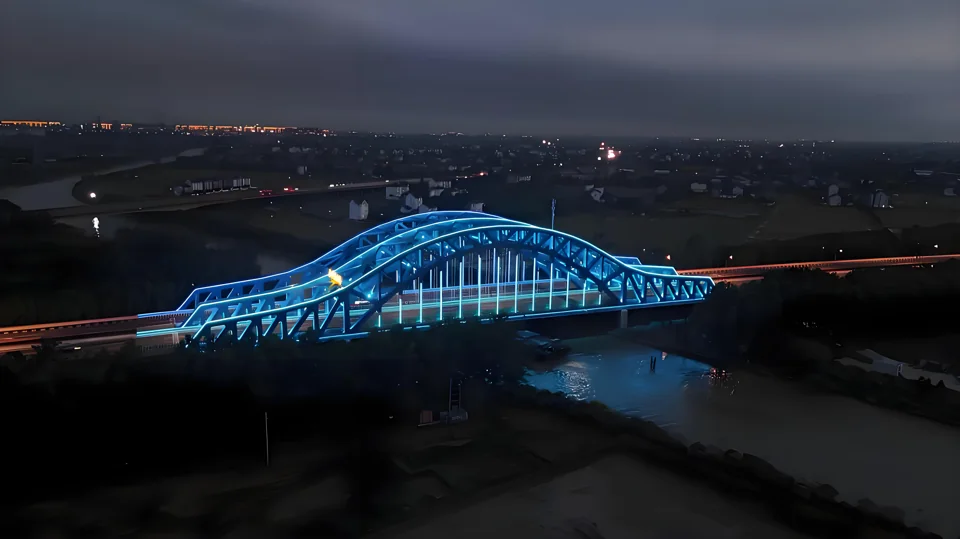
Consider floodlighting for broad steel faces and direct-view linear accents for selected edges. Open trusswork requires careful aiming to limit light passing between members. Coordinate mounting brackets and service access with the approved structural details.

Lighting focus
Steel arches, truss members and structural lines
Selection checks
Beam coverage, aiming, straight-run joints and maintenance access
View Yanpingtang Bridge →
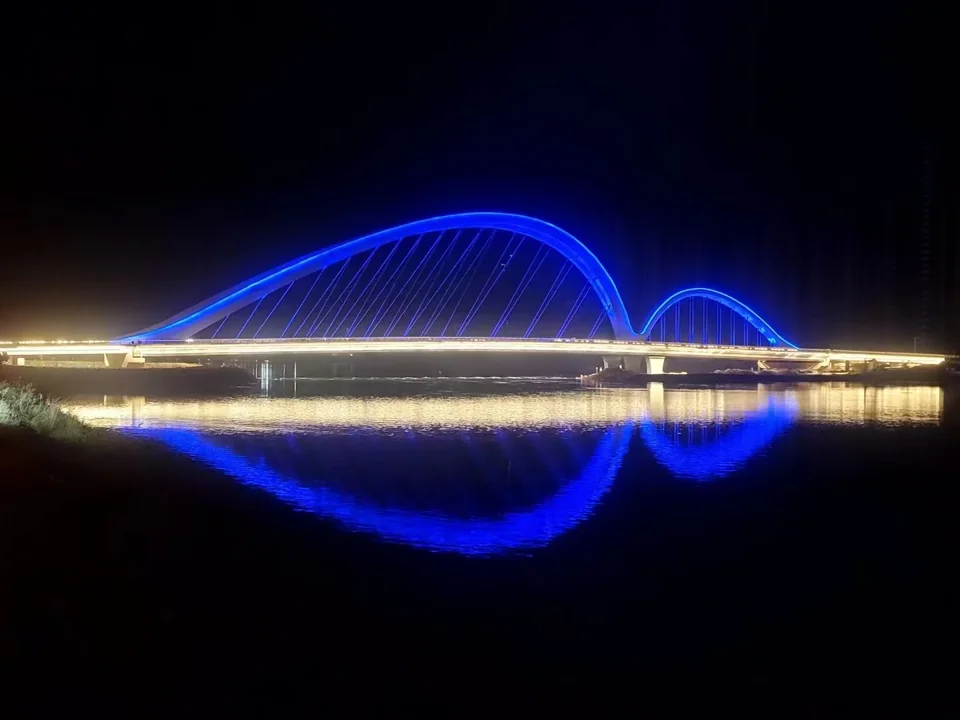
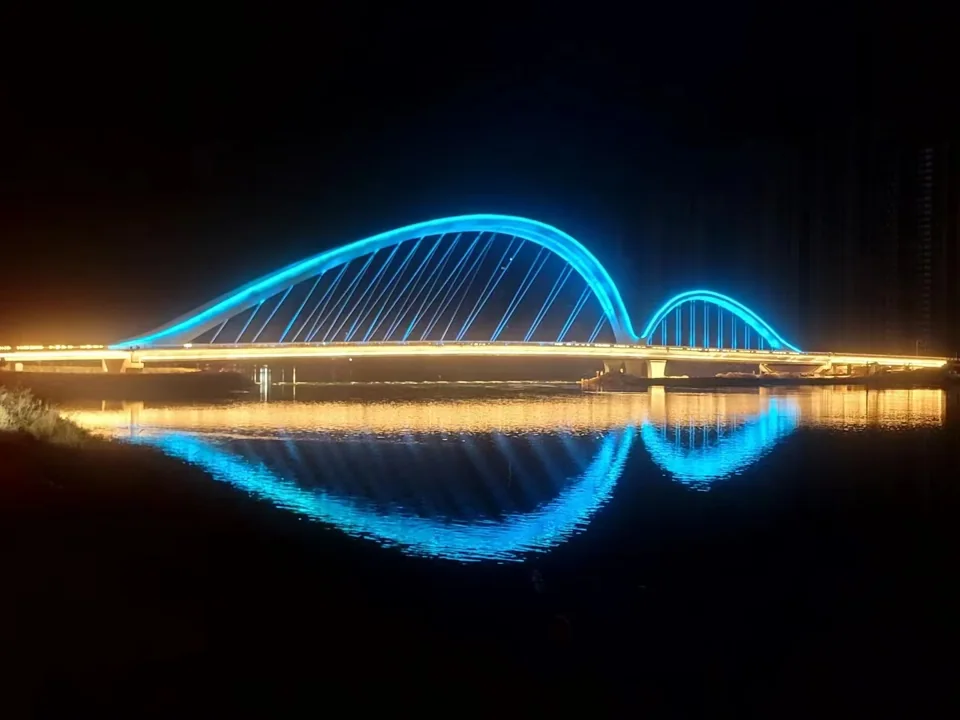
Blue LED illumination tracing the two unequal arches of Qingdao Fenghe Bridge

Asymmetric Arch Bridges

Unequal arches need separate checks of target width, mounting distance and apparent brightness. Compare both forms from the main approaches and waterfront viewpoints before repeating a fixture layout; the same output and distribution may not suit both.

Lighting focus
Main arch, companion arch, deck line and waterfront view
Selection checks
Separate target sizes, spill, color balance and approach views
View Qingdao Fenghe Bridge →
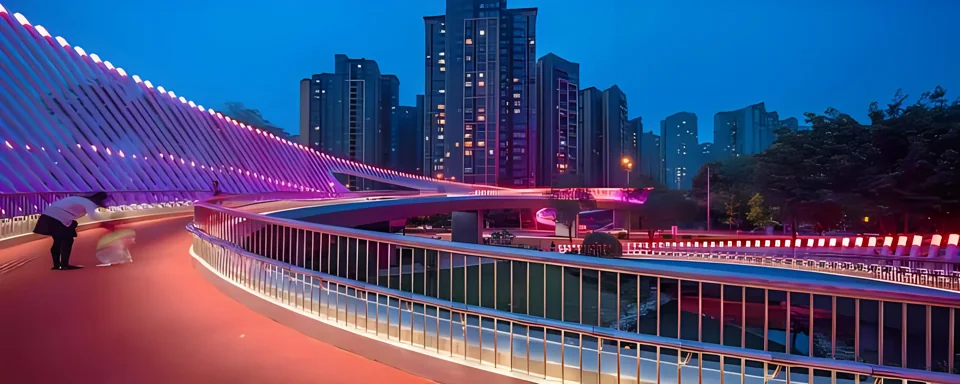
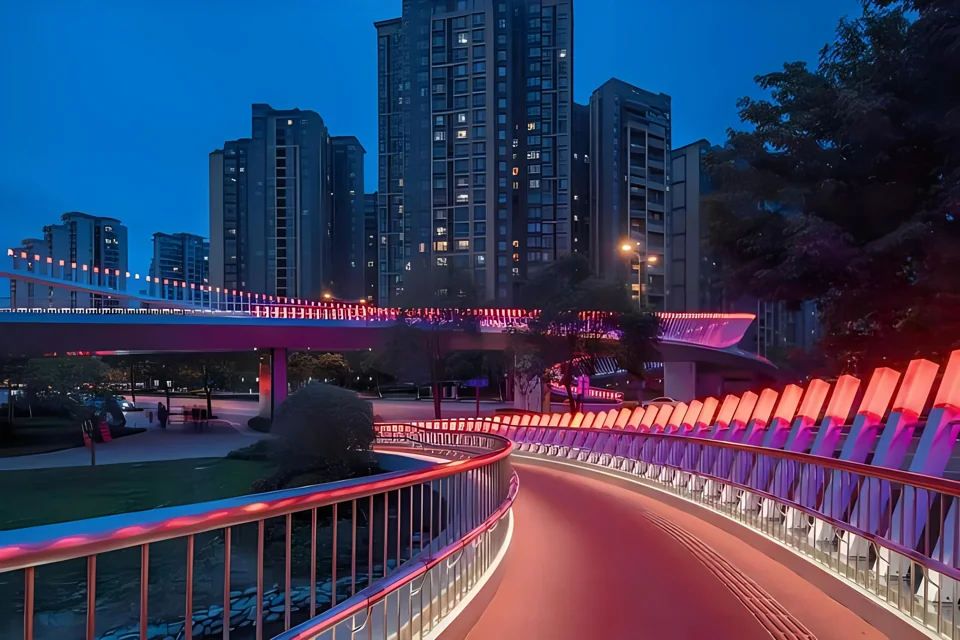
Chengdu Tianfu 2nd Street Footbridge with illuminated curved railings and warm pedestrian walkway lighting at dusk
Walkway-level view of the illuminated curves and railings

Curved Pedestrian Bridges

At pedestrian eye level, source brightness and railing integration matter as much as the distant outline. Match curved runs to the profile's permitted bending direction and radius, and retain access to cables and connections without compromising the separate walkway lighting.

Lighting focus
Curved edges, railing rhythm and pedestrian views
Selection checks
Bend geometry, concealed wiring, visible brightness and service access
View Chengdu Tianfu 2nd Street Footbridge →

STRUCTURE AND VIEWPOINT

Coordinate the Main Form, Structural Rhythm and Deck Line

Distinguish light reflected from the structure from light sources seen directly as lines or points. Combine these layers only where they clarify the bridge form, with brightness and continuity assessed from the main viewpoints.

Datong Kaiyuan Bridge with red and blue LED lighting across the radiating stay cables
Coloured cable lighting and the bridge deck at night
  1. 01

    Main Structural Form

    Consider surface illumination when the pylon or arch itself should be visible. Match the distribution and aiming to the target width and fixture position, then review the effect from the approach and riverbank.

  2. 02

    Cables and Repeated Members

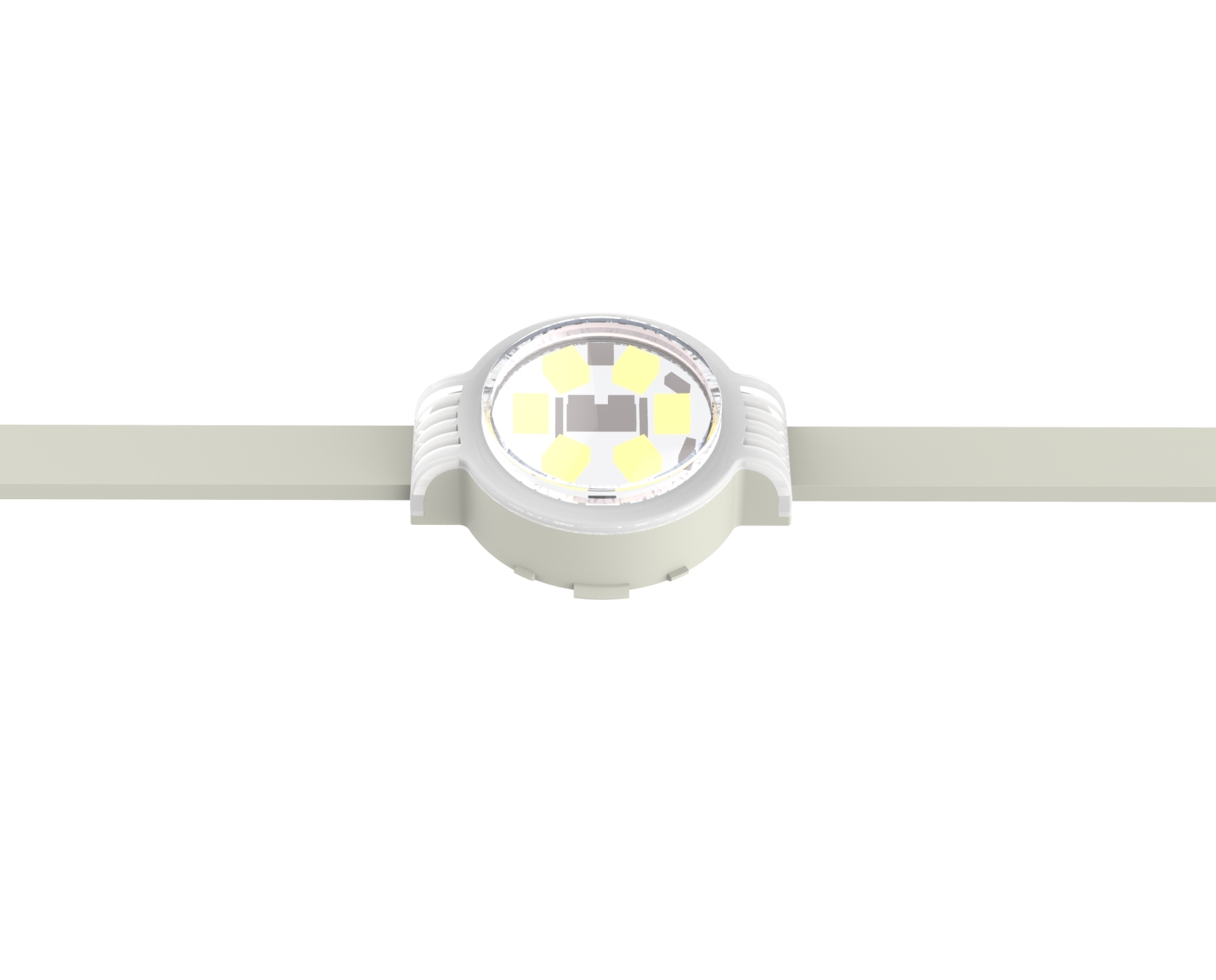
    Compare illuminating the members from separate mounting positions with using visible points or lines to trace their rhythm. These approaches have different optical, fixing and maintenance requirements. Any attachment to cables or structural members requires project approval.

  3. 03

    Deck and Edge Lines

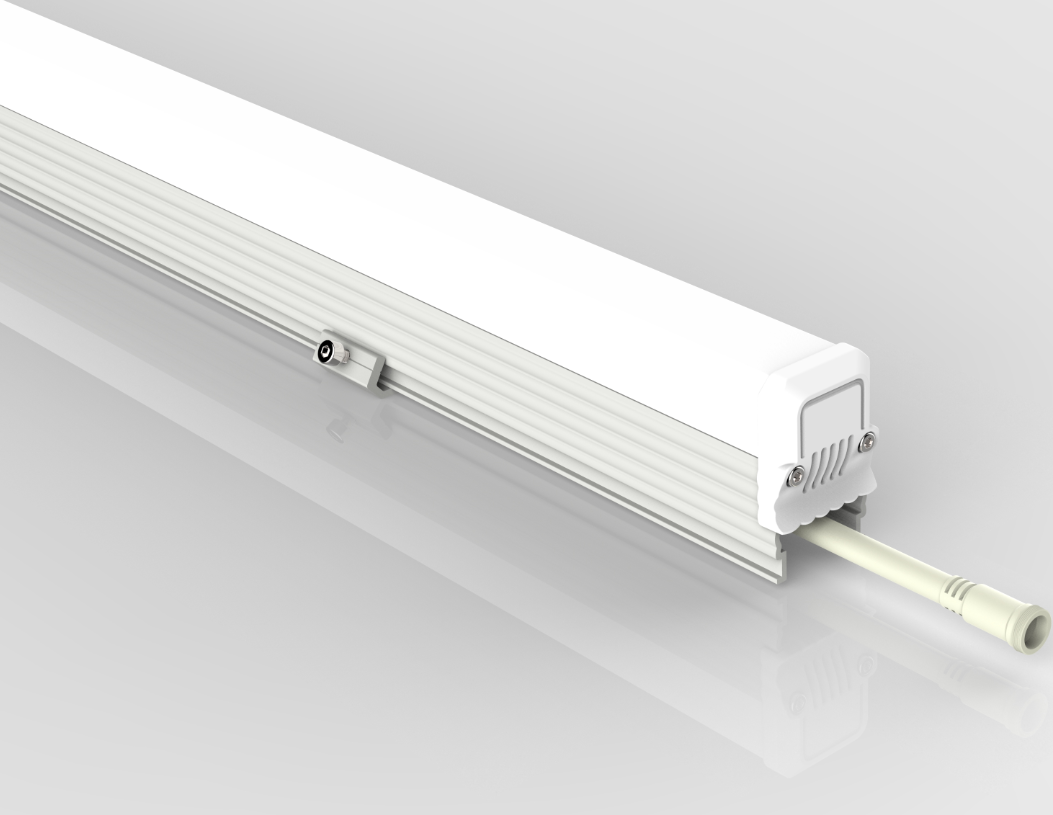
    Use an edge line when the span needs a visible horizontal outline. Compare rigid profiles for straight runs and compatible flexible or segmented arrangements for curves, allowing for joints, cable feeds and maintenance access.

PROJECT SELECTION CHECKS

Five Checks Before Selecting Bridge Fixtures

Review the installation conditions as well as the desired night-time appearance.

  1. 01

    Structure and Fixing Locations

    Identify the permitted mounting zones and obtain the required structural approval for brackets, channels and attachments.

  2. 02

    Viewing and Mounting Distance

    Record riverbank, roadway and walkway viewpoints together with the distance from each fixture to its target.

  3. 03

    Optics, Glare and Spill

    Place light on the intended members while reviewing driver sightlines, direct source views, water reflections and nearby properties.

  4. 04

    Exposure and Maintenance

    Coordinate wind, vibration, corrosion exposure, cable protection and safe access for inspection or replacement.

  5. 05

    Operating Scenes and Control

    Define the lighting zones, brightness settings and required white or RGBW scenes before confirming the compatible electrical and control configuration.

PROJECT SUPPORT

From Bridge Drawings to Fixture Selection

CRANE can review bridge drawings and mounting constraints to help narrow product families and configurations, and identify applicable drawings or available optical information. Confirm the scope of lighting calculations, structural review, control programming and on-site support separately for each project.

  1. 01

    Review the Bridge Information

    Share elevations, structural sections, dimensions, proposed mounting areas and the main viewpoints.

  2. 02

    Define the Lighting Layers

    Identify the pylon, arch, cable fan, trusswork or edge lines that should lead the composition.

  3. 03

    Compare Fixtures and Optics

    Narrow the distribution, housing and output for the target geometry and mounting distance.

  4. 04

    Coordinate Mounting and Scenes

    Review brackets, line joints, bends, cable access and the required white or RGBW operating scenes.

  5. 05

    Review the Selected Configuration

    Request model-specific drawings and available photometric information, and identify the project calculations or trial sections needed before confirmation.

Have bridge elevations, structural details or riverbank viewpoints ready?

Send Bridge Project Files →

CRANE BRIDGE LIGHTING REFERENCES

Explore Four Bridge Structures After Dark

Compare steel arches, a cable-stayed span, unequal arches and a curved pedestrian crossing. Each project highlights a different relationship between structure and viewing distance.

Aerial night view of Yanpingtang tied-arch bridge with blue illuminated steel trusses above the canal

Yanpingtang Bridge

Location
Jiaxing, Zhejiang, China
Lighting focus
RGBW steel arches and selected truss edges
CRANE's scope
Lighting design and product supply

RGBW floodlighting reveals the steel arch faces, while linear accents trace selected edges. The recorded DMX512 arrangement coordinates the regular blue appearance and alternative event scenes.

View Yanpingtang Bridge →
Red and gold lighting on the stay cables of Datong Kaiyuan Bridge.
Warm red and gold lighting across the cable fan

Datong Kaiyuan Bridge

Location
Datong, Shanxi, China
Lighting focus
Pylon, stay-cable fan and deck edge

The illuminated pylon and radiating cables establish the bridge's vertical identity above a continuous deck line. The project photographs show several color appearances across the same structure.

View Datong Kaiyuan Bridge →
Cyan lighting on the asymmetrical arch bridge above waterfront reflections
Cool cyan illumination defines both arches above the deck.

Qingdao Fenghe Bridge

Location
Qingdao, China
Lighting focus
Unequal arches, deck line and waterfront reflections

A taller main arch and smaller companion arch remain recognizable through different color appearances. Reflections extend the profile across the water, adding another viewpoint for the lighting composition.

View Qingdao Fenghe Bridge →
Close view of the curved pedestrian ramp with pink railing accents and illuminated deck edges in Chengdu
Railing accents and continuous edge lighting along the walkway

Chengdu Tianfu 2nd Street Footbridge

Location
Chengdu, China
Lighting focus
Curved edges, railing accents and close pedestrian views

Continuous illuminated edges follow the linked curves, while repeated railing accents create a finer rhythm. The crossing illustrates why bending details and the view from the walkway need attention alongside the street-level appearance.

View the Chengdu Footbridge →

BRIDGE LIGHTING FAQ

Questions Before Specifying Architectural Bridge Lighting

Where should bridge lighting design begin?
Begin with the structural form and the main viewing positions. Identify which pylon, arch, cables or deck lines should remain recognizable, then review fixture positions, distributions and brightness relationships.
Can the same approach be used for arch and cable-stayed bridges?
The same product family may serve different roles, but the layout needs to suit the structure. Broad arch faces, slender cables and a tall pylon have different target geometries and mounting conditions.
How should a curved pedestrian bridge be approached?
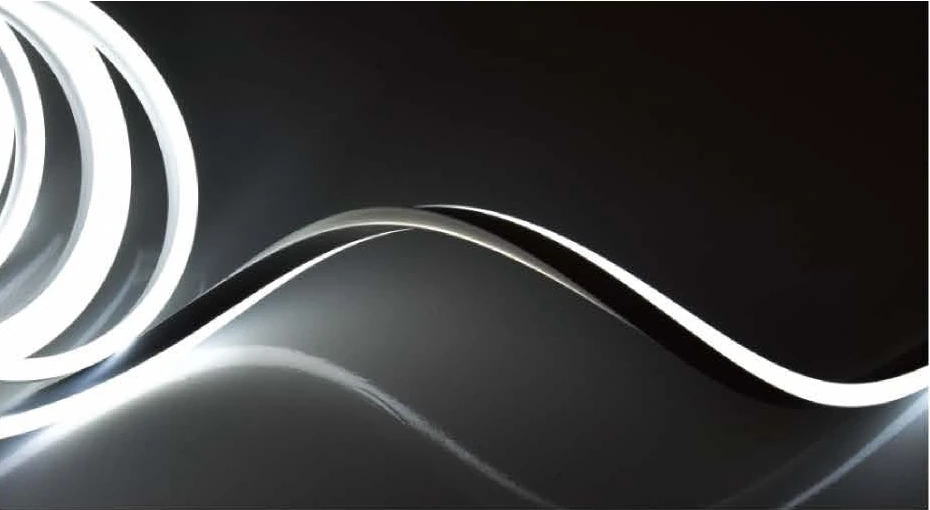
Review the edge geometry, railings and close views of the light sources. Where a continuous flexible profile is proposed, coordinate its bending direction, minimum radius, fixing channel and feeds with the bridge detail.
When are rigid linear lights suitable?
Rigid linear profiles can suit straight deck edges and structural lines. Plan the joints and mounting detail carefully. Curved runs require a compatible segmented layout or a flexible profile selected for the actual bend.
What is needed for RGBW bridge scenes?
Define the color configurations, lighting zones and operating scenes, then confirm compatible fixtures, drivers or decoders and the control arrangement. Yanpingtang Bridge has a recorded DMX512 application; each new project's arrangement should be specified separately.
How can glare and unwanted spill be addressed?
Review aiming, shielding and brightness from road approaches, riverbanks and pedestrian eye level. Include reflections and nearby properties in the assessment, using the actual fixture photometry and project geometry where required.
Does architectural bridge lighting replace roadway or walkway lighting?
Architectural lighting defines the bridge's appearance. Roadway and pedestrian lighting have separate performance requirements and should be coordinated with the project team's lighting and engineering design.
What information should I send for fixture selection?
Share elevations, structural sections, dimensions, installation photographs, proposed mounting locations and key viewpoints. Include desired scenes, known supply and control requirements, quantities if available, and maintenance-access constraints.

Discuss Your Bridge Lighting Requirements

Share the bridge drawings, structural details and intended night-time appearance. Add the main viewpoints, available fixing locations and any color or control requirements so our team can review suitable product configurations with you.

Request a Quote.