Datong Kaiyuan Bridge Cable-Stayed LED Lighting Project
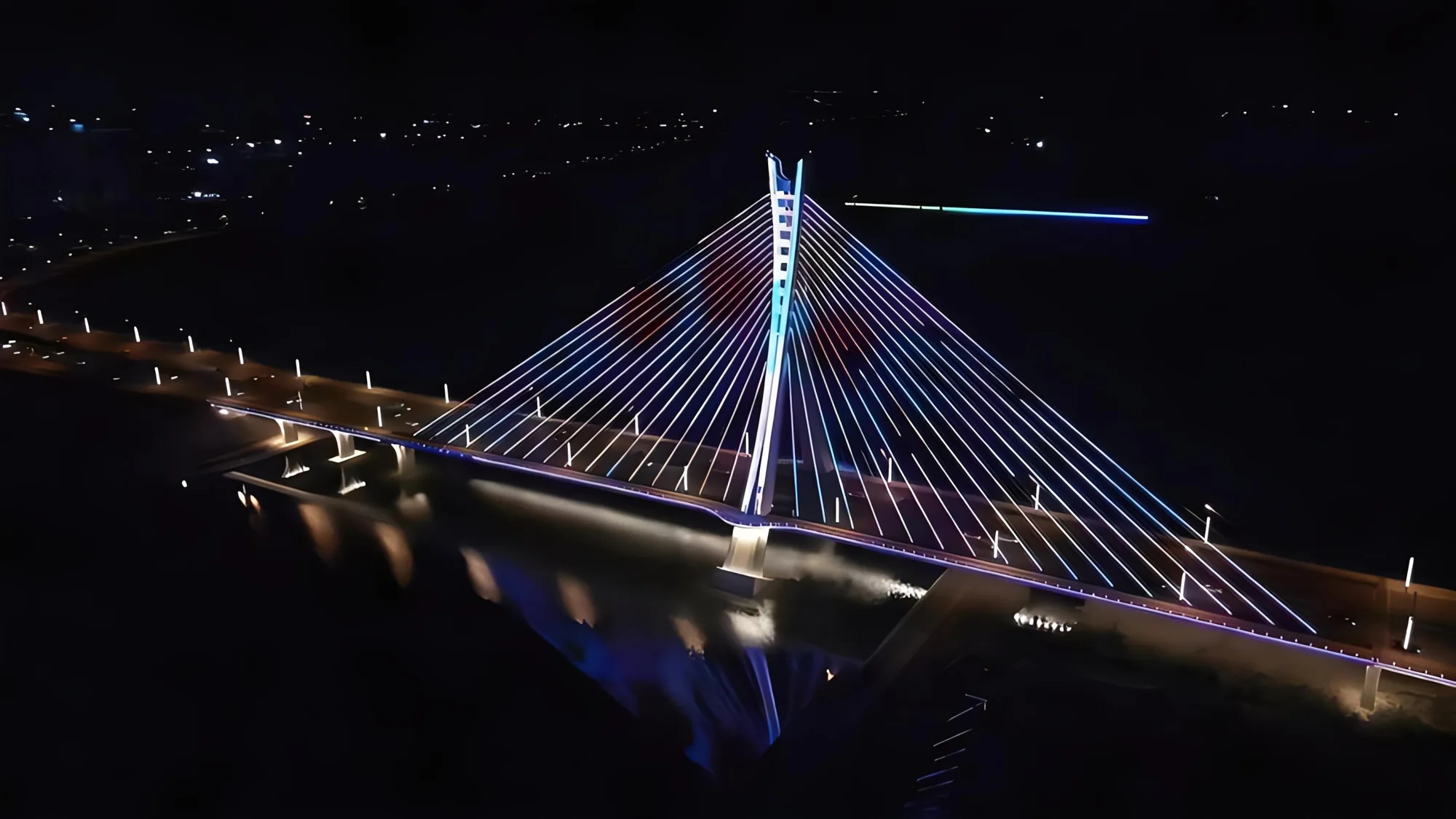
Datong Kaiyuan Bridge uses light to reveal its central pylon, radiating stay cables and continuous deck line. Different color scenes transform the cable fan while keeping the bridge's structure recognizable after dark.
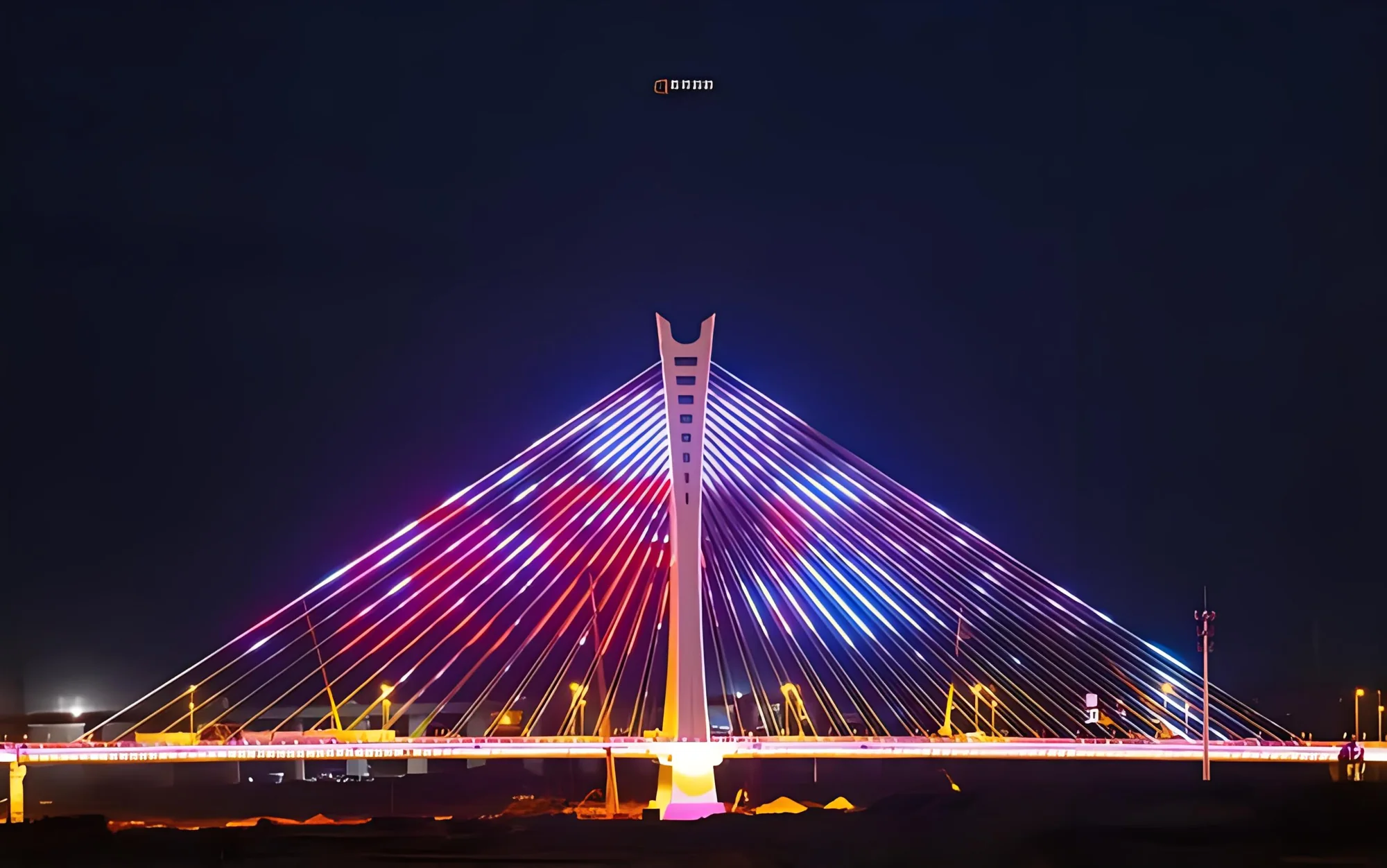
The single pylon and radiating stay cables establish the distinctive form of Datong Kaiyuan Bridge. After dark, lines of light pick out the cables against the sky, while the illuminated deck edge gives the composition a clear horizontal base.
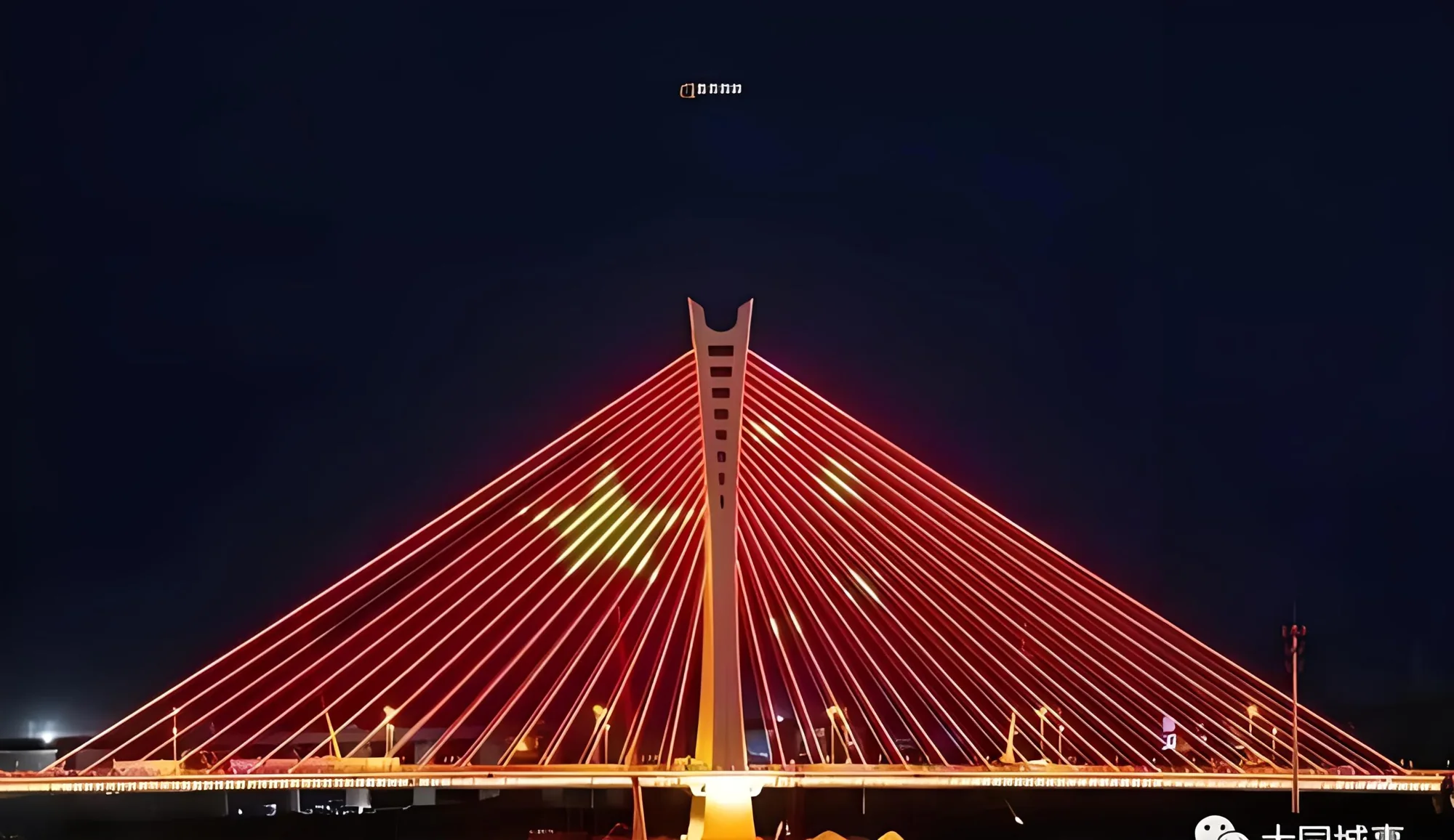
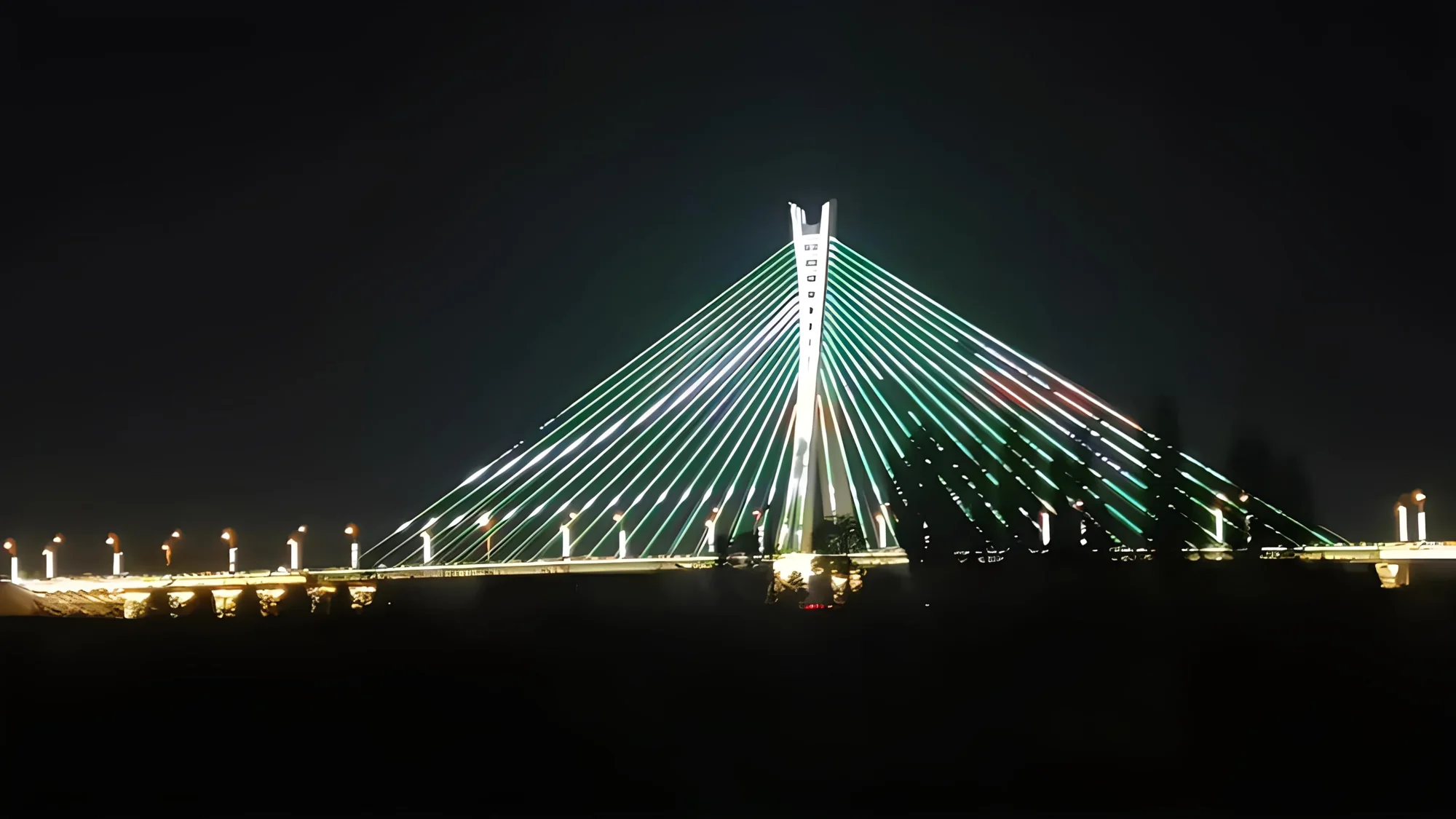
The project photographs show red, blue, green and white lighting arrangements across the same structure. Separating the pylon, cable fan and deck into distinct lighting elements keeps the bridge legible as the color changes. The design also needs to accommodate traffic visibility and maintenance access.
↗Road-level view of the illuminated pylon and stay cables
Lighting Approach
Pylon Lighting, Stay-Cable Pixels and Deck Integration
↗Coloured cable lighting and the bridge deck at night
Give the Pylon a Clear Visual Role
The pylon anchors the bridge silhouette. Directional floodlighting can reveal its surfaces without overpowering the cable fan. A separate brightness setting for the tower helps maintain a clear vertical reference as the cable colors change.
Organize LED Pixels Along the Stay-Cable Fan
The cables form unequal runs radiating from the pylon. A point-source layout must follow their actual lengths, with spacing, addressing and connections coordinated before installation. Grouping pixels by cable or section allows controlled color sequences while preserving the fan-shaped geometry.
Keep Deck Accents Separate from Road Lighting
The deck-edge light line gives the structure a steady base beneath the cable fan. Decorative lighting must not interfere with carriageway illumination or drivers’ sightlines. Shielding, aiming and service access should be checked at bridge level, not only from distant viewpoints.
PROJECT PHOTOS & FILM
Datong Kaiyuan Bridge: Color Scenes on the Stay-Cable Fan
The photographs record the illuminated cable fan in blue, green, red and mixed-color scenes. The project film adds an elevated view of the pylon and bridge approaches.
↗Warm red and gold lighting across the cable fan↗Green and white lighting across the pylon and stay cables
PROJECT OBSERVATIONS
One Cable-Stayed Structure, Several Color Arrangements
Changing the cable colors alters the bridge’s nighttime character, but the pylon and deck preserve its structural outline. The elevated view helps assess the complete span; the road-level image shows the cable fan from the approach.
Related products
LED Pixel, Floodlight and Linear Options for Cable-Stayed Bridges
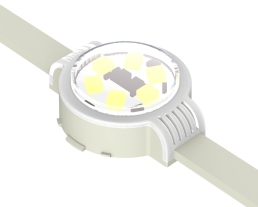
For a similar cable-stayed bridge, YY Round pixel lights can form addressable points along the stay cables in a compatible control configuration. Cable spacing, fixings and channel allocation should be agreed from the structural drawings before the color scenes are programmed.
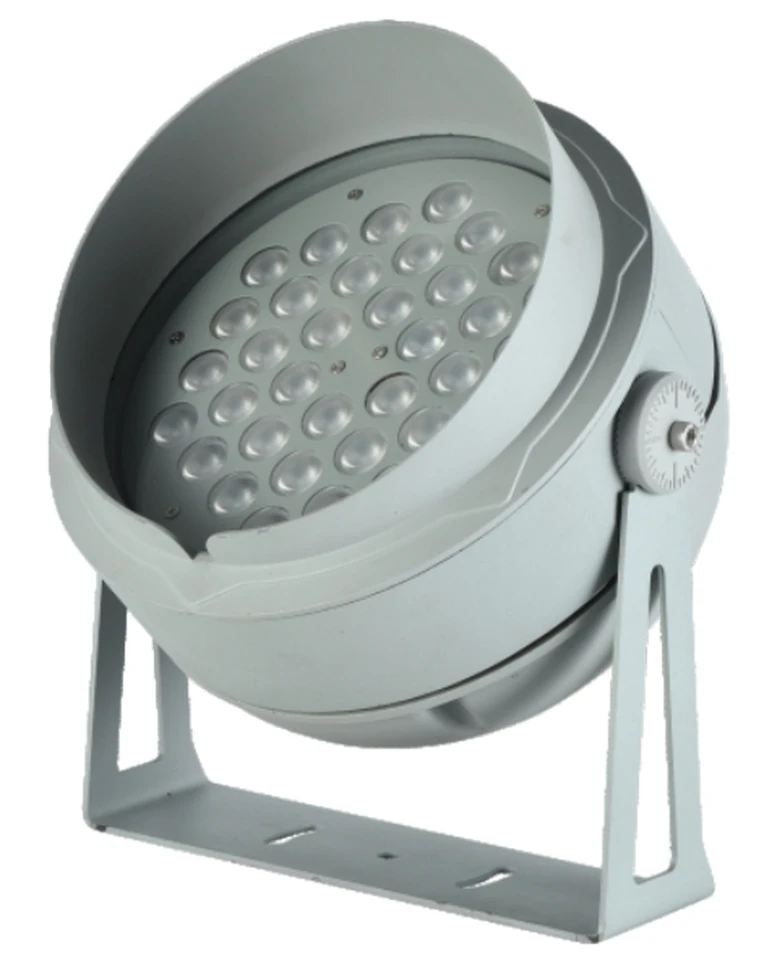
XY Large floodlights provide directional illumination for broad pylon surfaces in comparable projects. Beam spread, aiming distance and glare control should be reviewed together so the tower remains visible without competing with the brighter cable lighting.
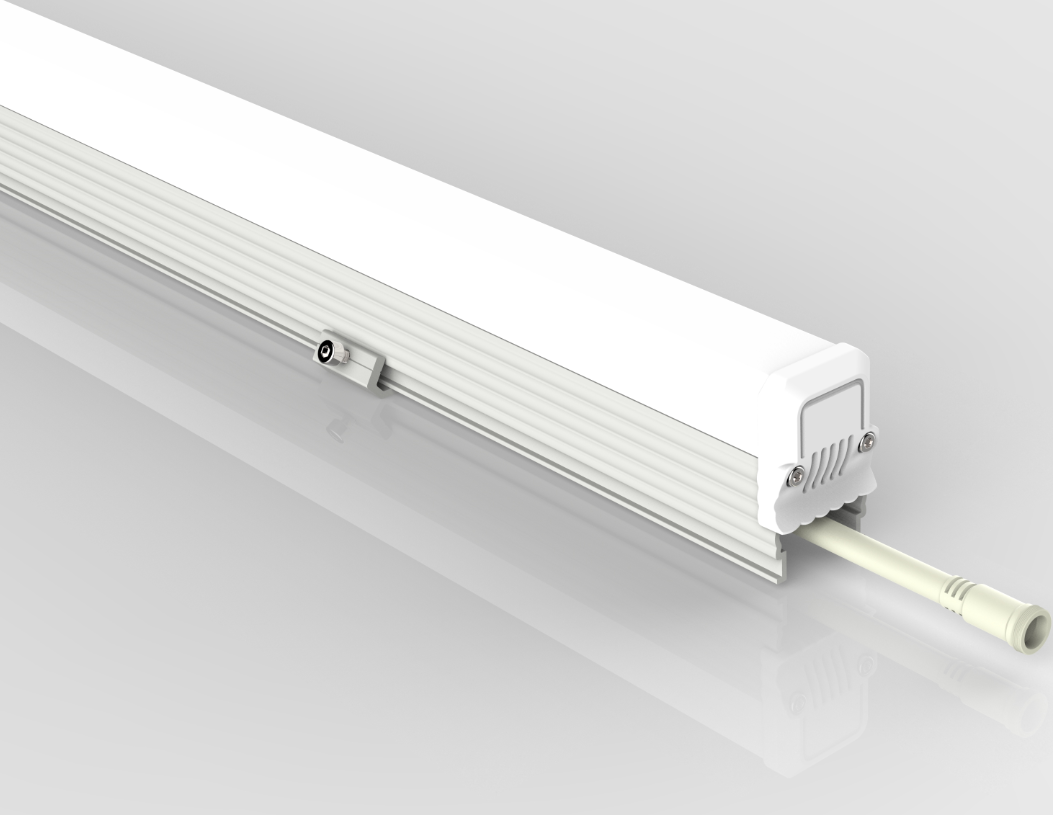
RG Covered linear lights are suitable for continuous straight runs along the deck edge. Their diffused profile helps define the horizontal span below the cable fan. The layout should account for segment joints, mounting space and accessible cable routes.
Practical answers on cable-mounted pixels, pylon floodlighting, controls and road-user safety.
Which LED lights are suitable for pylons, stay cables and deck edges?
Pixel lights can form defined points along stay cables, floodlights provide directional illumination on the pylon, and linear lights can outline straight deck edges. The three lighting tasks need different mounting and optical arrangements.
How is pixel spacing planned on stay cables of different lengths?
Start with the cable lengths, desired visual spacing and principal viewing distance. Then calculate pixel quantities, power distribution and control capacity for each cable or group. Final spacing must also respect approved fixing locations and inspection access.
Can the pylon and stay cables run independent DMX512 lighting scenes?
Yes, when compatible color-changing fixtures, addressing and controllers are specified. The pylon, cable groups and deck can operate in separate zones. The colors shown in this project do not, by themselves, confirm the control equipment installed on the bridge.
How should LED fixtures be mounted on structural stay cables?
Use fixing methods approved by the bridge engineer and cable-system supplier. Cable clamps, wiring and service points must not obstruct inspection or interfere with the designed cable system. The lighting layout should allow safe replacement without modifying structural components.
How can decorative bridge lighting avoid glare for drivers?
Aim and shield architectural luminaires away from the carriageway and direct lines of sight. Review the approach from both traffic directions, including changes between lighting scenes. Functional roadway lighting should be designed and operated separately from decorative effects.
PLAN YOUR BRIDGE LIGHTING
Discuss Your Cable-Stayed Bridge Lighting Project
Send CRANE the bridge elevation, pylon sections, stay-cable schedule and deck-edge details. Include proposed fixing locations, available power, expected color scenes and key traffic viewpoints so we can review suitable LED products and control options.