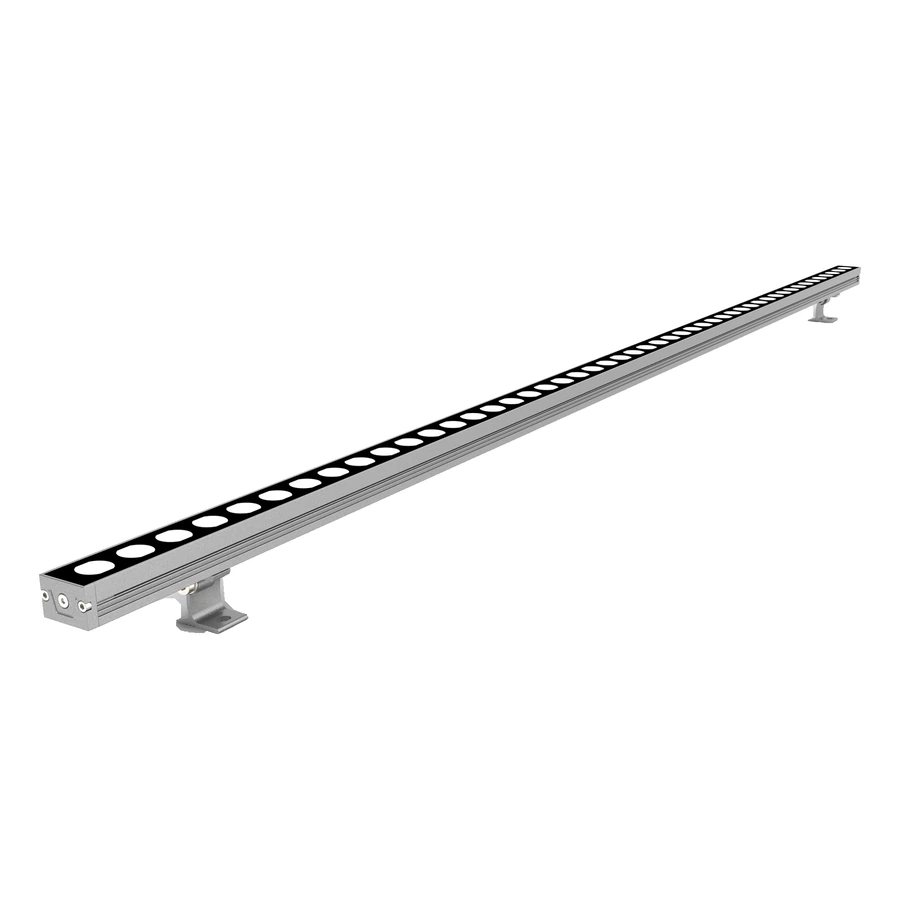
HL Slim-Width
ModelsHL-XQ-2418 · HL-XQ-2430
12–15 WListed power options
24 mm-wide single-row housings with two body heights.
View Product
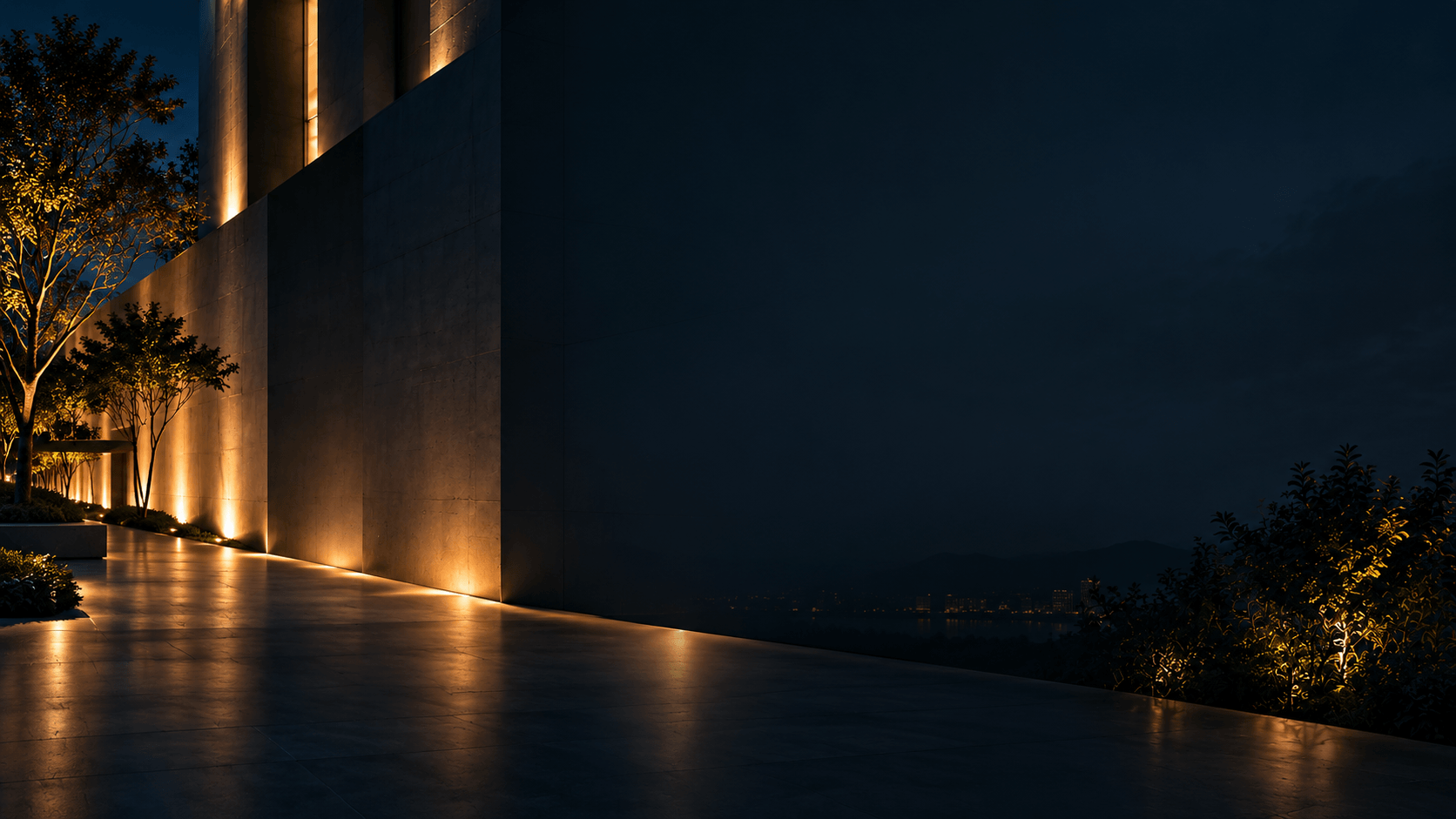
Linear wall washers for building facades and outdoor wall lighting. Compare housing widths, mounting heights and model-specific optics for wall washing, grazing or architectural accents.
Architectural Wall Washing
Linear architectural wall washers in four housing groups. Select the actual model for its power, beam, light-colour and protection options.
Products in HL Series
4 product groupsModelsHL-XQ-2418 · HL-XQ-2430
12–15 WListed power options
24 mm-wide single-row housings with two body heights.
View Product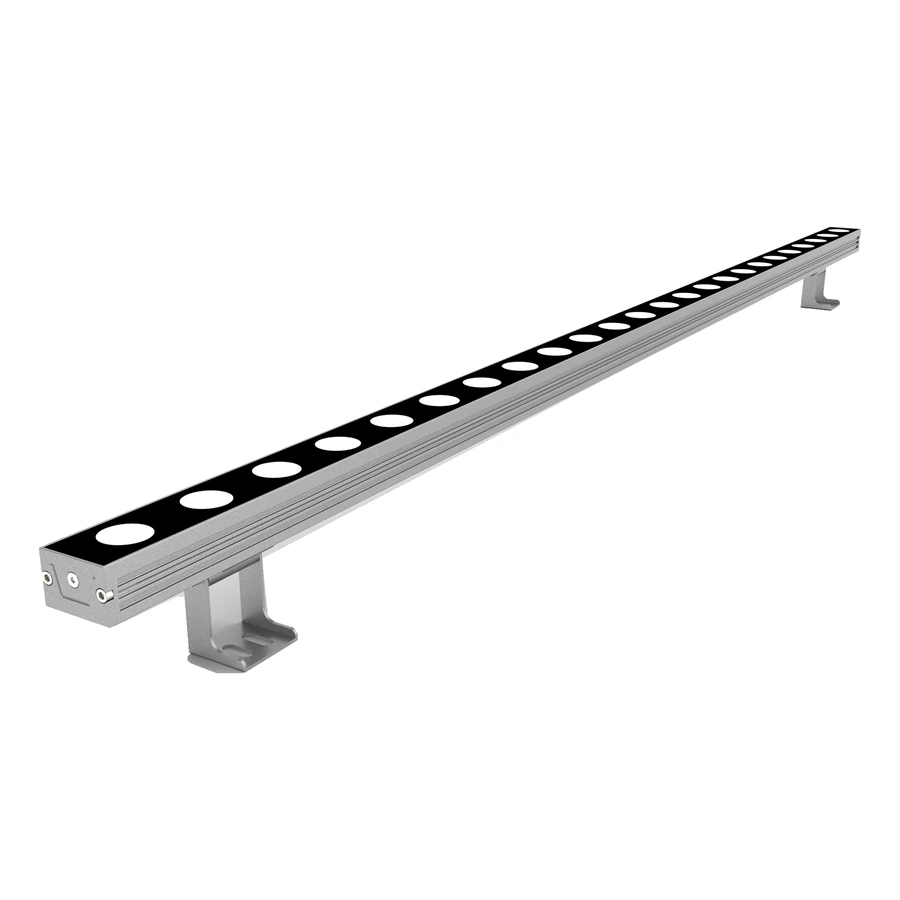
ModelsHL-XQ-3223 · HL-XQ-3524 · HL-XQ-3624
18–48 WListed power options
Single-row housings in 32, 35 and 36 mm widths.
View Product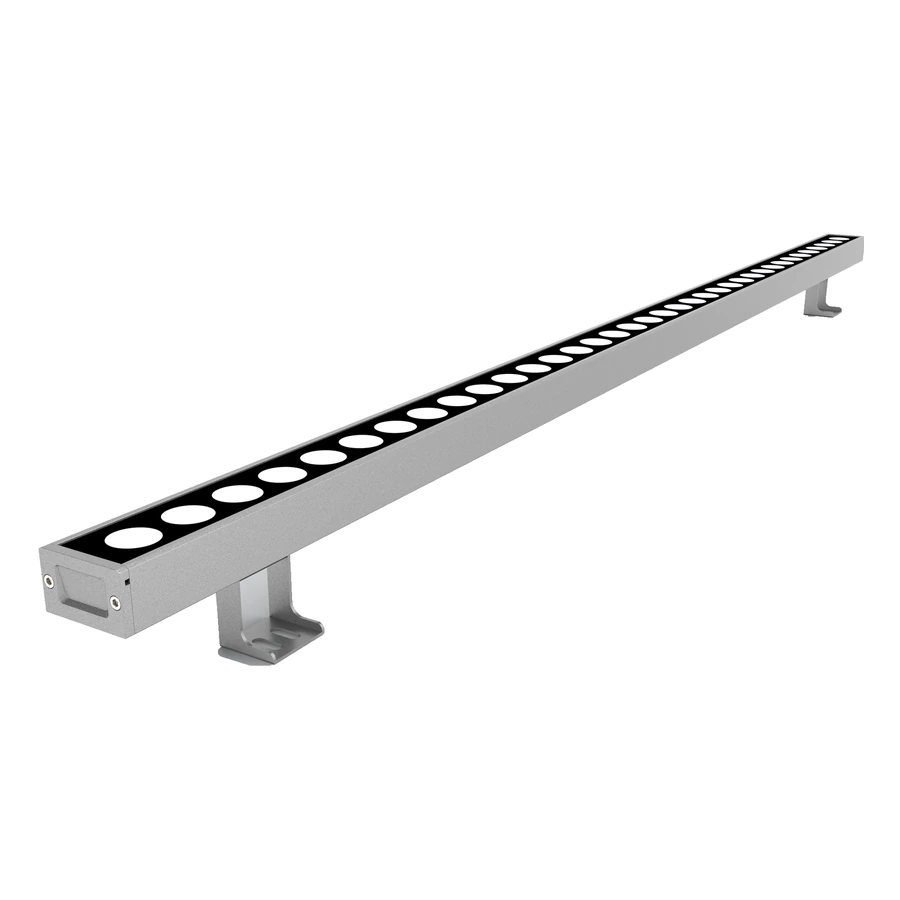
ModelsHL-XQ-4025 · HL-XQ-3630-A
24–72 WListed power options
Single-row 40 × 25 mm and 36 × 30 mm body profiles.
View Product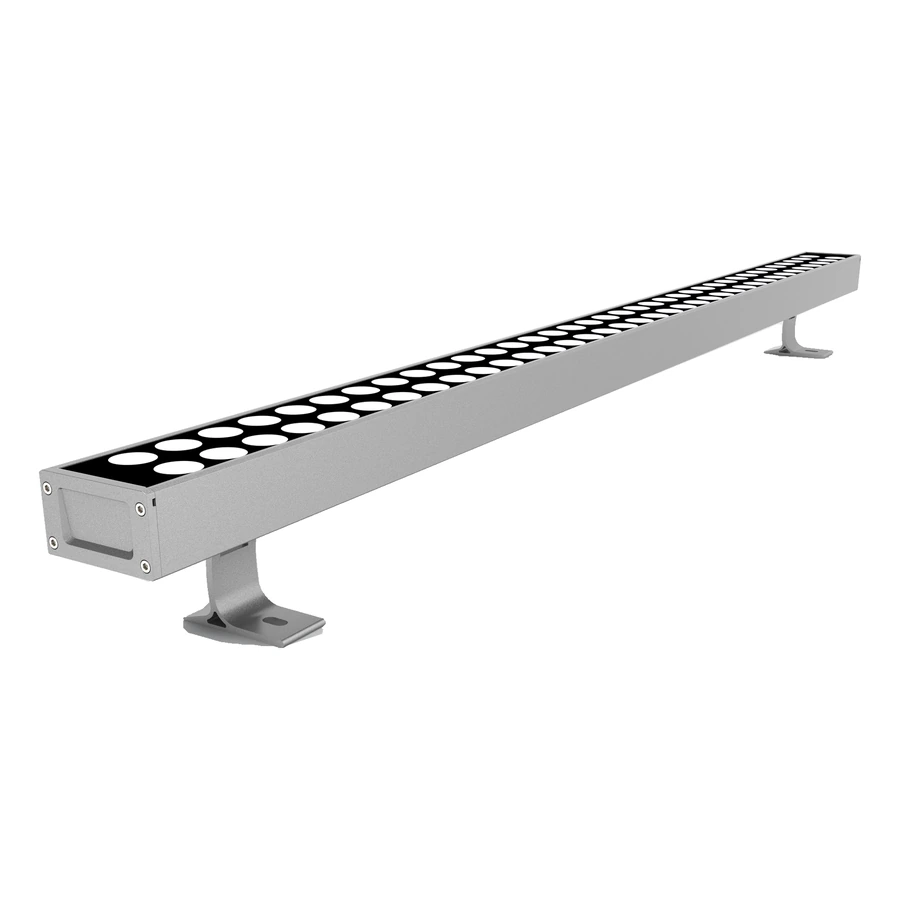
ModelsHL-XQ-6036 · HL-XQ-6235
48–96 WListed power options
Dual-row optics in 60 and 62 mm-wide housings.
View ProductArchitectural Wall Washing
Thirty-three LM models across ten profile and face-layout groups. Compare narrow housings, independent lenses, multi-row layouts and continuous glass faces using model-specific data.
Products in LM Series
10 product groups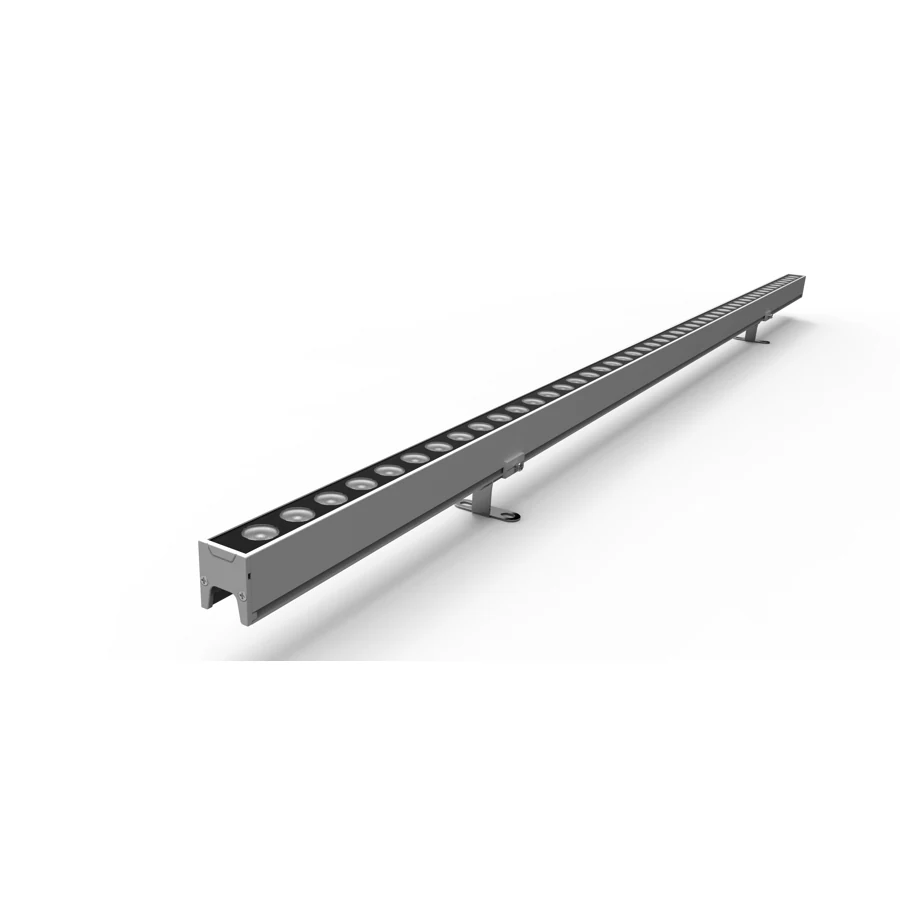
ModelsLM-2327 · LM-2327D · LM-2817 · LM-2817D · LM-2533
12 / 15 / 18 / 24 WListed power options
Narrow profiles with single-row lens layouts.
View Product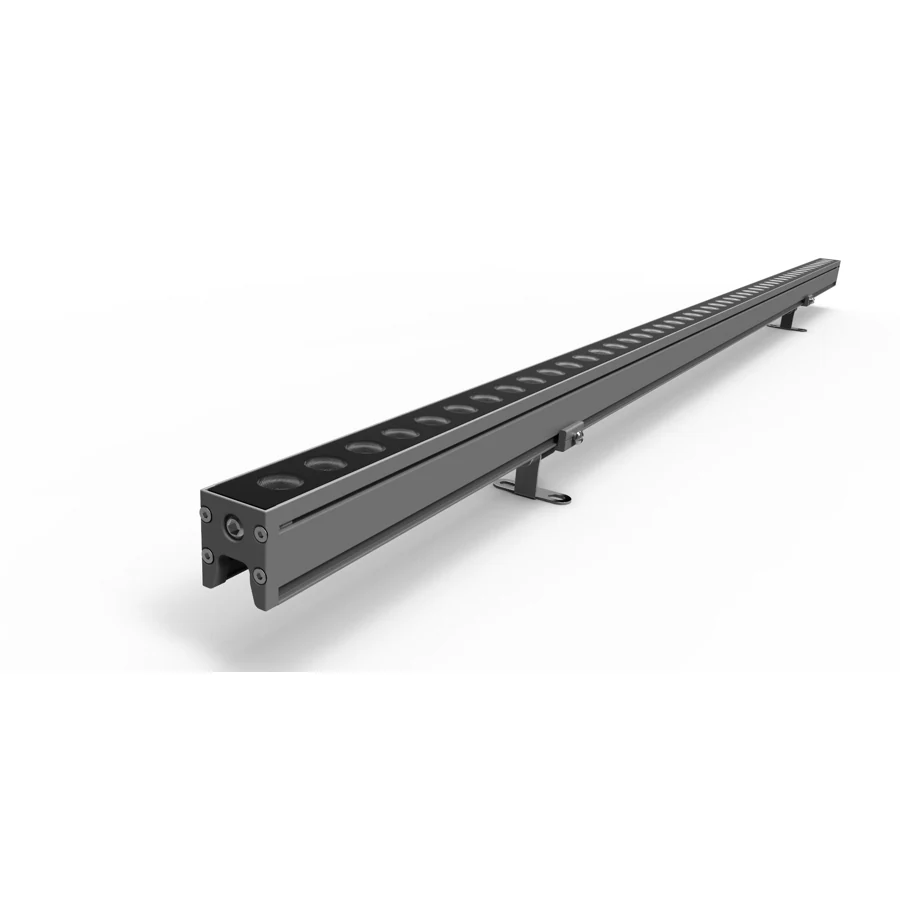
ModelsLM-2430 · LM-2430D · LM-3232 · LM-3232D
15 / 18 / 24 / 36 / 48 / 72 WListed power options
Compact independent-lens housings in two profile widths.
View Product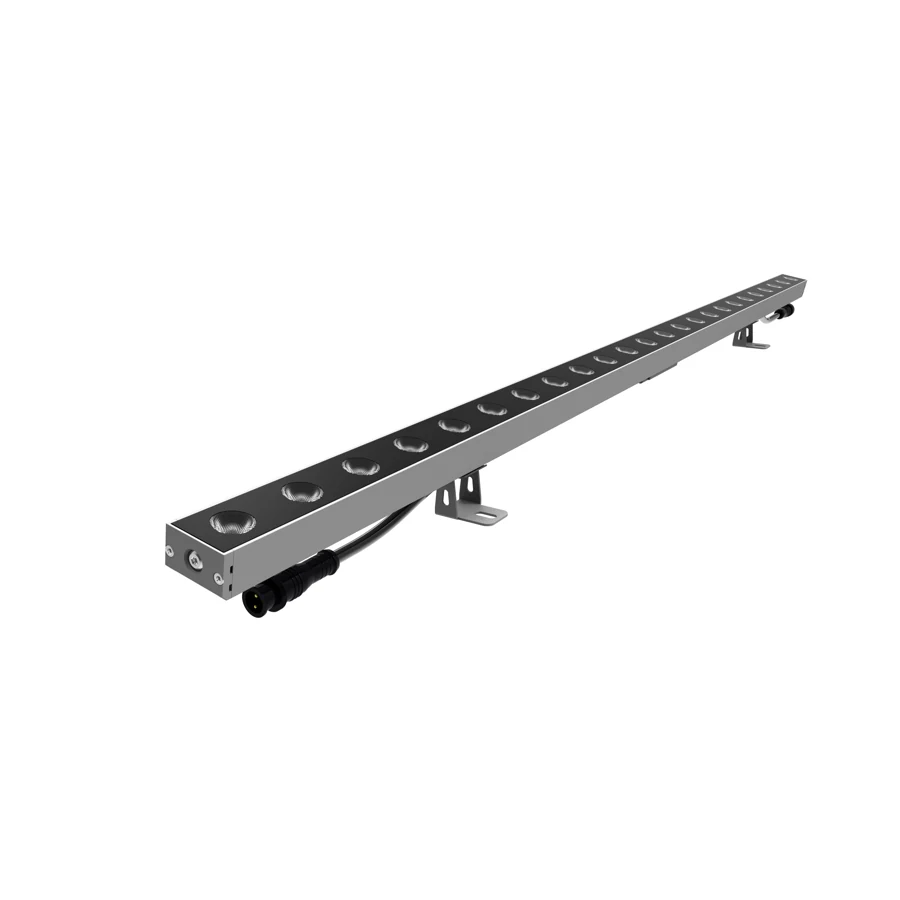
ModelsLM-3322 · LM-3322D · LM-3524 · LM-3524D · LM-3532 · LM-3532D
18 / 24 / 36 / 48 WListed power options
Six mid-profile models with distinct side structures.
View Product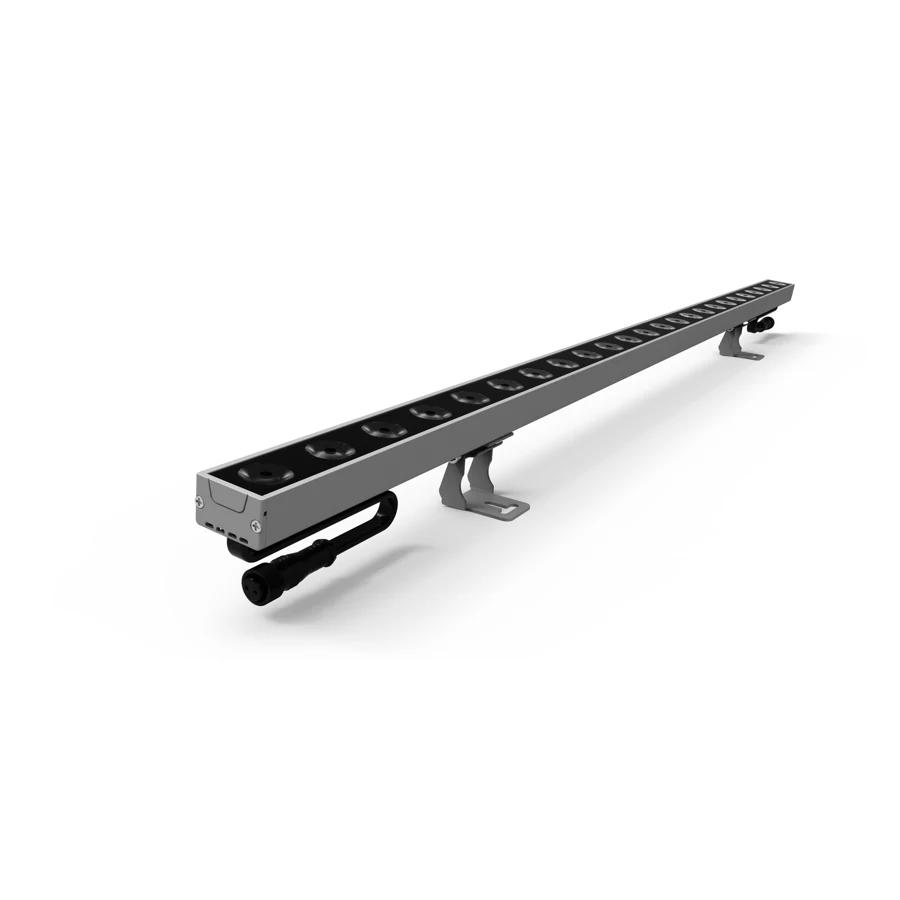
ModelsLM-3623 · LM-3623D · LM-3624 · LM-3624D
18 / 24 / 36 / 48 / 72 WListed power options
36 mm-width profiles with model-specific aperture layouts.
View Product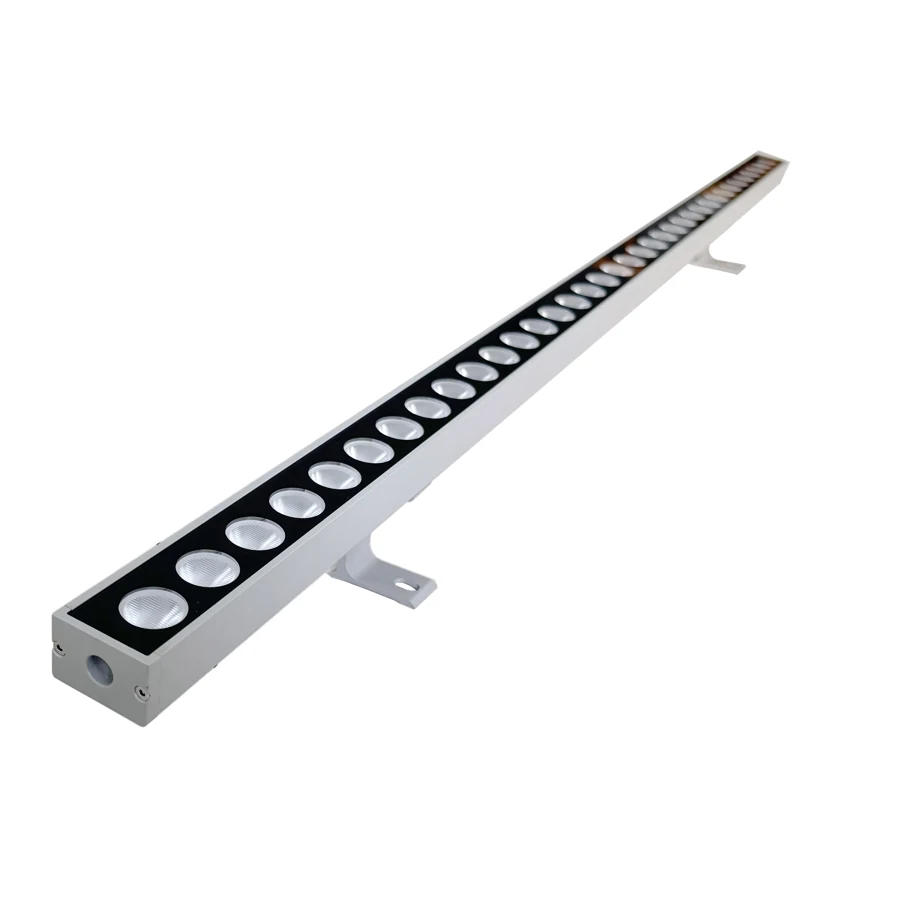
ModelsLM-3624X · LM-3624XD
18 / 24 / 36 / 48 / 72 WListed power options
A separate 3624X lens-array format and its XD profile.
View Product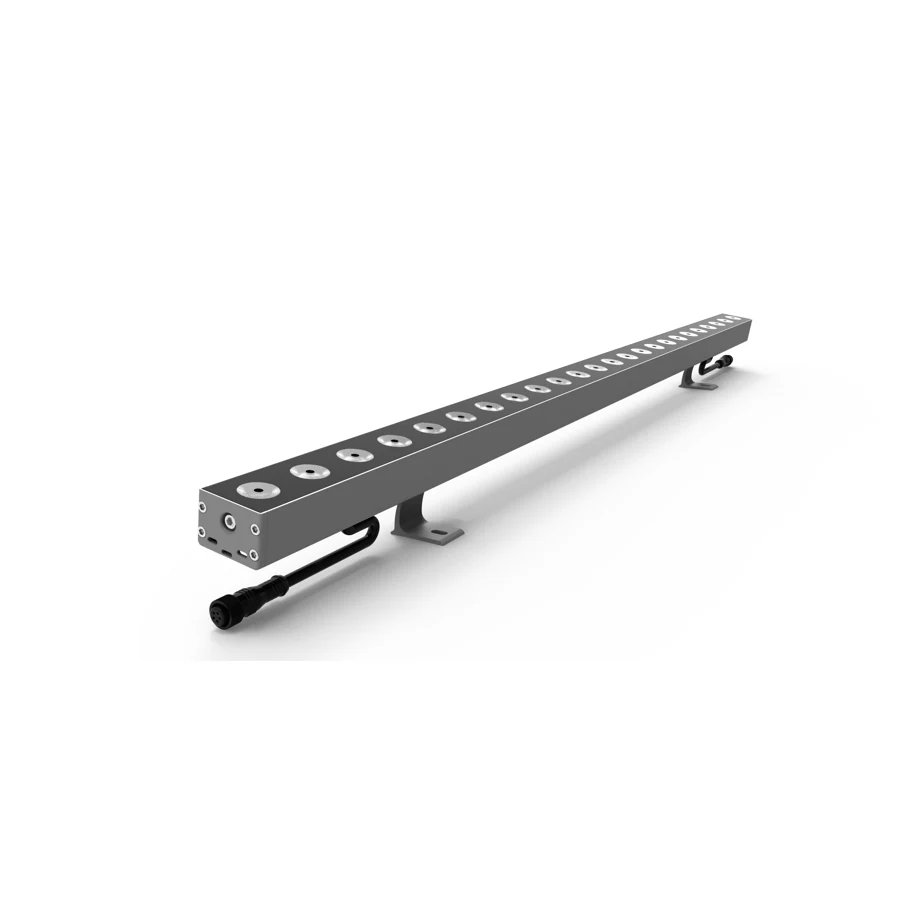
ModelsLM-4533 · LM-4533D · LM-5433 · LM-5433D
48 / 60 / 72 WListed power options
45 and 54 mm-width housings with independent-lens faces.
View Product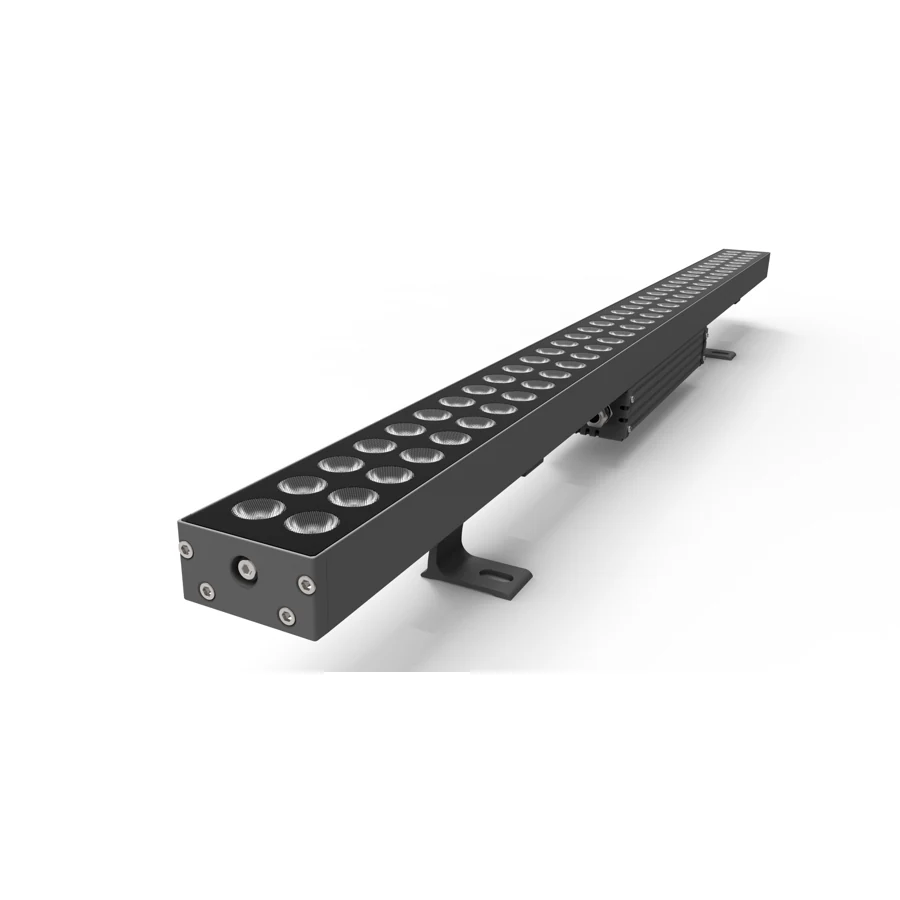
ModelsLM-6032 · LM-6032D
LM-6032: 48 / 72 / 96 / 108 W; LM-6032D: 48W-72W/96WListed power options
60 mm-width multi-row lens layouts and separate D structure.
View Product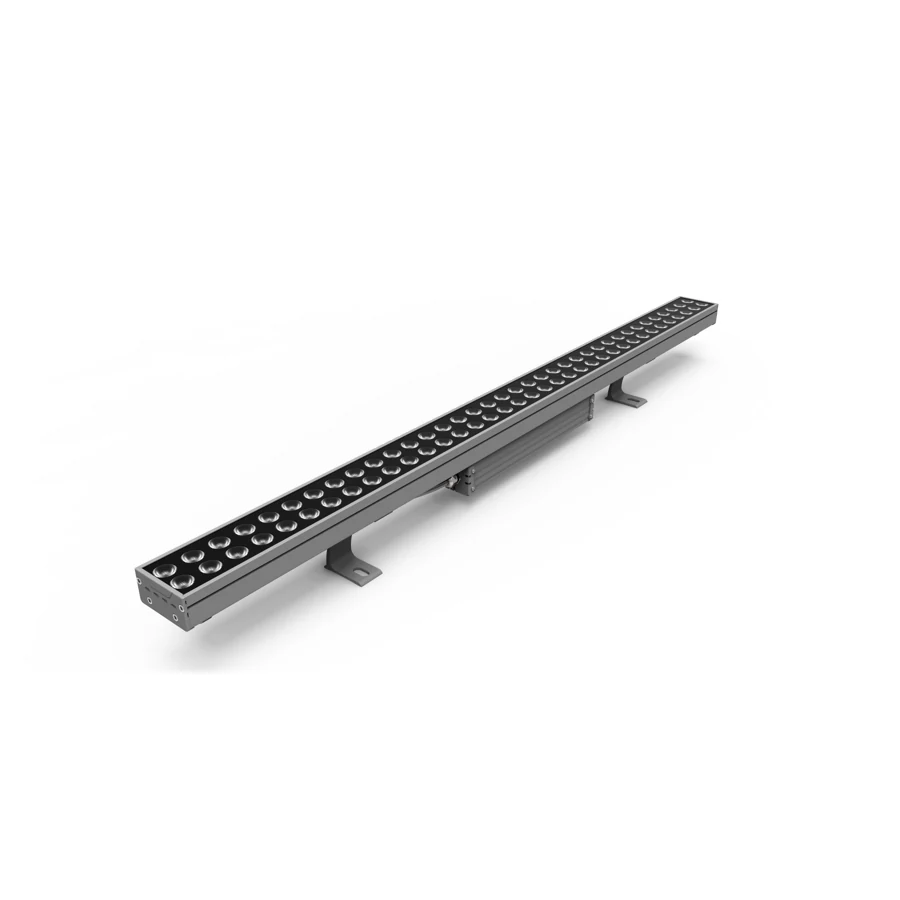
ModelsLM-6632 · LM-6632D · LM-6642 · LM-6642D
48 / 72 / 96 / 108 / 120 / 144 / 216 WListed power options
66 mm-width multi-row formats with different electrical ratings.
View Product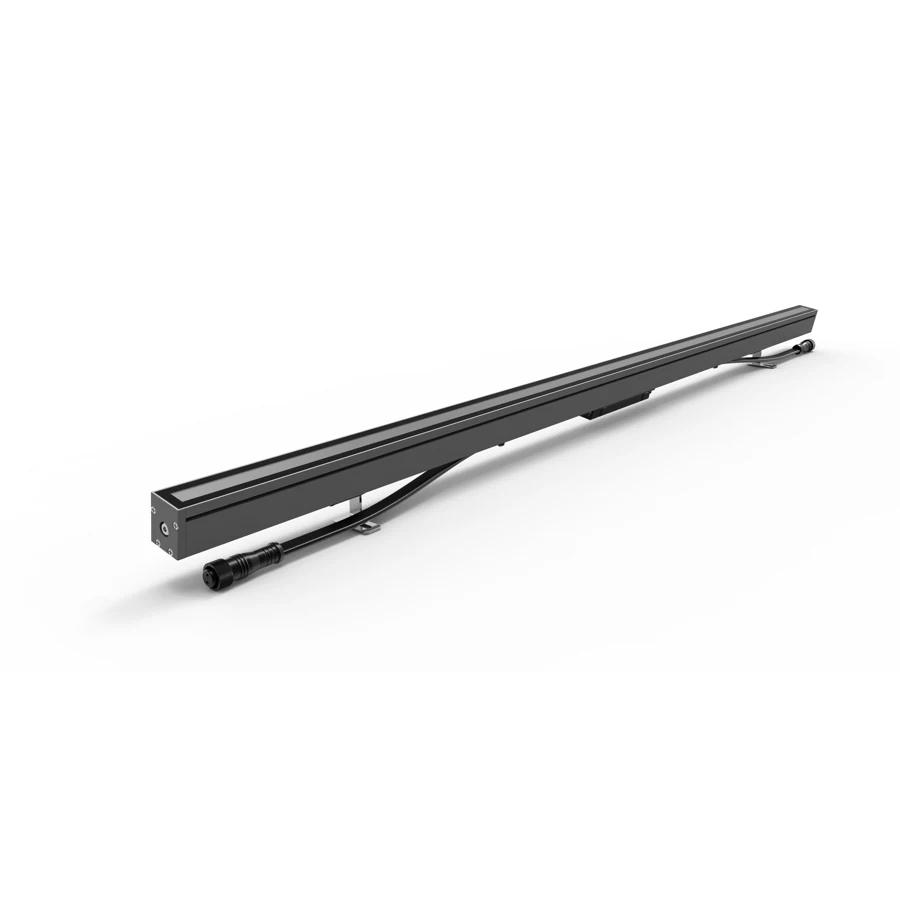
ModelsLM-2632
18 W–72 W (listed capability; order steps unconfirmed)Listed power options
A narrow housing with a continuous glass-face appearance.
View Product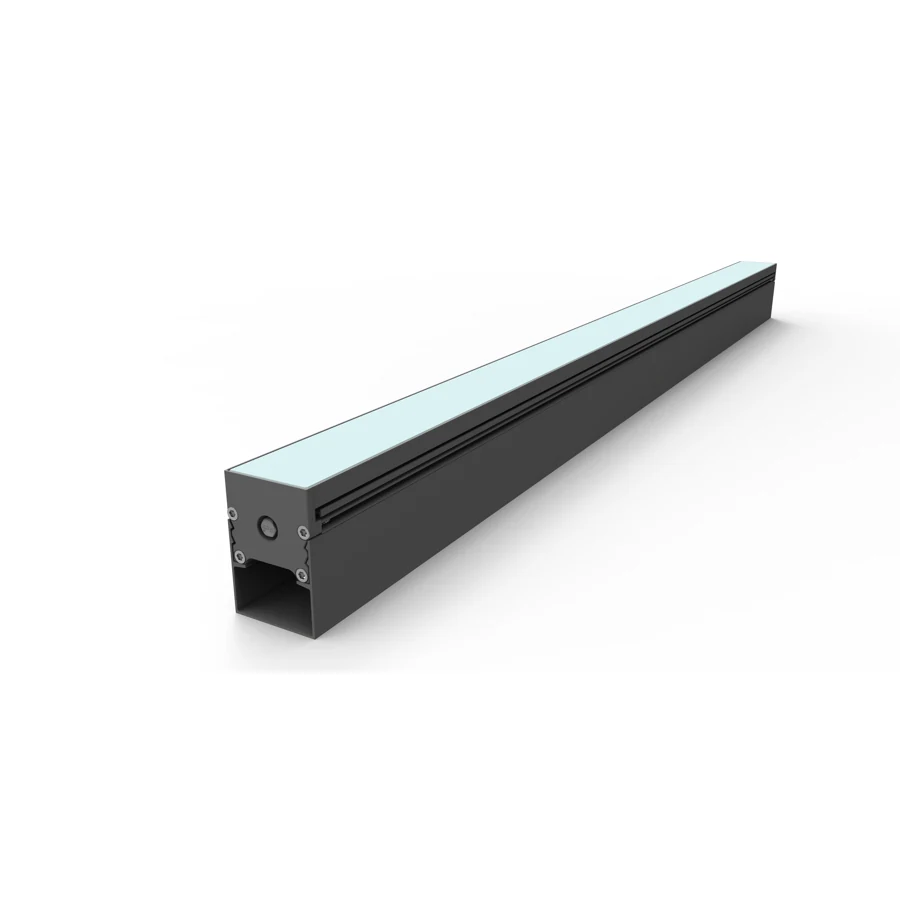
ModelsLM-5080
18 W–72 W (listed capability; order steps unconfirmed)Listed power options
A deeper 50 × 80 mm housing with a continuous glass face.
View ProductProduct Categories
Browse CRANE’s core architectural lighting categories for facade, exterior and landscape lighting applications.
Linear wall washing for facades, exterior walls and architectural surfaces.
Powerful exterior illumination for facades, structures and landscape projects.
Explore Category →Continuous linear lighting for architectural outlines, facade details and exterior structures.
Explore Category →Dynamic point-source lighting for media facades, outlines and architectural effects.
Explore Category →Flexible linear lighting for coves, outlines and outdoor architectural details.
Explore Category →Recessed exterior lighting for facades, pathways, landscapes and architectural accents.
Explore Category →APPLICATIONS
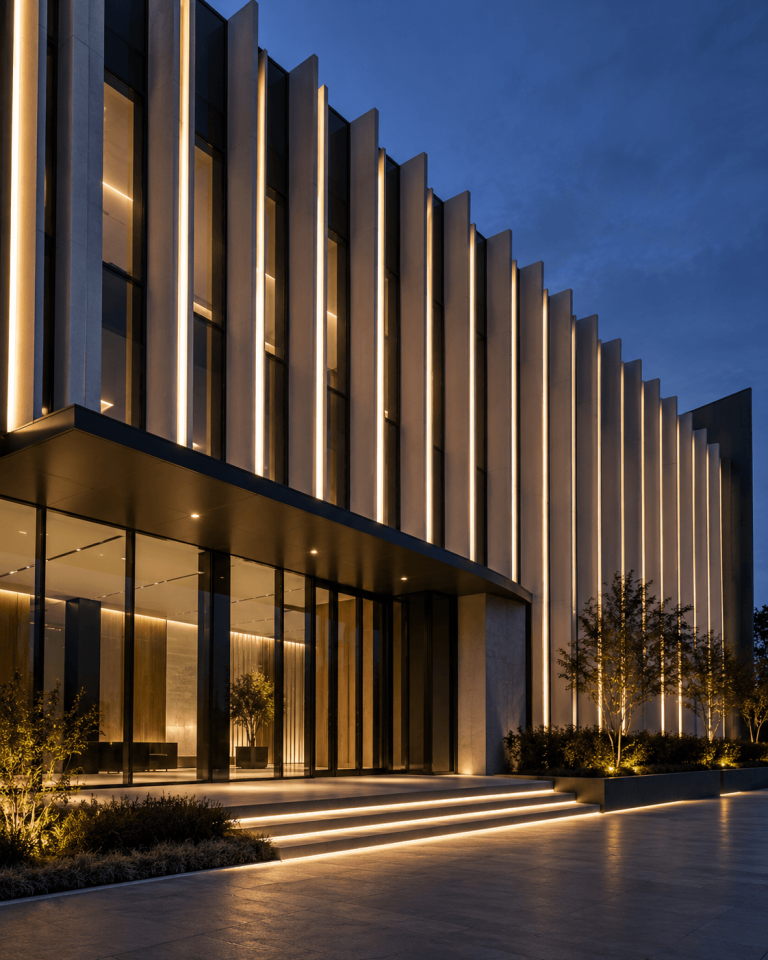
Illuminate broad vertical surfaces, facade rhythm and architectural details with controlled wall washing and accent lighting.
Explore Solution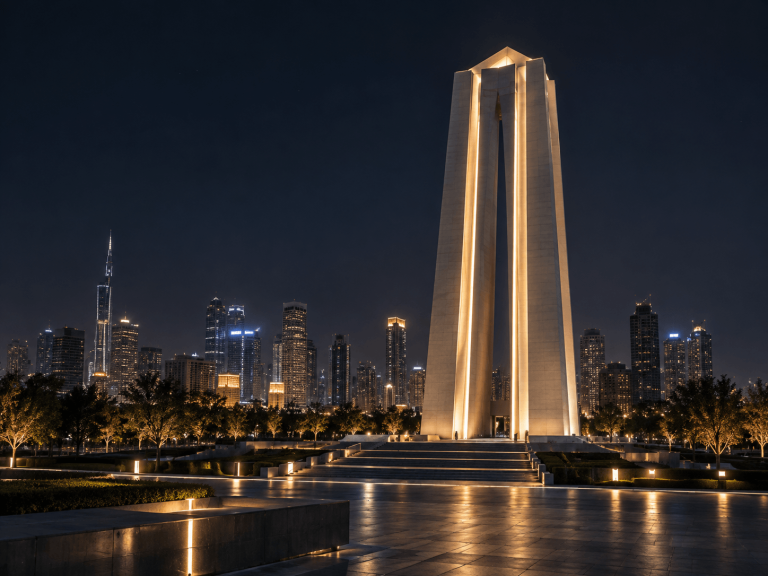
Reveal prominent structures, materials and architectural identity through focused exterior illumination.
Explore Solution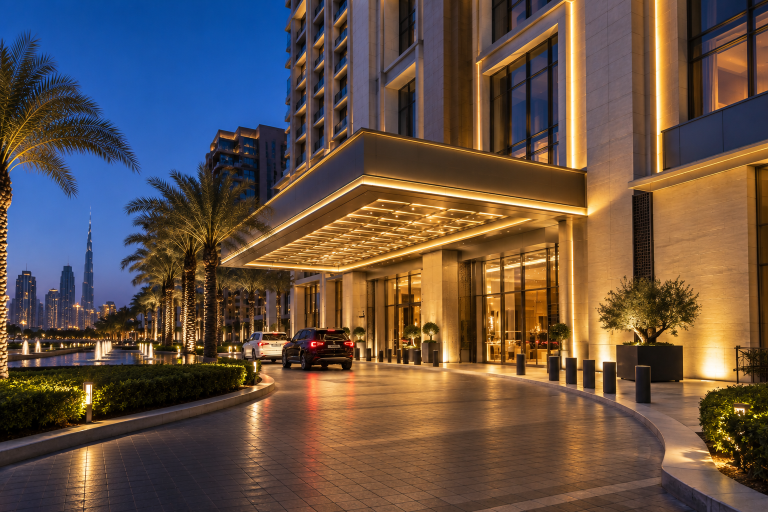
Support facade, entrance and exterior architectural lighting for hospitality environments and outdoor guest areas.
Explore SolutionLIGHTING EFFECTS
Create a more uniform layer of light across architectural surfaces and broad facade areas.
Position light closer to textured surfaces to emphasize depth, material and architectural detail.
Use focused vertical illumination to define facade rhythm, columns and architectural features.
SELECTION GUIDE
The required light distribution depends on mounting distance, facade height and the desired balance between uniformity and emphasis.
Fixture-to-surface distance affects beam overlap, illumination uniformity and the intensity of the final lighting effect.
Smooth, textured, reflective and dark surfaces respond differently to architectural lighting and should be considered during product selection.
White-light or color-changing configurations should be selected according to the architecture, material and intended visual atmosphere.
Static or dynamic control requirements influence luminaire configuration, driver selection, wiring and system planning.
Exposure, installation conditions, temperature, maintenance access and environmental factors should be considered during outdoor product selection.
ENGINEERING SUPPORT
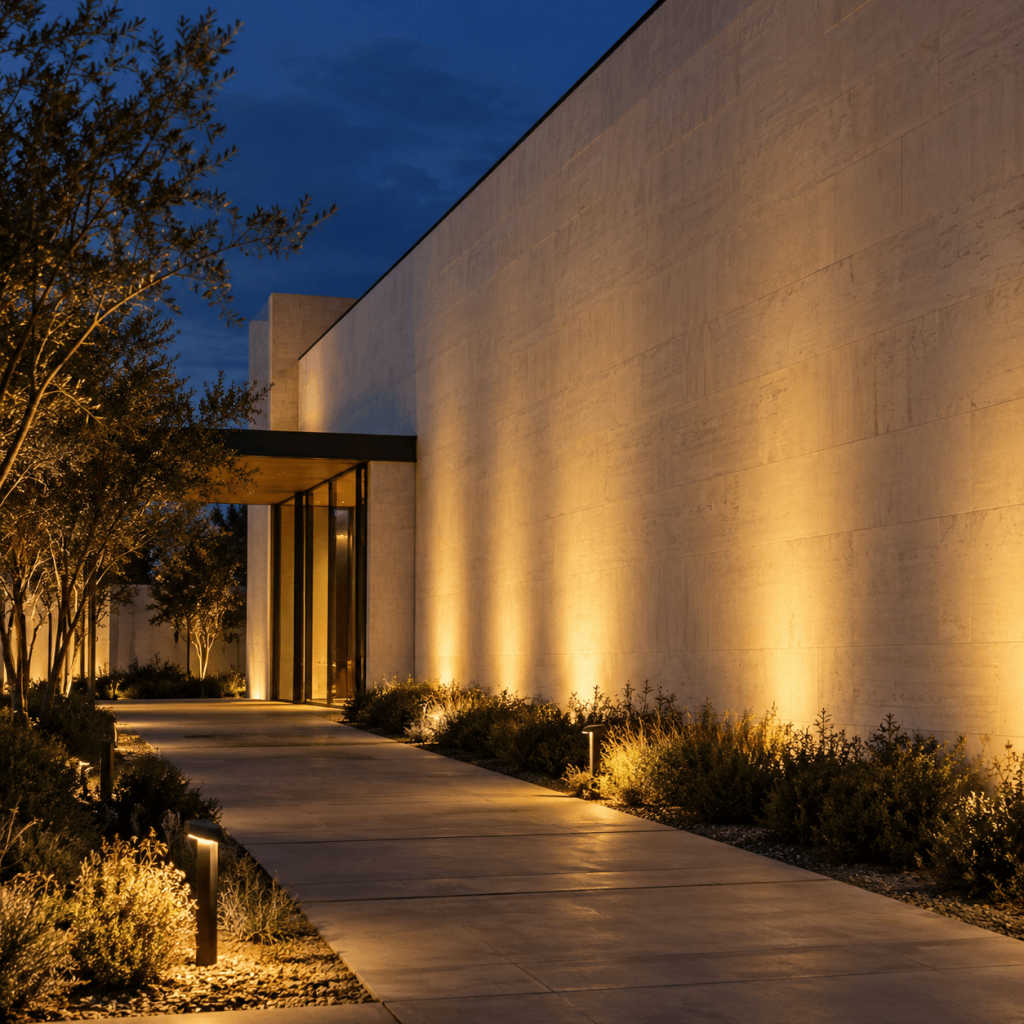
Wall washer selection depends on architecture, installation position, optical requirements and the desired visual result. Project drawings, dimensions and lighting requirements can be reviewed before the final luminaire configuration is confirmed.
FAQ
The appropriate fixture-to-surface distance depends on facade height, beam distribution, surface texture and the intended lighting effect. A closer installation can emphasize texture and grazing, while greater distance may support broader surface coverage. Project dimensions and fixture optics should be reviewed together rather than applying one fixed distance to every facade.
Wall washing aims to distribute light more evenly across a vertical surface, while wall grazing places the luminaire closer to the wall so the light travels across the surface at a sharper angle. Grazing can emphasize texture, depth and material, while washing is generally used when broader and more uniform facade illumination is required.
Beam angle should be selected together with mounting distance, facade height and target width. Narrower distributions create more concentrated illumination, while wider distributions cover a broader area. The final choice should also consider beam overlap and the desired balance between uniformity and architectural emphasis.
Wall washers are generally selected for controlled illumination across vertical surfaces, while flood lights are often used for broader or more distant architectural targets. The appropriate choice depends on fixture position, projection distance, target dimensions and whether the project requires surface washing, grazing or broader flood illumination.
Useful information includes facade drawings or elevations, target dimensions, fixture mounting position, fixture-to-surface distance, desired lighting effect, color requirements and control expectations. These details help evaluate beam distribution, spacing and product configuration before final specification.
START A PROJECT
Share your facade drawings, installation details or lighting intent to begin a focused discussion about suitable LED wall washer products and project requirements.