Start a Project

Request a Quote.

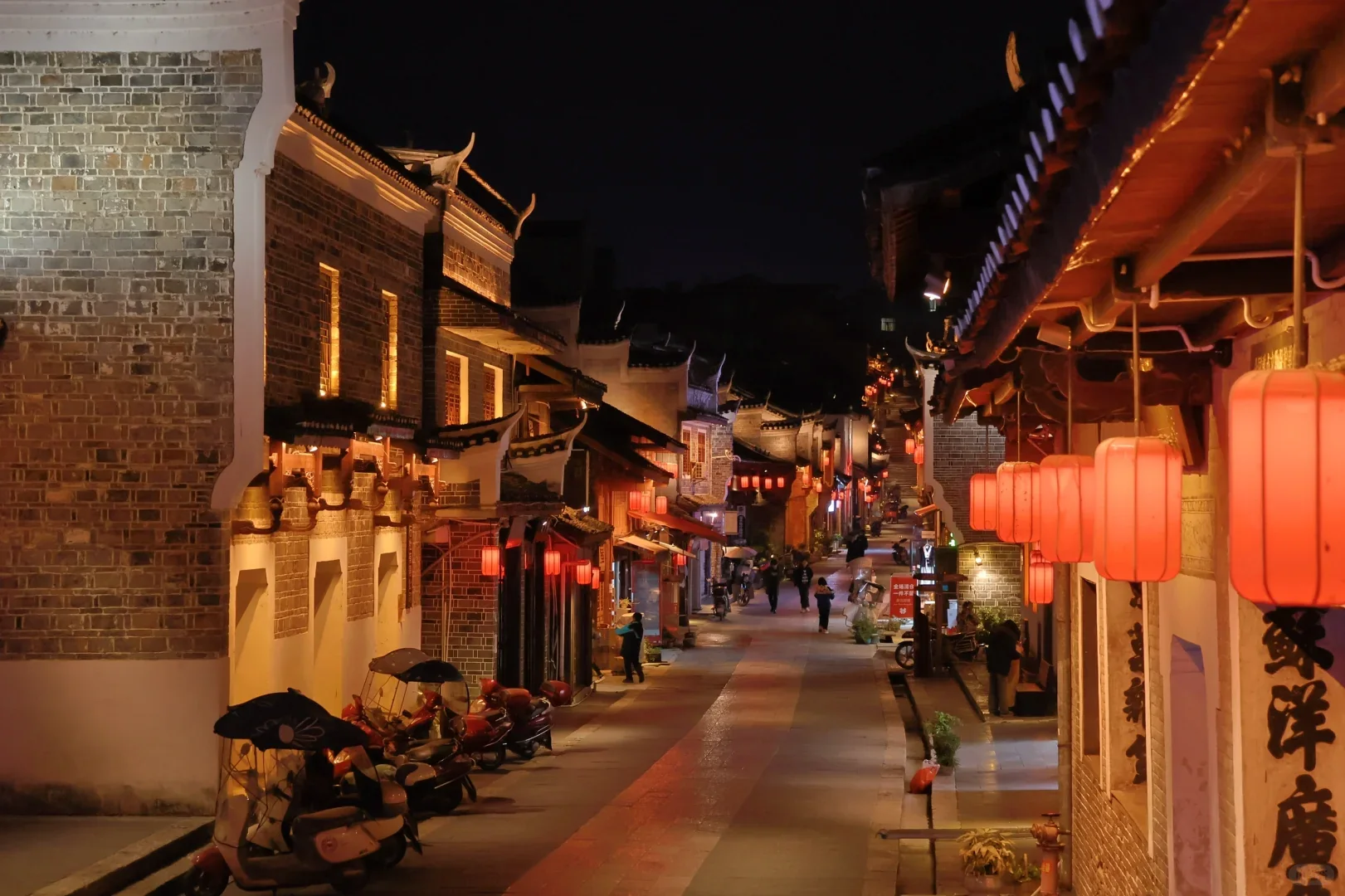
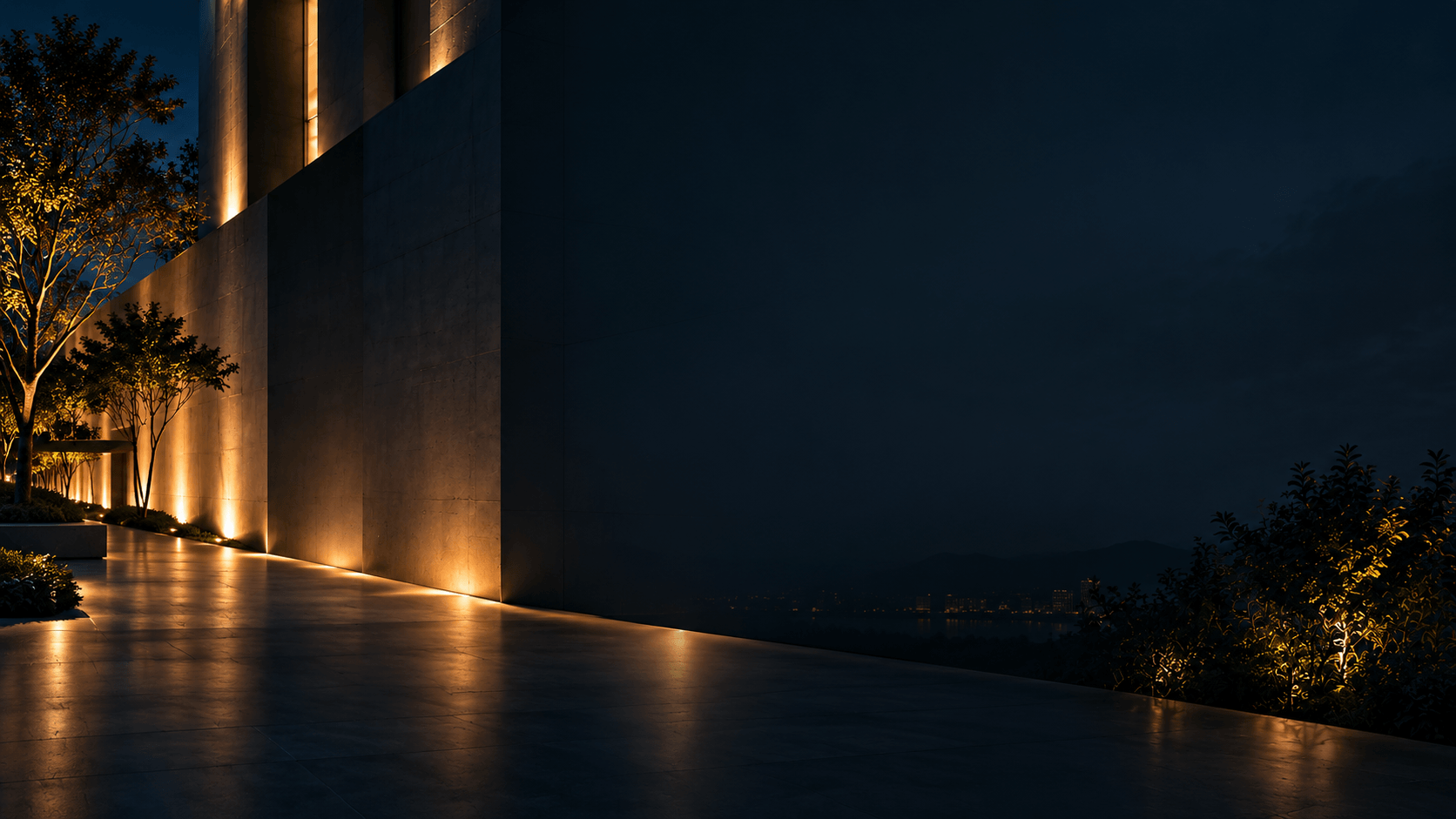
Haidong Pinganyi Town — warm eave lighting along a pedestrian commercial street.

Commercial & Architectural Landscape Lighting

Architectural Landscape Lighting Solutions

Create a clear nighttime hierarchy across focal features, architectural details and visitor routes. CRANE supports LED fixture selection for commercial outdoor spaces, with project references from themed attractions and pedestrian streets. Compare lighting approaches, mounting conditions and product options for your site.

Haidong Pinganyi Town — warm eave lighting along a pedestrian commercial street.

Solution Scope

Landscape Lighting for Themed Attractions and Pedestrian Spaces

Commercial outdoor spaces combine several lighting tasks: highlighting a sculpture, defining an entrance, revealing a wall or connecting architectural details along a pedestrian street. Start with the features visitors should notice, then consider how those accents sit alongside the site’s circulation lighting and surrounding brightness.

  • Themed Attractions
  • Commercial Outdoor Spaces
  • Pedestrian Streets
  • Gateways & Public Realm
  • Landscape Architecture

This guidance is intended for landscape architects, lighting designers, contractors and project teams selecting architectural accent lighting for commercial outdoor spaces.

Plan by Landscape Layer

Plan Landscape Lighting Around Features, Routes and Backgrounds

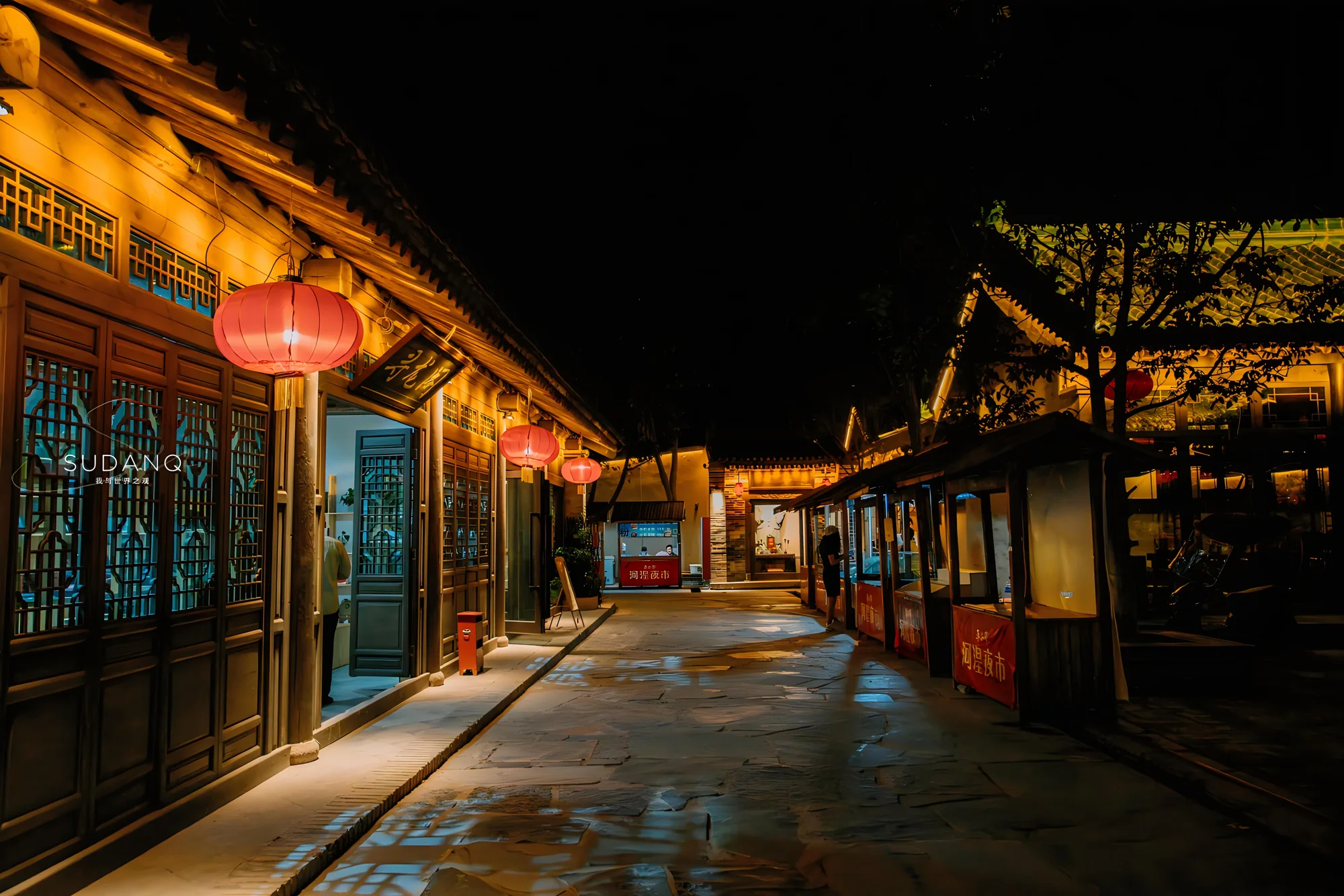
At pedestrian scale, entrances, eaves, walls and decorative sources are seen together. The Liping Qiaojie photograph illustrates how several layers contribute to one street scene. For a new project, identify the focal features and supporting background, then coordinate architectural accents with the lighting needed for pedestrian movement.

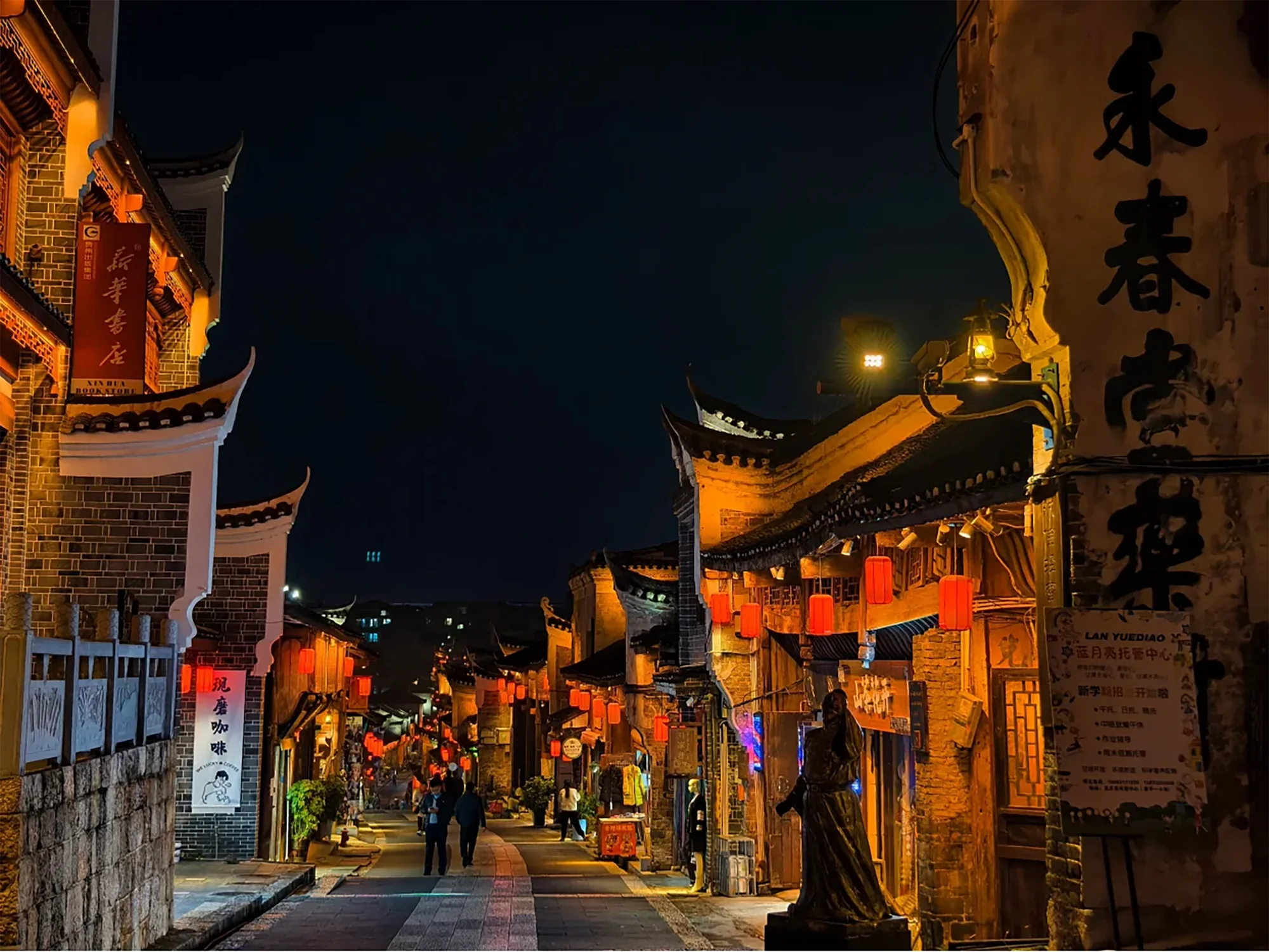
Liping Qiaojie — illuminated eaves, brick facades and lanterns along a pedestrian street.
  1. 01
    Arrival, Gateway & Orientation

    Identify the entrance, gateway or landmark feature visitors should recognize first. Compare focused accents with integrated linear lighting according to the target surface, mounting position and views from the approach.

  2. 02
    Trees, Planting & Vertical Natural Features

    Where planting is part of the brief, decide whether the trunk, canopy or overall form should be emphasized. Select the beam and mounting position around that target, allowing for growth, irrigation and future re-aiming.

  3. 03
    Paths, Steps & Grade Changes

    Review fixture visibility from walking routes, steps and seating areas. Keep decorative accents separate from the assessment of required pathway and step lighting; an illuminated feature does not establish adequate lighting for movement.

  4. 04
    Walls, Hardscape & Outdoor Architecture

    Decide whether the surface should appear evenly lit or whether its texture should stand out. Compare washing, grazing and concealed linear approaches against the wall height, surface relief, mounting setback and available installation space.

  5. 05
    Plazas, Art & Event Features

    Use sculptures, installations and selected architectural elements as focal points. Consider static white or color lighting according to the brief, and confirm compatible fixtures and controls before planning changing scenes.

Vertical Form

Uplighting & Accent

For trees, sculptures, columns and other vertical features where form and depth matter more than broad ambient brightness.

Texture

Grazing & Washing

For stone, retaining walls and textured hardscape where light angle can reveal or soften surface relief.

Integration

Concealed Linear Light

For edges, benches, steps and architectural landscape details where the source should remain visually discreet.

Identity

Selective Dynamic Color

For event zones, public art and selected focal features when the project calls for programmable RGB / RGBW scenes.

Landscape Lighting Design Priorities

Key Design Checks for Commercial Landscape Lighting

Balance focal brightness with the surrounding scene. Before selecting fixtures, review glare, surface appearance, planting growth, outdoor exposure and maintenance access from the positions where people will experience the space.

01 / HIERARCHY

Light what matters, leave room for shadow

Identify focal trees, walls, gateways and gathering areas first. Selective emphasis creates depth; uniform brightness usually flattens the landscape.

02 / COMFORT

Glare, source visibility & spill

Control aiming and fixture visibility from paths, seating areas, guestrooms, roads and nearby properties. The effect should be visible before the hardware is.

03 / PLANTING

Growth, seasonality & re-aiming

Trees and planting change over time. Fixture position, beam direction and maintenance access should allow the lighting to be adjusted as vegetation grows.

04 / MATERIAL

Surface, foliage & light color

Stone, timber, planting, water-edge materials and architectural surfaces respond differently to white light and contrast. Verify the appearance on real materials where possible.

05 / SITE

Drainage, irrigation & outdoor exposure

Ground-level locations can be affected by irrigation, standing water, soil, impact and maintenance activity. Product and mounting details should match the real installation environment.

06 / PUBLIC REALM

Light spill, curfews & environmental constraints

Public or ecologically sensitive sites may require tighter spill control, operating schedules or other project-specific limits defined by local requirements and specialist teams.

How CRANE Supports the Project

Project-Based Fixture Selection and Technical Support

Share your site plan, elevations, photographs and intended lighting effects. CRANE can help compare fixture families, available optics, mounting options and control configurations, and identify the technical information needed to review the proposed selection.

  1. 01

    Review the site information

    Use landscape plans, planting plans, elevations, photos, dimensions, mounting zones and the main pedestrian or vehicle viewpoints.

    Project input
  2. 02

    Define zones & visual hierarchy

    Identify arrival, planting, paths, hardscape and focal features so each zone receives a clear lighting role.

    Lighting intent
  3. 03

    Narrow fixtures & optics

    Match trees, walls, hardscape and public features to suitable fixture families and optical directions based on distance, geometry and target effect.

    Fixture direction
  4. 04

    Review mounting, maintenance & control

    Coordinate aiming, concealment, irrigation or drainage exposure, access and any static white or RGB / RGBW control requirements.

    Project coordination
  5. 05

    Validate before confirmation

    Where photometric data is available, use project-specific calculations or an on-site mock-up to review coverage, glare, spill and the intended visual result.

    Technical check

Already have a landscape plan, planting plan or site photos?

Send Landscape Project Files →

Landscape Lighting Projects

Landscape Lighting References: Themed Attractions and Pedestrian Streets

These two projects illustrate different viewing conditions: a themed attraction with sculptural focal points and a pedestrian street with closely spaced architectural details. Use them to compare lighting priorities before selecting fixtures for your own site.

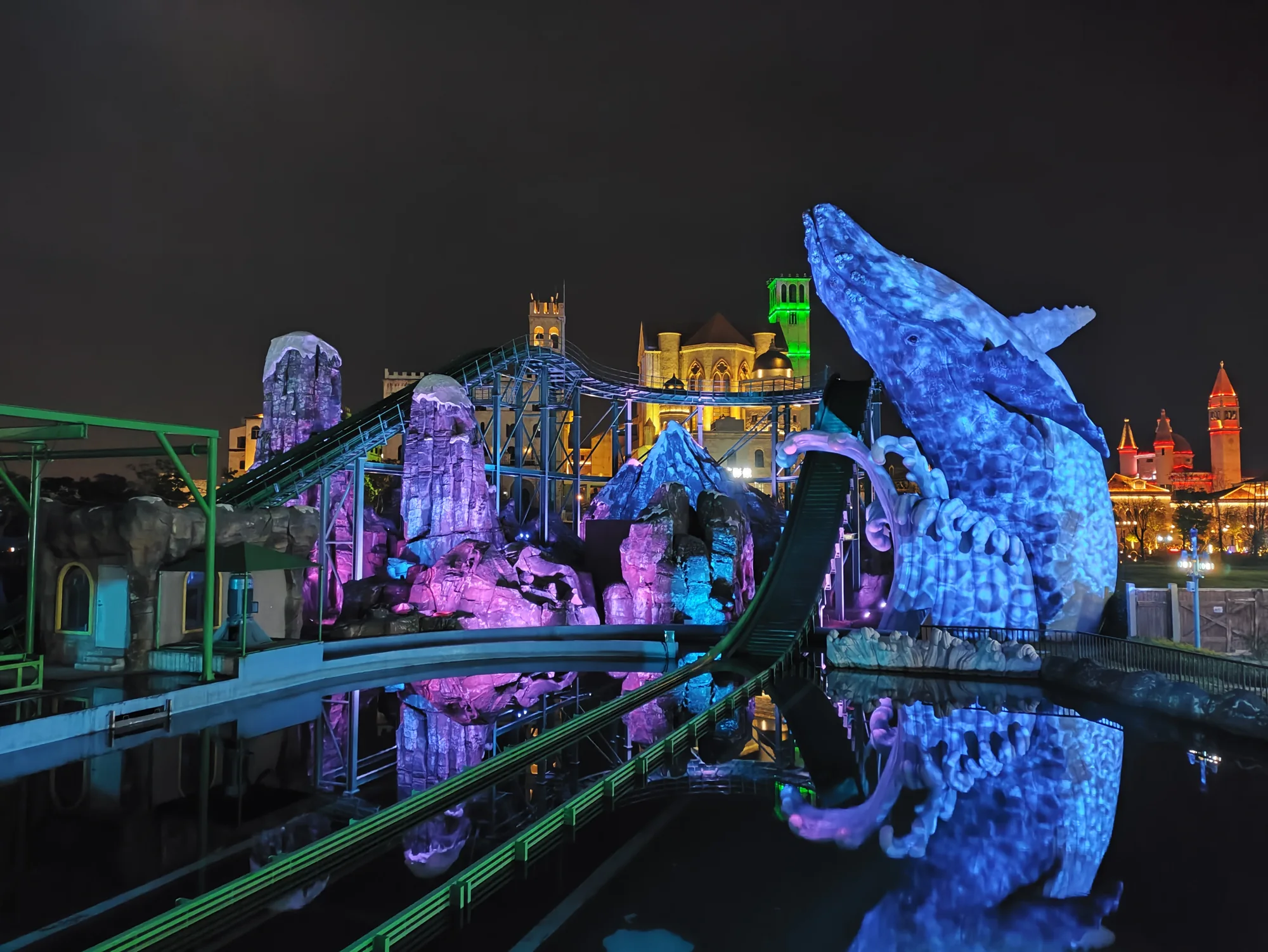
Colored accents on a shark sculpture and themed rockwork at Xiangjiang Happy Ocean.

Theme Park / Sculptural Features

Xiangjiang Happy Ocean: Accent Lighting for Themed Features

Blue and violet lighting emphasizes the shark sculpture and surrounding rockwork at Xiangjiang Happy Ocean. The scene provides a reference for creating focal points among ride structures, themed architecture and water reflections.

Location
Changsha, China
Application
Theme Park
Visible Features
Sculpture · Rockwork · Water Reflections
View Shown
Themed Attraction View
Design Checks
Beam Coverage · Aiming · Visitor Sightlines
Product Reference
Catalogue options for similar applications

Lighting Priority: Define which sculptural surfaces should stand out and which surrounding elements should remain secondary.

Fixture Selection: Compare adjustable floodlighting options against the feature’s size, mounting distance and required coverage.

Design Checks: Review aiming, spill and direct source visibility from visitor routes, including views toward reflective surfaces.

View Xiangjiang Happy Ocean Project →
Warm roof-edge and facade lighting along Liping Qiaojie.

Pedestrian Street / Eaves & Facades

Liping Qiaojie: Architectural Accents at Pedestrian Scale

Warm lighting along the eaves and facades sits alongside lanterns and shopfront lighting in Liping Qiaojie. The street illustrates how entrances, architectural details and decorative sources contribute to a shared pedestrian scene.

Location
Liping, Guizhou, China
Application
Pedestrian Commercial Street
Visible Features
Eaves · Brick Facades · Lanterns
View Shown
Pedestrian Street View
Design Checks
Source Visibility · Entrances · Brightness Balance
Product Reference
Catalogue options for similar applications

Lighting Priority: Identify the entrances and architectural details that should remain easy to distinguish within the surrounding street scene.

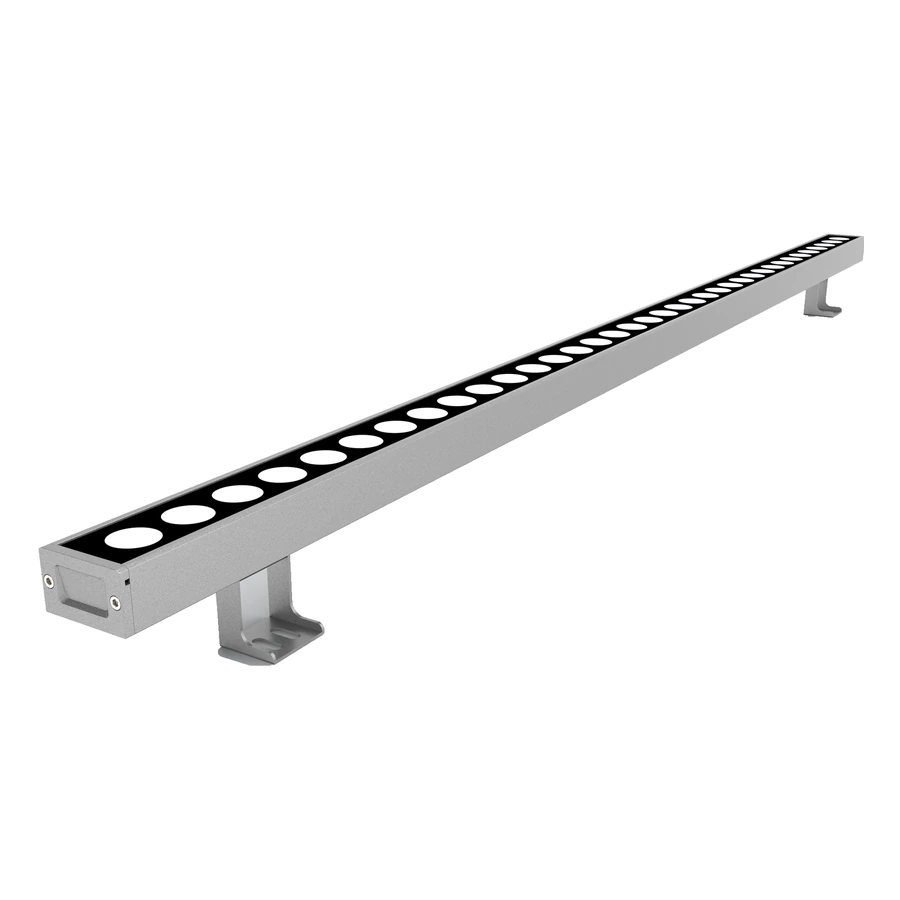
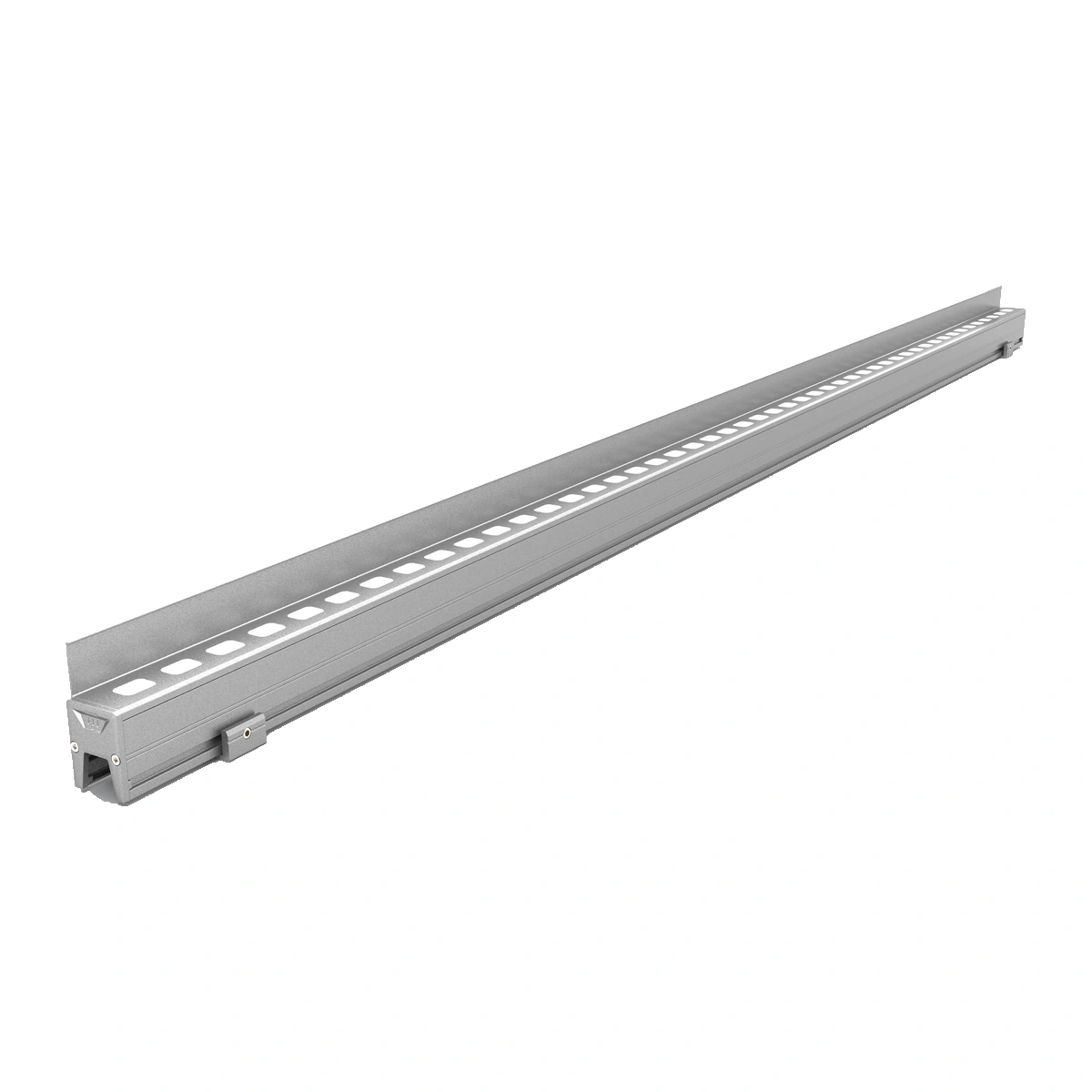
Fixture Selection: Compare concealed linear lighting for straight details with controlled accent lighting for selected surfaces, subject to the available fixing positions.

Design Checks: Review source visibility at walking distance, brightness around entrances and the interaction with shopfronts and decorative lighting.

View Liping Qiaojie Project →

FAQ

Common questions about commercial landscape lighting design.

Answers to the main search and project questions before landscape-lighting product selection begins.

What is commercial landscape lighting?
Commercial landscape lighting uses exterior light to support the appearance, orientation and night-time experience of hospitality grounds, commercial sites, parks, plazas and public landscapes. It typically coordinates natural features, hardscape, architecture, circulation and operating requirements rather than treating each fixture as a separate decorative object.
What is the best type of landscape lighting?
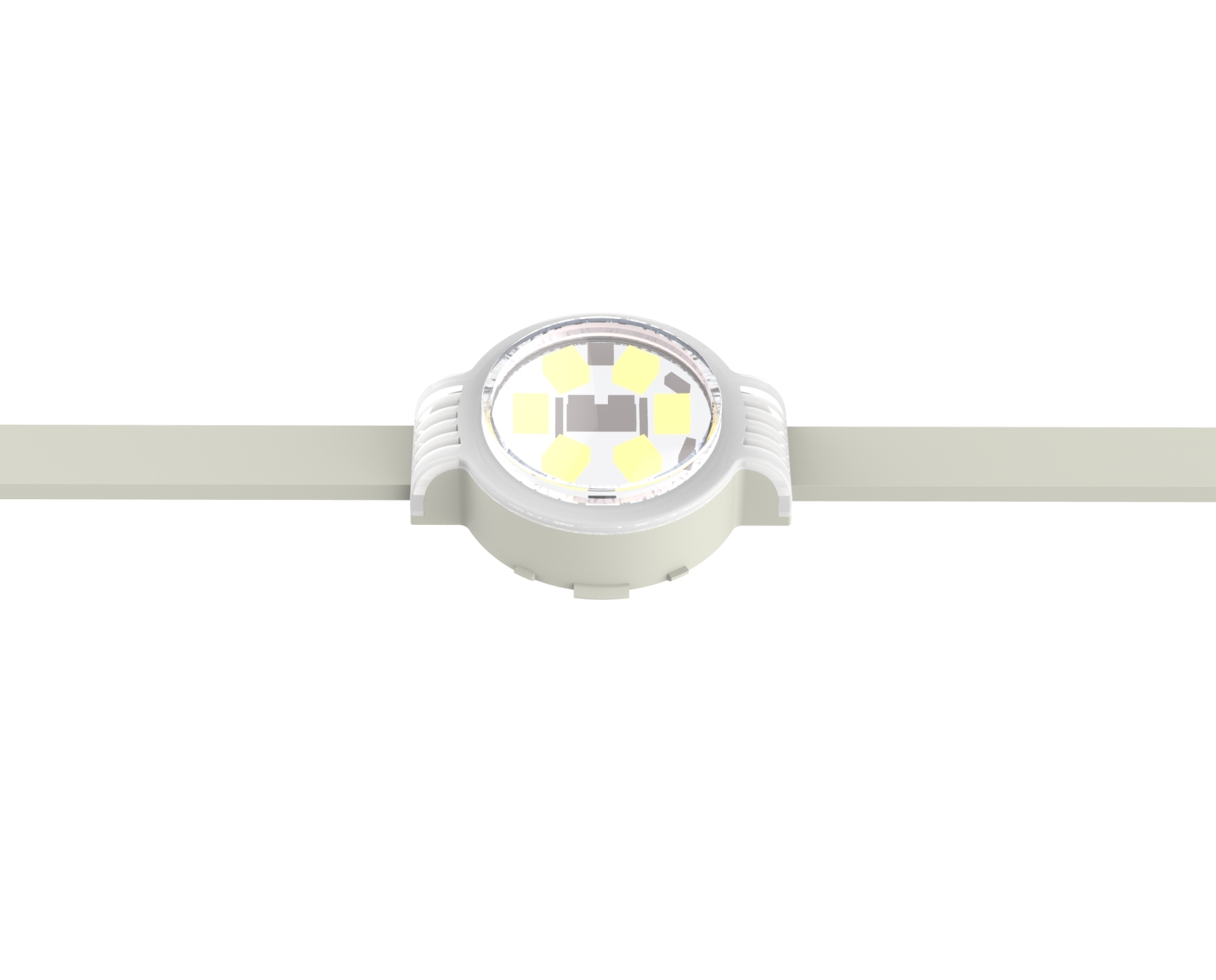
There is no single best fixture type. The right choice depends on the task: ground-level or flood lighting for trees and vertical features, wall washing or grazing for hardscape, linear lighting for integrated edges and architectural details, and pixel or point lighting for selected dynamic features. The project should define the visual role before selecting the product.
How should a commercial landscape lighting plan be organized?
Start with the site hierarchy: arrival and orientation, planting and trees, circulation, hardscape and focal or event features. Then define the visual effect, mounting conditions, glare control, maintenance access and any control requirements for each zone.
How should trees and planting be illuminated?
The target may be the trunk, canopy, overall silhouette or a layered planting composition. Beam angle, aiming distance and fixture position should match the size and form of the planting. Because vegetation grows and changes seasonally, future re-aiming and maintenance access should be considered from the start.
How can landscape lighting avoid glare and light pollution?
Use controlled optics, careful aiming, shielding where available, concealed source positions and appropriate brightness so light reaches the intended feature instead of nearby windows, roads, seating areas or the sky. Public or environmentally sensitive projects may also require operating schedules or other project-specific limits.
Is low-voltage landscape lighting always the right choice?
No. Low-voltage systems are common in residential landscape lighting, but larger commercial and architectural projects may use different power and control architectures depending on fixture type, distance, project standards and local electrical requirements. Final electrical design should be confirmed by the project’s qualified electrical team.
Can RGBW and DMX512 be used for landscape lighting?
Yes, where the selected CRANE products support RGB / RGBW and DMX512 and the project requires programmable public-realm, event or feature lighting. Everyday scenes can remain restrained while selected elements change for programmed occasions.
What information should I send for a landscape lighting recommendation?
Landscape plans, planting plans, site photos, elevations, dimensions, mounting locations, key viewpoints, target lighting effects and known white-light, RGB / RGBW or control requirements are useful starting points. These files can be uploaded with the inquiry.

Start your lighting project with CRANE.

Tell us about your project requirements. If you already have drawings, facade photos, PDFs or other project files, you can upload them together with your inquiry.

Request a Quote.