ANCIENT STREET ARCHITECTURAL LIGHTING · LIPING, GUIZHOU
Liping Qiaojie Ancient Street Lighting Project
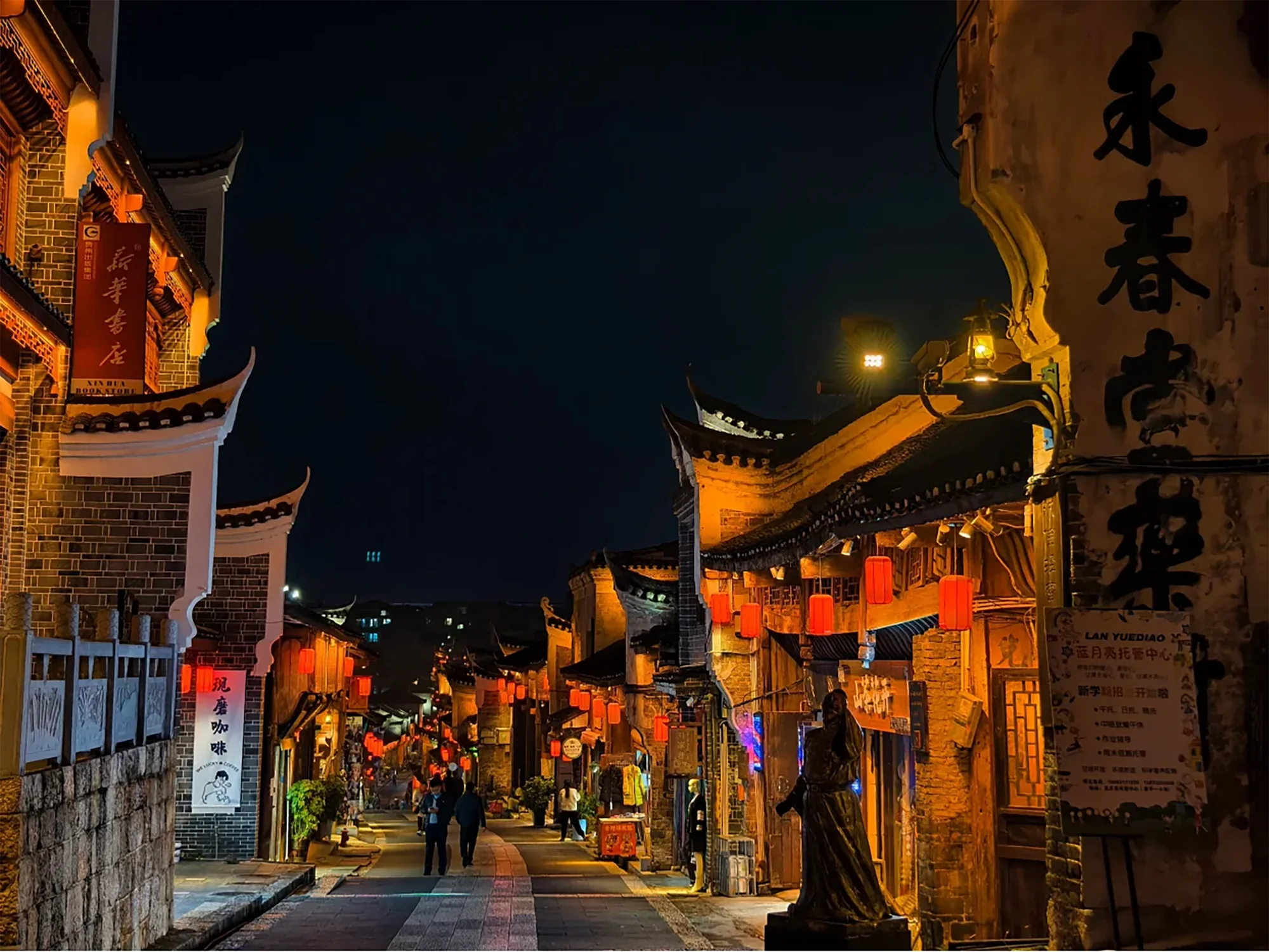
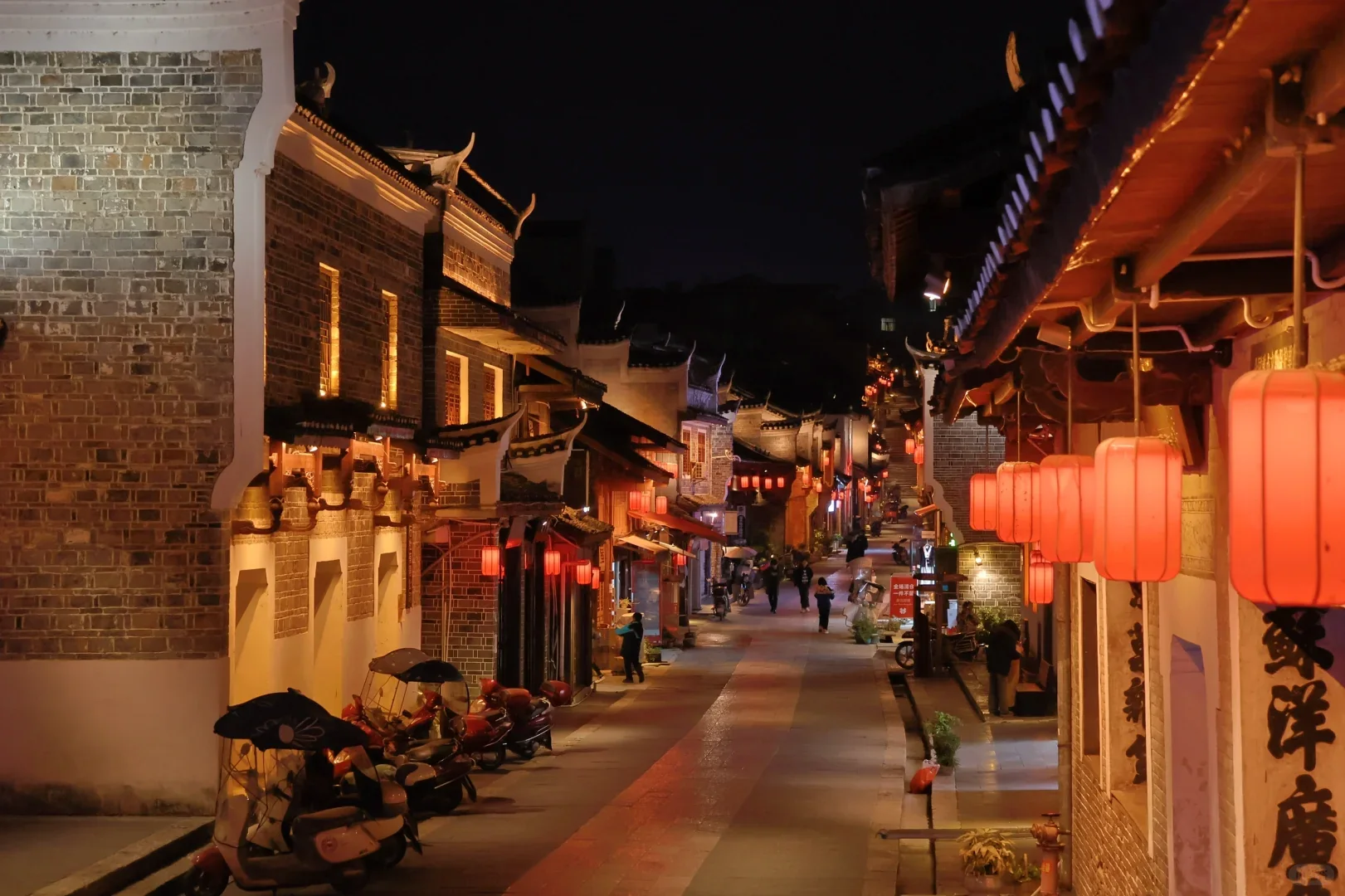
In Liping’s old town, warm lighting picks out grey-brick shopfronts and traditional roof eaves along Qiaojie. Red lanterns add a separate decorative layer to the narrow pedestrian street.
Architectural Lighting Along Liping’s Traditional Commercial Street
Qiaojie runs through Liping’s old town, where brick facades, projecting eaves and shop entrances sit close to the pedestrian route. The stone gateway marks a prominent approach, but inside the lane the character of the place comes from smaller details: masonry, timberwork, signs and lanterns.
The lighting needs to work at both scales. Broader architectural accents help define the street, while restrained illumination on walls and roof edges keeps individual buildings legible from close range. Shopfront and lantern lighting must be considered as part of the same evening environment, not as separate additions.
↗Liping Qiaojie — lanterns and facades along the street
Design analysis
Connecting Street Lighting, Facades and Traditional Rooflines
↗Liping Qiaojie — illuminated gateway viewed from the approach
Setting a Lighting Hierarchy Along the Lane
The gateway gives the street an obvious point of orientation. Beyond it, the lighting should settle into a quieter rhythm shaped by shop entrances, lanterns and the walking route. Brightness needs to be checked from pedestrian height, including junctions, steps and changes in level, rather than from distant views alone.
Illuminating Brick Facades and Roof Details
A wall wash should reveal the brickwork without flattening its joints and recessed details. Eaves need a more directional, continuous accent, with the light source screened where it sits close to passers-by. Lens choice, mounting setback and bracket positions are best checked on a representative section before repeating the installation.
Coordinating Lanterns and Shopfront Lighting
Red lanterns, illuminated signs and shop windows create changing brightness along Qiaojie. Test the proposed architectural lighting while these sources are operating so they do not compete for attention or cause glare. Where controls permit, the late-evening scene can reduce decorative output without compromising the visibility needed for the remaining pedestrian activity.
Project photographs
Liping Qiaojie Night Views: Traditional Buildings and Street Life
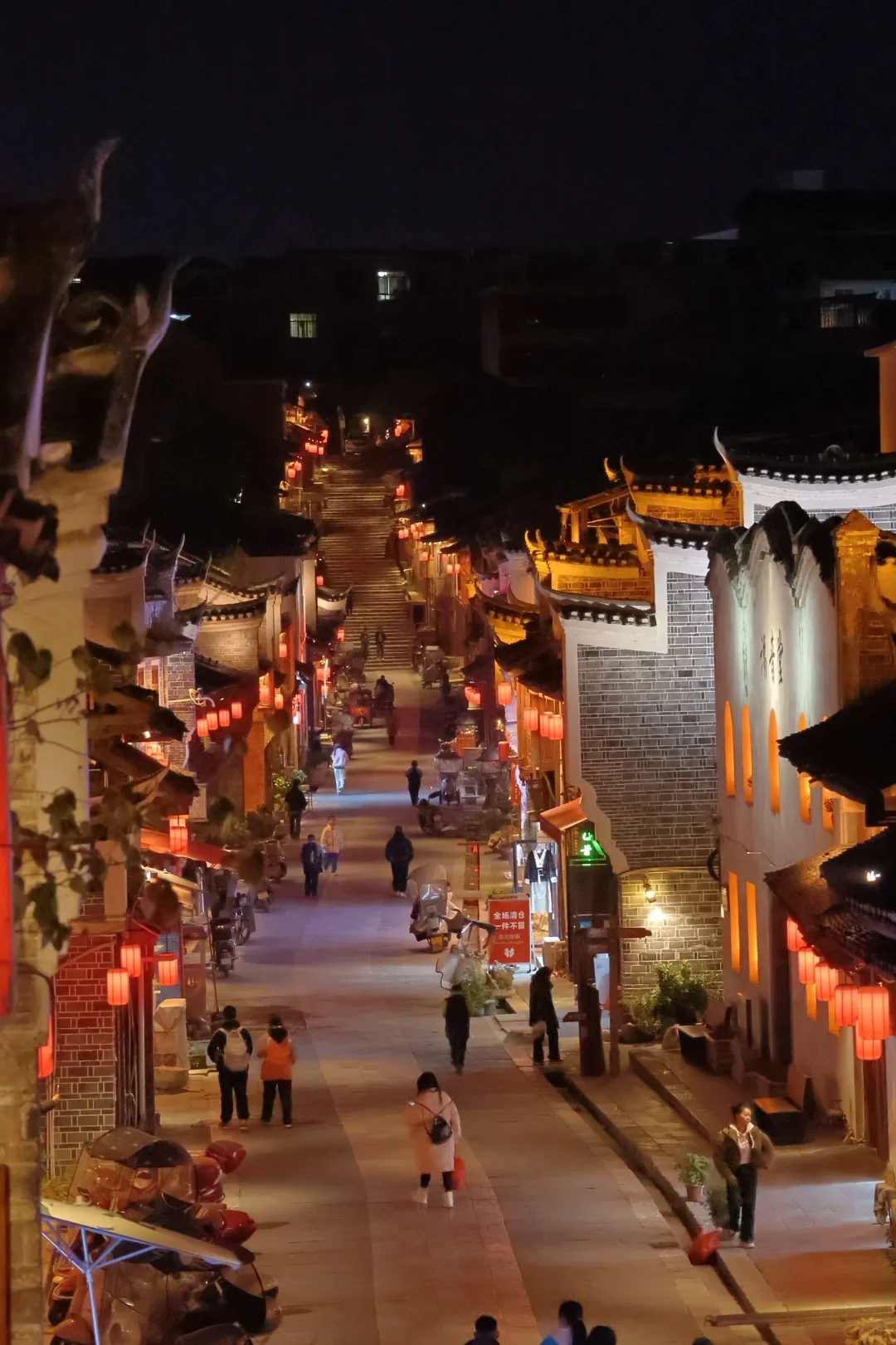
The photographs show the route from the gateway into the shopping street, where rooflines, brick-built shopfronts and lanterns are viewed at close range. They provide a useful reference for assessing how architectural accents sit alongside the existing night-time activity.
↗Liping Qiaojie — traditional street and rooflines at night
↗Liping Qiaojie — illuminated gateway viewed from the approach↗Liping Qiaojie — pedestrian-scale view along the lane
Project views
From the Gateway to the Shopfronts
From the main approach, the gateway and roof profiles establish the street’s identity. Further inside, the balance between wall light, lanterns and signs becomes more important than a single illuminated landmark.
Related products
LED Lighting for Traditional Facades and Narrow Streets
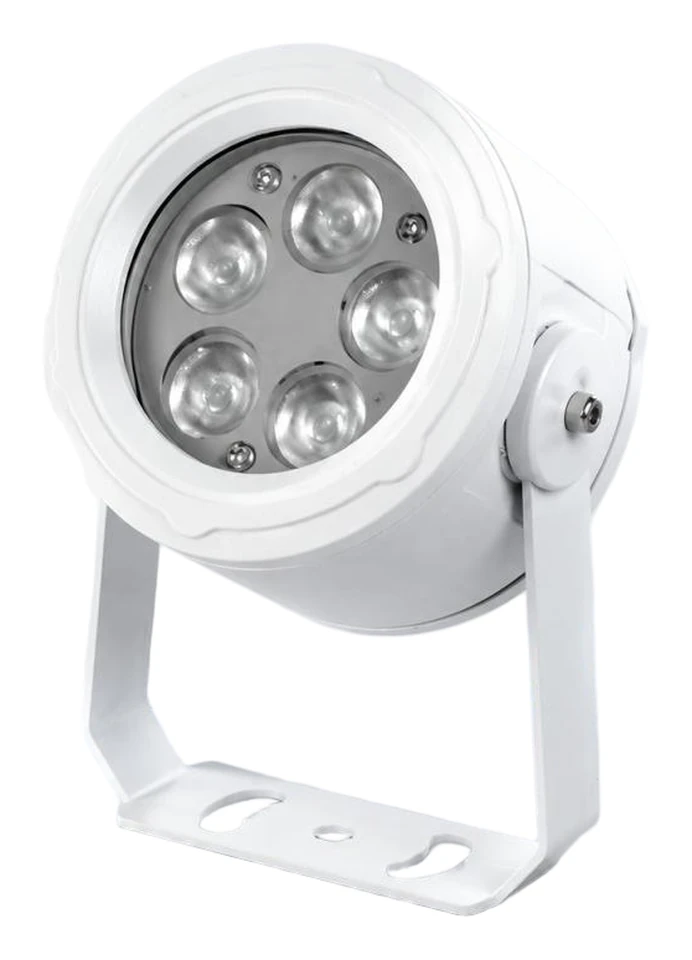
LM-2430 catalogue product
LM Compact Lens LED Wall Washer
Brick Facades and Recessed Wall Details
LM-2430 is a compact lens-based option for lighting street-facing masonry where a suitable fixing position is available. The optic and setback should be chosen to keep mortar joints visible without strong bands of light. Check the desired white-light setting on a representative wall before fixing the spacing.
HL-XT-2230-KP Square With Baffle catalogue product
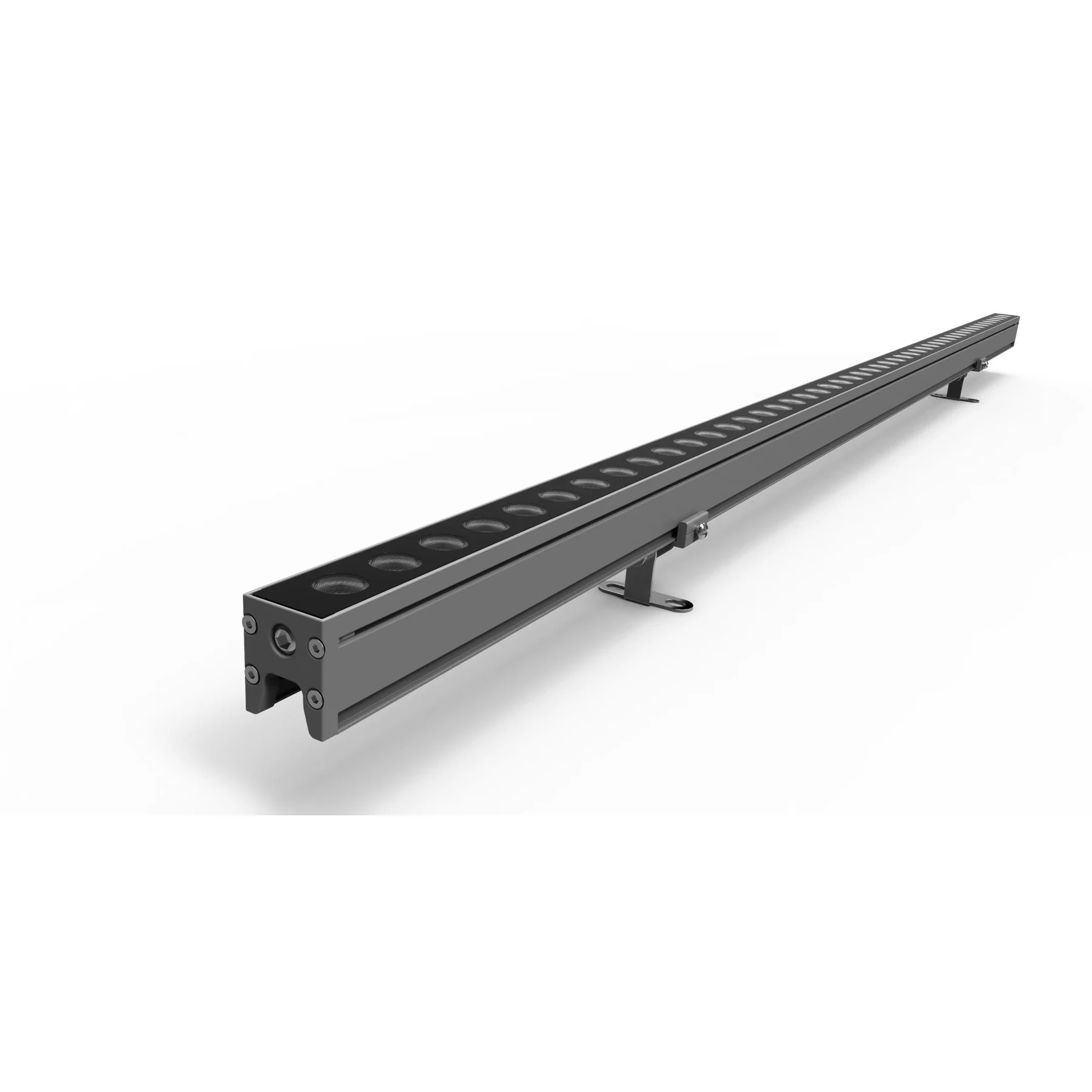
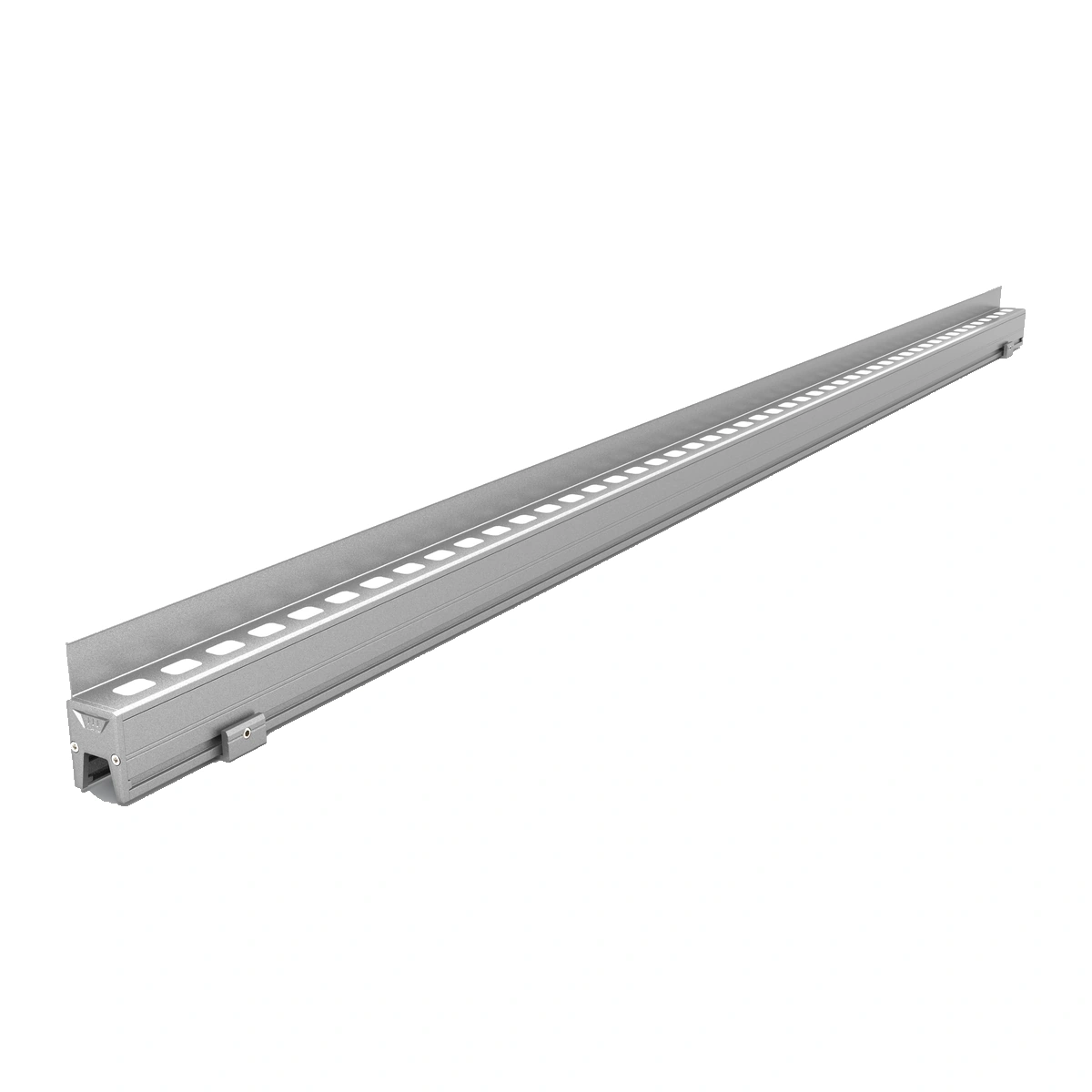
HL-XT KP Baffled LED Linear Light
Shielded Lighting Beneath Straight Eaves
The HL-XT KP profile uses an 18 mm side baffle to reduce the direct view of the LEDs in narrow lanes. It can be assessed for straight, concealed eave sections. Bracket clearance, joints and cable access need detailing, while upturned corners require another mounting solution.
Small architectural details need selective light rather than another facade-wide wash. The adjustable XYLSY-95 is a catalogue option for gateway inscriptions, carved panels and entrance features. Select the beam and aiming angle to make the detail readable without directing light toward pedestrians.
Ancient Street Lighting: Design and Specification FAQs
Practical considerations for closely spaced traditional buildings, shopfronts and pedestrian lanes.
What makes lighting a traditional commercial street different from lighting a single landmark?
A landmark is often judged from a few distant views. A narrow commercial street is experienced while walking, with light sources, signs and doors close to eye level. The scheme must establish a consistent route, control local glare and allow individual shopfronts to retain their identity.
How can LED wall washers show the texture of old brickwork?
Test a short section of the actual wall before deciding the fixture spacing. Adjust the beam and mounting setback so brick joints and recesses remain visible without hot spots. The selected white-light colour should be reviewed on site rather than inferred from photographs.
Can concealed LED linear lights follow every traditional roof corner?
Not automatically. Rigid linear fittings are most straightforward on straight eave runs; upturned corners need a separate segment or a different profile. Confirm fixing space, cable exits, source shielding and future access before approving a continuous roofline detail.
Can decorative lanterns replace functional pedestrian lighting?
They should not be assumed to. Lanterns contribute colour and atmosphere, but steps, level changes and pedestrian crossings still need a separate visibility assessment. Where the site remains open after trading hours, functional lighting and decorative scenes should be planned independently.
What information is needed to quote lighting for an ancient town street?
Provide a street plan, facade and eave elevations, building materials, typical viewing positions, power locations and existing lantern or shopfront lighting. Note any conservation or fixing restrictions, operating hours and maintenance access. CRANE can then review suitable fixture types, optics and control requirements.
Start with your project
Planning an Ancient Street Lighting Project?
Send your street plan, facade elevations and photographs taken from pedestrian level. Include the building details to highlight, any installation restrictions and the desired evening operation. CRANE can review suitable LED lighting and control options for your project.