ARCHITECTURAL LANDMARK LIGHTING · HAIDONG, QINGHAI, CHINA
Haidong Pinganyi Town Architectural Landmark Lighting Project
At Pinganyi Town, layered rooflines and carefully lit architectural details give the traditional-style landmark a clear presence after dark. Warm facade lighting complements the smaller-scale lantern and shopfront lighting along the surrounding streets.
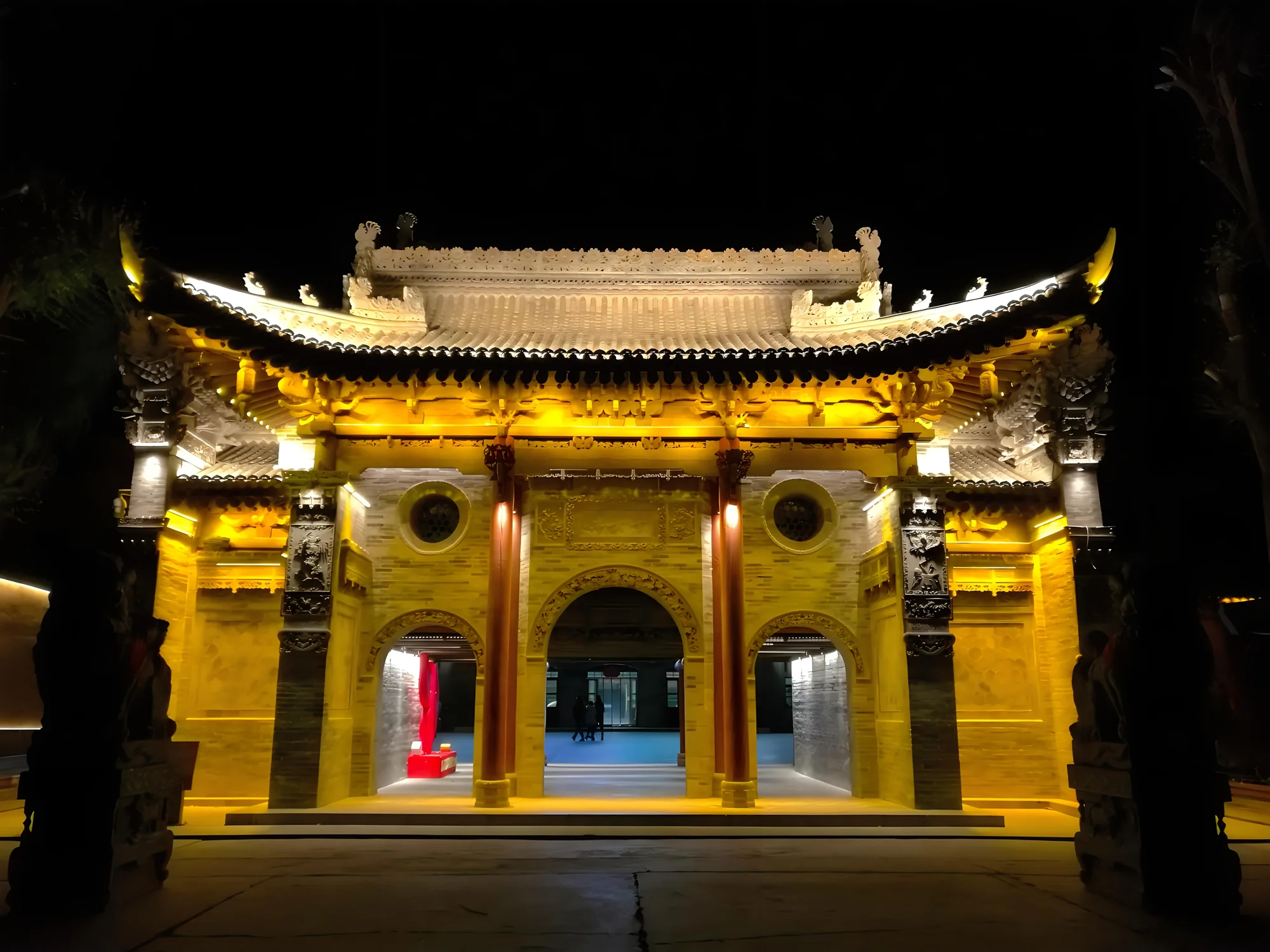
Pinganyi Town landmark gateway with multiple illuminated roof tiers and archways.
Location
Haidong, Qinghai, China
Application
Cultural Tourism Landmark
Lighting Focus
Architectural Facades & Rooflines
CRANE’S SCOPE
Lighting Design & LED Product Supply
PROJECT OVERVIEW
Pinganyi Town’s Main Architectural Feature After Dark
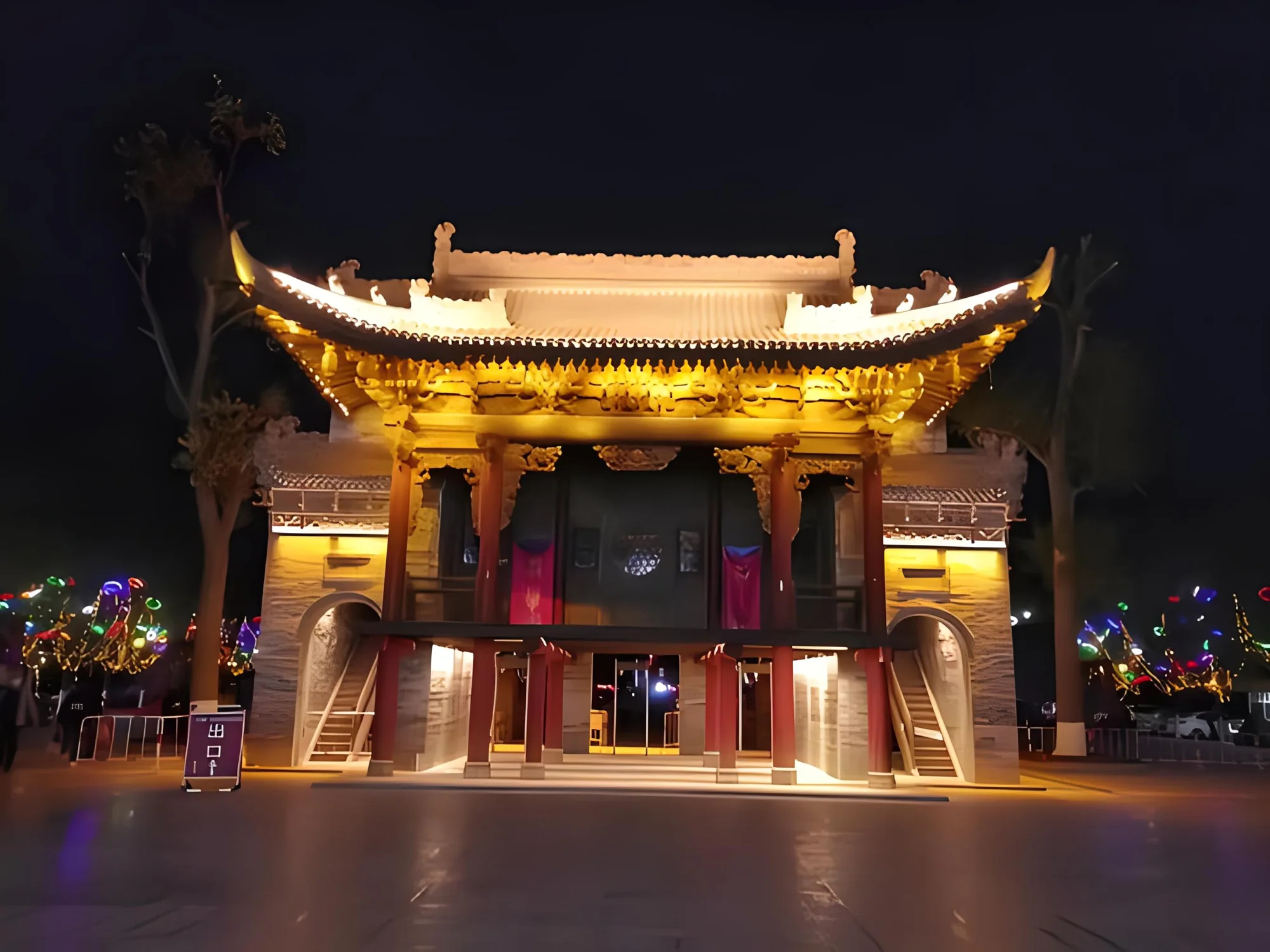
The landmark combines an elevated, multi-tier roof with substantial wall surfaces, arched openings and carved details. From the main approach, the building reads as one recognizable structure. At closer range, the lighting needs to reveal these elements without losing the depth of the recesses and roof brackets.
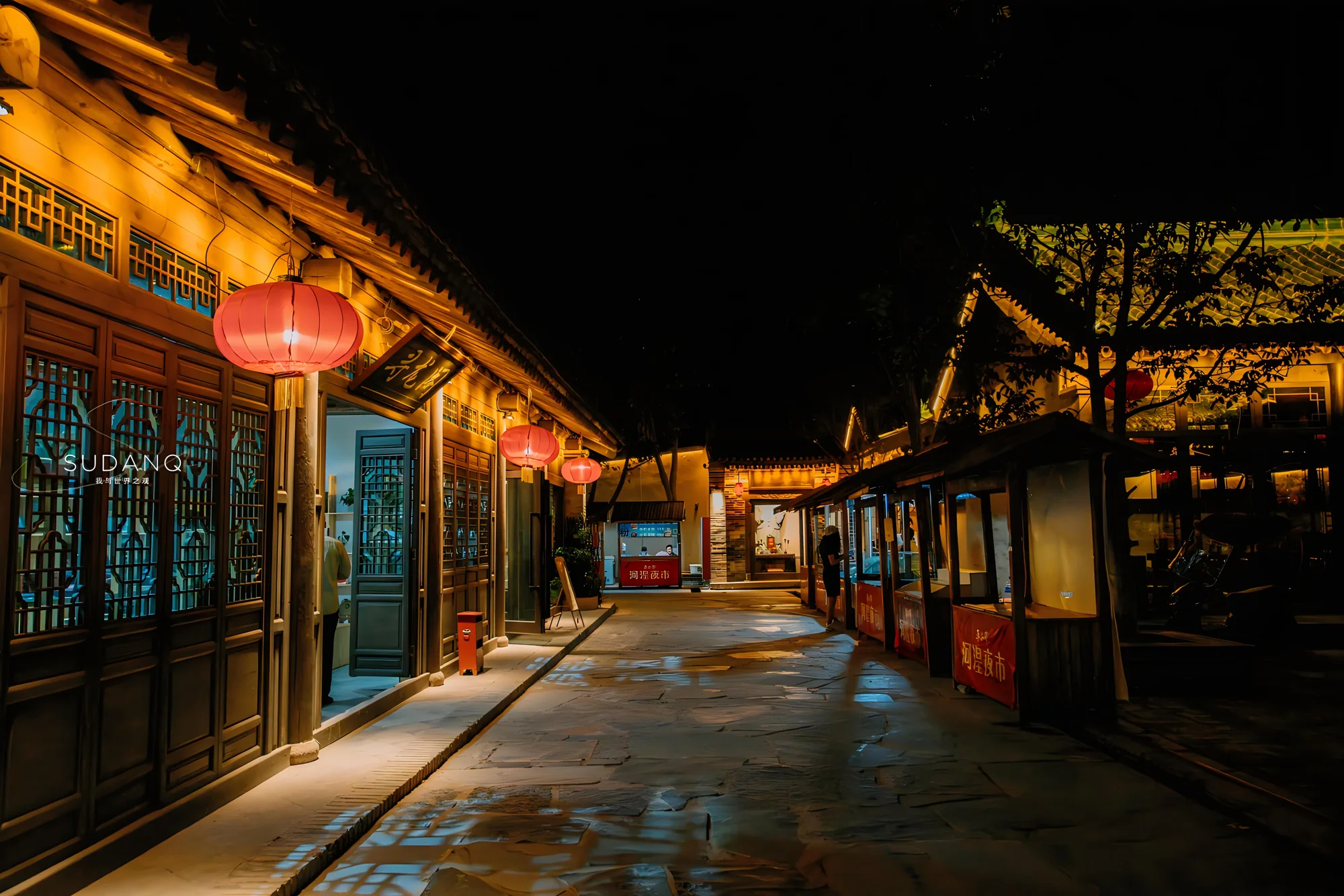
The adjacent commercial street works at a much smaller scale. Shop lighting and hanging lanterns become the dominant sources at pedestrian level. The lighting scheme should maintain the landmark as a focal point while allowing visitors' eyes to adjust comfortably between the open plaza and the street.
↗Traditional-style landmark building and illuminated roofline seen from its approach steps.
DESIGN ANALYSIS
Lighting Layered Rooflines, Facade Relief and Pedestrian Streets
↗Pedestrian commercial street with warm eave lighting and red lanterns.
Defining the Layered Roof Silhouette
The upturned roof edges give the building its recognizable outline. A strong upper contour needs to be balanced with lower-level light beneath the eaves so the brackets and roof tiers retain their depth. For similar buildings, concealed linear luminaires suit straight runs; raised corners require separate attention to joints, mounting and glare.
Revealing Arches and Carved Facade Detail
Arched openings and carved surfaces call for different optical treatment from the roof outline. Wall washing can establish a controlled base level across larger faces, while compact floodlights pick out selected columns and recessed details. The aim is to show material relief without flattening the facade or producing distracting hot spots.
Balancing the Main Building with the Townscape
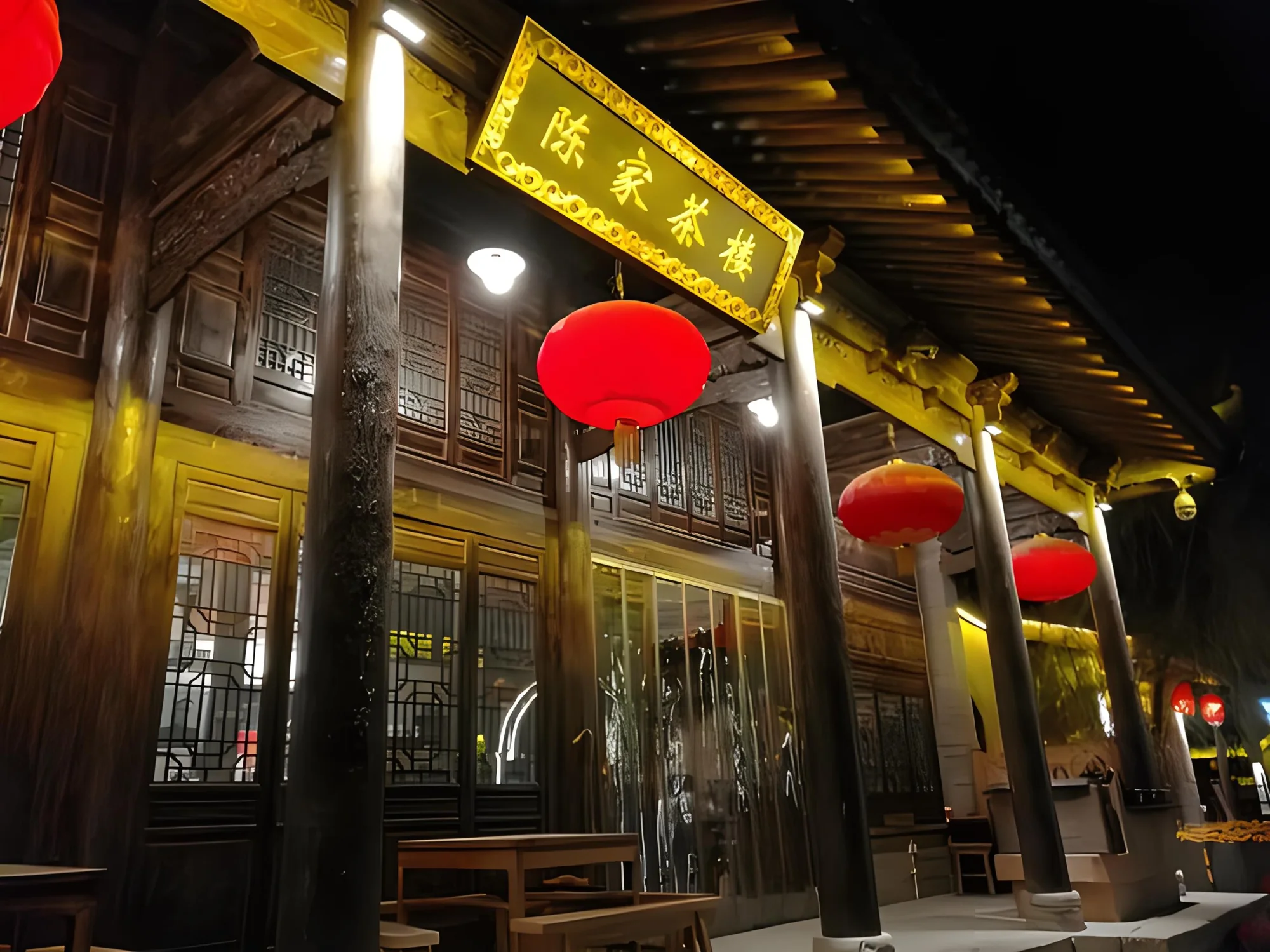
The building is viewed at a distance, but the adjoining street is experienced on foot. Red lanterns, eaves and shopfront lights already contribute to the pedestrian scene. Restrained brightness and well-shielded fittings help the landmark remain prominent without sending excessive light into nearby windows or the direct line of sight of visitors.
Analysis is based on the project photographs. The lighting methods discussed are engineering recommendations for comparable landmark buildings, not a verified installation schedule.
PROJECT PHOTOGRAPHS
Pinganyi Town Lighting: Rooflines, Arches and Streets
Compare the landmark's full elevation with close views of the roof brackets, carved surfaces and commercial street. These views help assess how the lighting reads at different distances.
↗Pinganyi Town landmark gateway with multiple illuminated roof tiers and archways.
↗Pedestrian commercial street with warm eave lighting and red lanterns.↗Lanterns and decorative shopfront details beneath the town’s roof eaves.
PROJECT VIEWS
Roof Profiles, Arches and Pedestrian Streets
The open approach reveals the roof profile as a landmark feature; the closer images show where local accents and glare control matter most.
Related products
LED Lighting Options for Tiered Roofs and Architectural Details
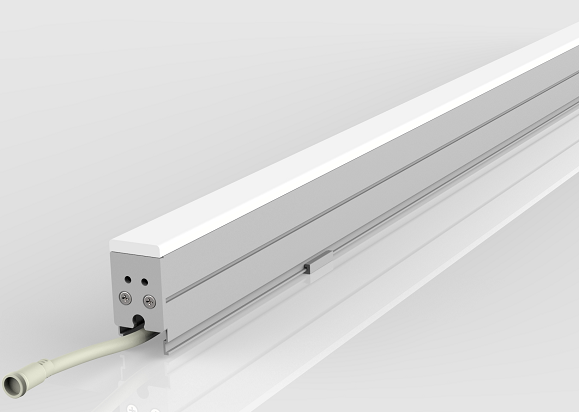
CAL-TM12-I-M1-C1 catalogue product
TM Acrylic-Cover LED Linear Light
Tiered rooflines and concealed eave accents
TM acrylic-cover linear lights offer a way to define straight sections of the landmark roofline. The design must account for the depth of each roof tier, discreet cable exits and consistent light at the joints. Upturned corners may need a separate fixture layout rather than a continuous rigid run.
Architectural surface lighting and recessed arches
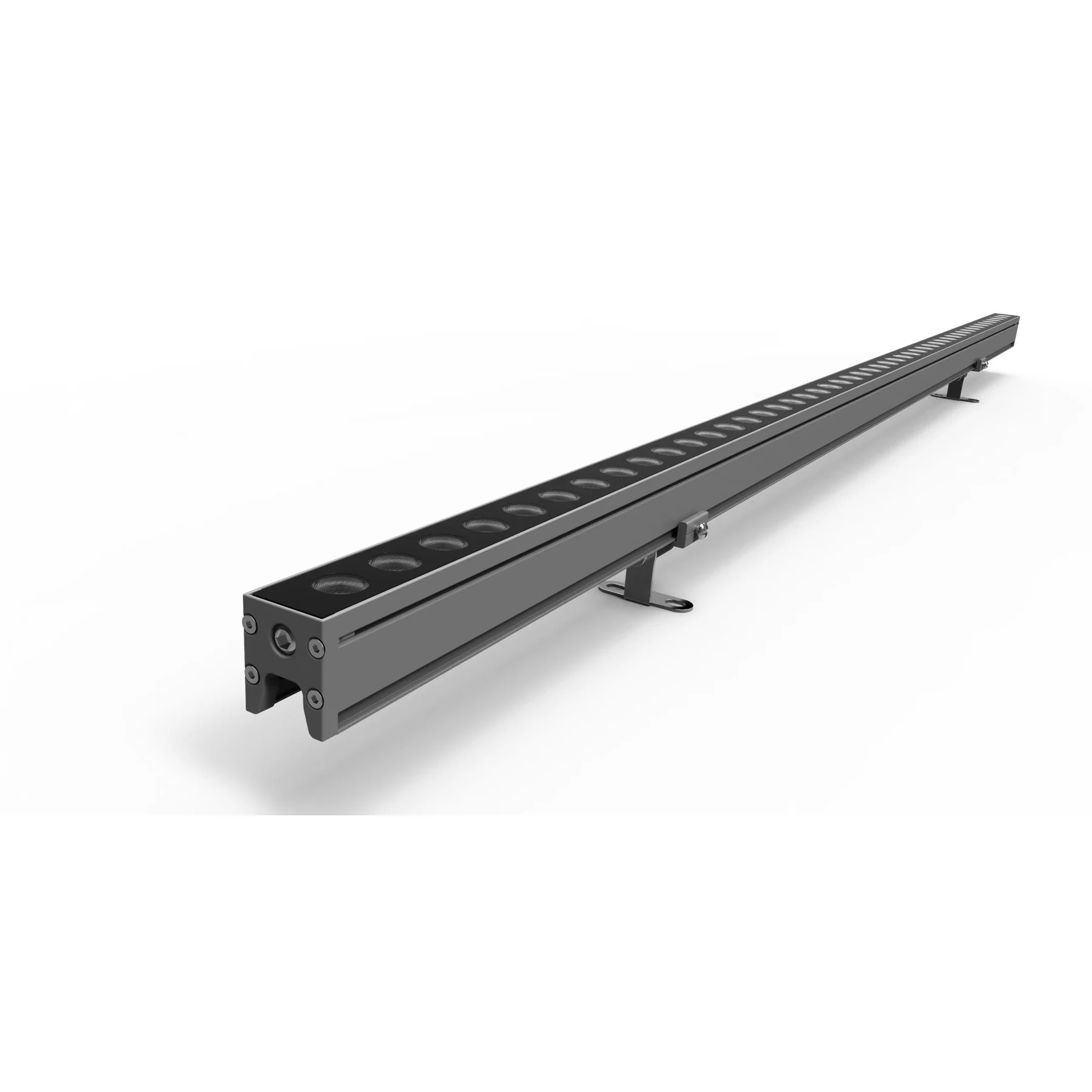
LM Compact Lens wall washers can provide the broader lighting layer beneath the illuminated roofline. Lens selection and mounting distance determine how evenly the surfaces read while retaining relief around the arches. A sample installation helps establish the balance before the arrangement is repeated.
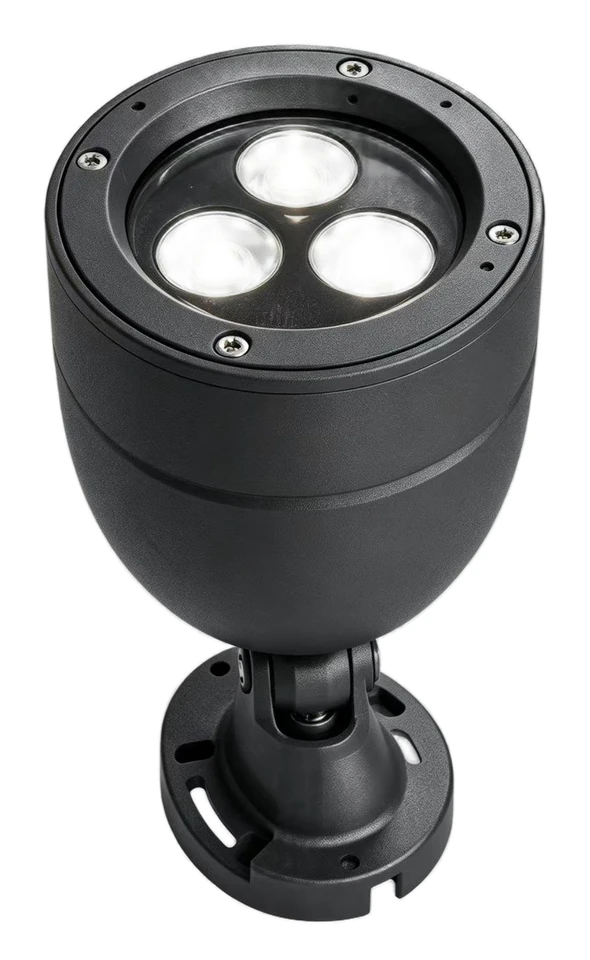
GL Jinbei compact floodlights can emphasize selected reliefs, columns and architectural details that do not receive enough definition from the wall-washing layer. Adjustable aiming and suitable beam control are particularly important near pedestrian sightlines.
These CRANE catalogue products are recommended for similar architectural landmark lighting projects; they have not been verified as the fixtures installed at Pinganyi Town. Confirm optics, mounting details and control requirements before specification.
Practical guidance on mock-ups, roofline installation, facade contrast, control options and project information for similar landmarks.
How should landmark lighting be tested before installation?
Test a representative roof edge and facade section at night, then review them from both the main approach and the nearest pedestrian positions. Check silhouette continuity, surface texture, visible light sources and glare. A mock-up is more useful than relying on fixture wattage or rendered images alone.
Can rigid LED linear lights follow upturned roof corners?
Rigid linear luminaires suit straight eave runs. Upturned corners usually need shorter segments, adjusted joints or a fixture designed for the required curvature. Review the connections from the primary viewing angle and leave service access where possible.
How can carved facade details remain visible without excessive contrast?
Use a broad, controlled wash to establish the surface brightness, then add directional accents only where relief or columns need more definition. Mounting setback and beam spread should be tested together. Excessive contrast can conceal recessed details just as easily as uniform flat lighting can.
Does architectural landmark lighting require RGB effects or DMX512?
No. For traditional-style buildings, steady warm-white lighting with appropriate zoning or dimming may be sufficient. RGB/RGBW scenes and DMX512 control can be considered for specific events or programming requirements, but should not be assumed from the photographs or listed as equipment used at Pinganyi Town without a project record.
What information is needed to quote a landmark lighting project?
Provide front and side elevations, roof sections, approximate dimensions, surface finishes and the main viewing distances. Include possible mounting positions, cable routes, power availability, operating hours and maintenance restrictions. These details help specify linear lights, wall washers and compact floodlights without guessing at the installation conditions.
PROJECT INQUIRY
Discuss an Architectural Landmark Lighting Project
Send drawings and photographs of the landmark, including roof geometry, facade materials and principal viewing directions. CRANE can review suitable linear, wall-washing and accent lighting options for a comparable installation.