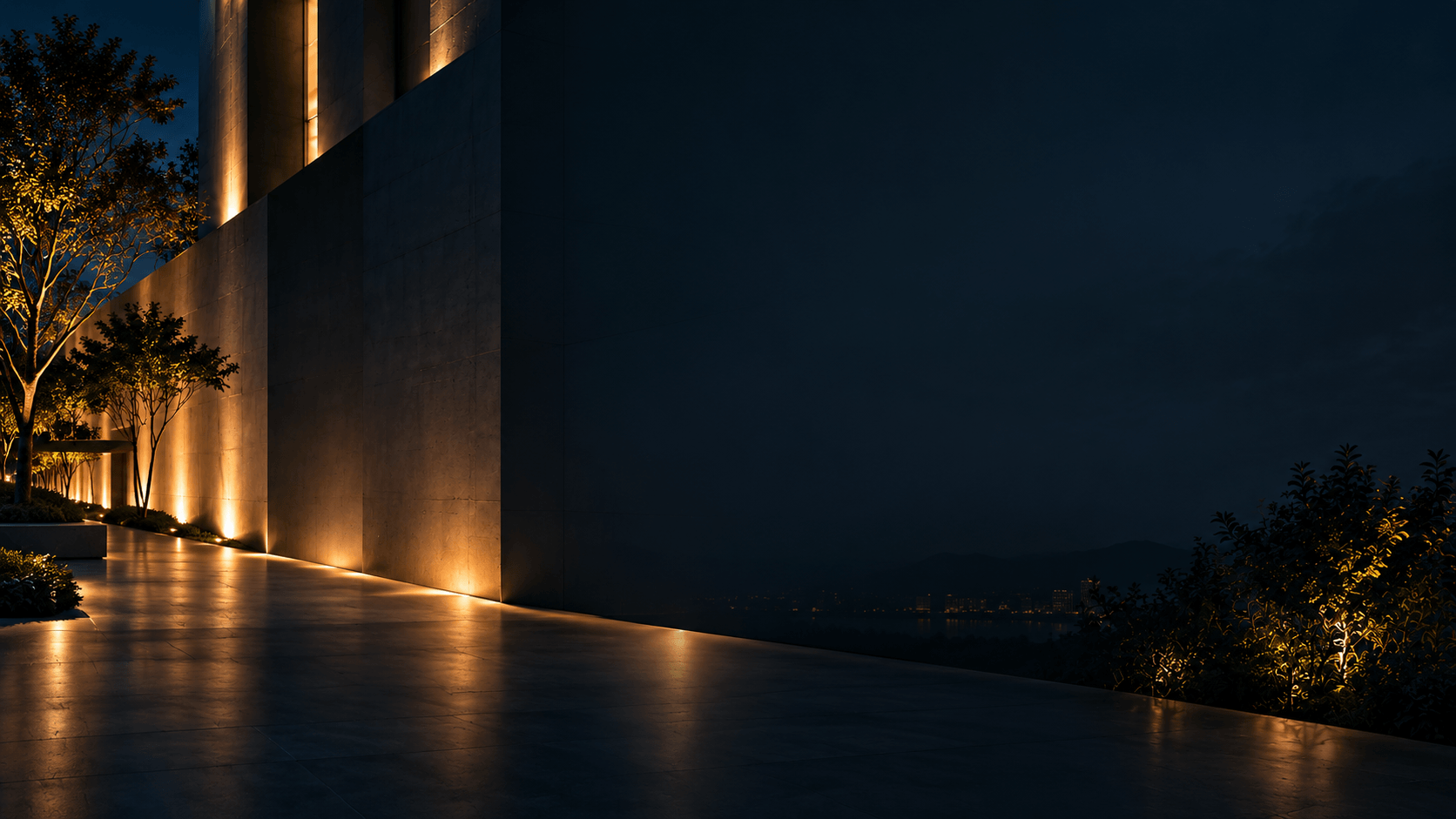
RGB lighting combines red, green and blue emitters to create a range of colours. RGBW adds a dedicated white emitter to that colour-mixing system. For an architectural project that needs saturated colour effects, RGB may be sufficient. When the same installation must also provide a specific white appearance, an RGBW configuration is worth comparing—but its white output and quality still need to be checked for the exact fixture and operating scene.
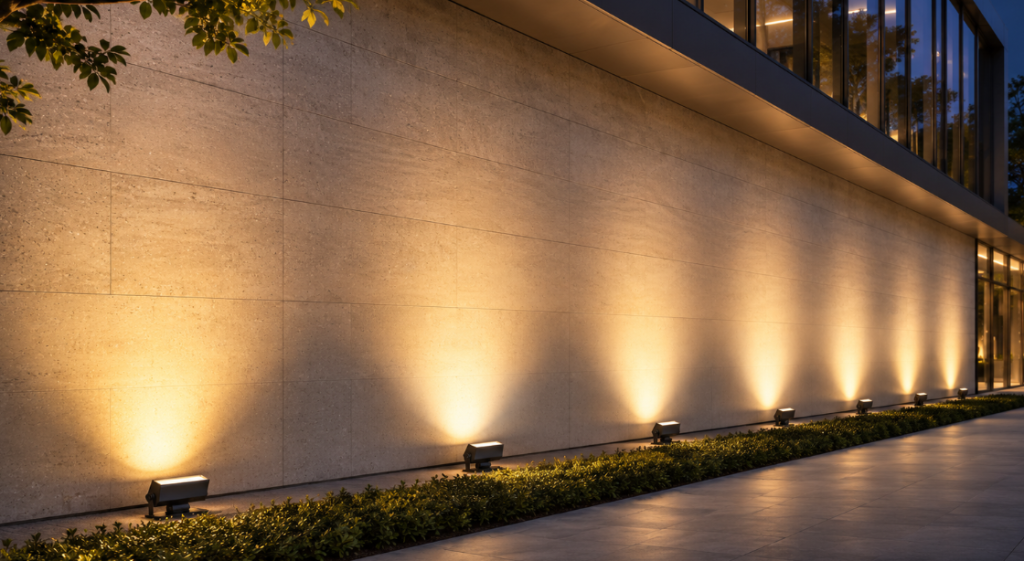
The letters identify the light sources, not a guaranteed colour temperature, colour rendering, output, control protocol or suitability for a particular facade. Compare the complete luminaire, its documentation and a representative sample before making a specification.
How RGB and RGBW create light
An RGB system varies the output of red, green and blue emitters. Their light combines additively: different proportions produce different perceived colours. A white-looking appearance can also be created by mixing the three, but the resulting white and the way it renders materials depend on the emitters, their spectra and the control settings.
An RGBW system adds a white emitter. Depending on the fixture and control mode, the white output may be used on its own or mixed with the coloured emitters. The added channel provides another way to create white and less saturated colours, but it does not automatically meet a specified white-light quality or output.
| Comparison | RGB | RGBW | What to verify |
|---|---|---|---|
| Light sources | Red, green and blue emitters | Red, green, blue and an additional white emitter | Exact emitter configuration and available modes |
| White appearance | Produced by mixing colour emitters | May use the dedicated white emitter, a mix, or both | White chromaticity and output for the required scene |
| Colour scenes | Colour mixing within the fixture’s achievable range | Colour mixing with an additional white component | Required colours, saturation and mixing at the installed distance |
| Control | Depends on product and selected mode | May require a different channel footprint or mode | Protocol, channel map and controller compatibility |
| Project cost and power | Product and scene dependent | Product and scene dependent | Actual quotation, rated input and operating scenes |
Neither label establishes that one fixture will use less energy, produce more light or cost less than another. Compare the specified products under equivalent operating conditions.
What changes when the project needs white light?
Start with the normal operating scene, not just the event scene. If a facade is expected to appear white most evenings and use colour only occasionally, specify what that white should look like and how well it must reveal the building material. An RGBW product’s dedicated white emitter may offer a useful starting point; its actual white-light characteristics still need to match the brief.
White appearance and colour rendering are different
Correlated colour temperature (CCT), expressed in kelvin, describes the warm or cool appearance of a white light near the relevant region of the colour diagram. It does not by itself describe how accurately the light renders materials. Two white-looking scenes with similar CCT can have different spectral distributions and make the same stone, paint or wood appear different.
For the white scene, request the fixture’s stated CCT, colour tolerance and colour-rendering data at the intended operating setting. Colour Rendering Index (CRI) is one metric used for white-light colour fidelity; where a project needs a more detailed assessment, ask for the available TM-30 data and review the relevant measures with the lighting designer. Do not assume that a CRI published for a white-only channel applies unchanged to every mixed RGBW scene.
A white emitter is not automatically warm white, and a single white emitter does not by itself establish a continuously adjustable white-temperature range. Ask what emitter is supplied, which white scenes the fixture can produce, and whether those scenes have documented performance.
Confirm useful output in the actual white scene
A catalogue may list output for a particular configuration or combination of channels. Ask whether the quoted lumens and input power apply to white only, an RGB mixed-white scene or all emitters operating together. Use the relevant photometric file or documented data for the scene being designed; do not assume the maximum combined output is available in every colour.
How to choose for a facade project
Use the decision sequence below to compare actual products rather than selecting by label alone.
- List the required scenes. Identify normal-night white, brand colours, seasonal effects and any transition requirements. Define which scenes are mandatory and which are optional.
- Define the white requirement. If white is needed, record the intended appearance, material considerations, required illuminance and applicable colour-quality criteria. Compare these with documented performance for the actual white scene.
- Check colour and mixing. Review whether each candidate can produce the required colours and whether individual emitters visibly separate on the actual wall at the proposed mounting position. Request a representative sample when colour appearance is important.
- Compare the complete installation. Check beam distribution, mounting and aiming, output in each scene, environmental suitability, power, drivers and compatible controls. A suitable colour engine does not compensate for a mismatched optic.
- Review the channel map and operating plan. Confirm supported protocols, fixture modes, independent control groups, controller capacity and scheduling. The number of emitters does not necessarily equal the number of control channels.
- Approve against the same criteria. Compare quotes, product data and a night-time mock-up using the same target surfaces and scenes. Record the selected mode and settings for the final specification.
Illustrative decision: an everyday white facade with event colours
Assume a commercial facade is intended to operate in white on ordinary nights and display selected colours during events. The design team needs the white scene to complement a stone sample, and the coloured scenes to remain within the building’s control brief. This is a hypothetical example, not a CRANE project.
An RGB candidate can be assessed for its mixed-white scene, while an RGBW candidate can be assessed using its documented white and colour modes. Request data and samples for both actual configurations. Compare the white scene’s colour appearance, colour rendering and delivered light, then inspect the required colour scenes and any visible separation on the stone.
If the RGBW candidate has a dedicated white emitter but its documented CCT or rendered appearance does not match the brief, the presence of “W” is not enough to approve it. If neither candidate meets the white requirement, consider an alternative configuration or separate white-light equipment after reviewing installation and control implications.
Check colour mixing, controls and installation
Colour mixing on the target surface
Separate emitters and optical elements can produce visible colour fringes or uneven mixing at some distances or viewing positions. The effect depends on the actual LED arrangement, optics, surface and mounting geometry. A product with RGBW emitters is not automatically free of colour shadows or visible colour separation.
Ask for product-specific optical information and test the fixture against the intended facade material. Check white, mixed colours and transitions from relevant pedestrian and distant viewpoints. A rendering or catalogue image can support discussion but does not replace a representative physical test when appearance is critical.
Control compatibility and channel allocation
RGB and RGBW describe emitter configurations; they do not identify the control protocol. A fixture can be offered with different controls depending on its design. For a DMX512 project, obtain the channel chart for the selected configuration and mode before calculating controller capacity or assigning addresses.
An RGBW mode may use four channels, but it can also use additional channels for master dimming, effects or finer control. Confirm the exact map, grouping, addressing method and response to signal loss. A more detailed guide to DMX addressing can cover those calculations separately.
Supply, environment and maintenance
Compare rated input, driver or power-supply requirements, connection method and protection for the location. For outdoor use, assess the enclosure and field connections against the expected exposure; review corrosion, traffic loads and surge protection separately where applicable. These properties cannot be inferred from the letters RGB or RGBW.
Review CRANE product candidates
For linear facade washing, the CRANE LM 66 Multi-Row LED Wall Washer product page lists RGB and RGBW among its light-colour options. It is a candidate to review when its physical format, optics and mounting arrangement match the facade.
For a project with an appropriate floodlight mounting position, the CRANE P Single-Module Architectural LED Floodlights page also lists RGB and RGBW as configurations. The two product families should be evaluated according to the target and available installation geometry; they are not direct substitutes based on colour options alone.
For either candidate, confirm the exact model, RGB or RGBW configuration, white emitter specification, output and colour-quality data for the required scene, optical file, control mode and installation requirements. Request the channel map and sample information needed for the project. A page listing RGBW does not establish a particular CCT, CRI or channel order for every configuration.
Frequently asked questions
Can a white wall appear different from coloured stone under the same scene?
Yes. Materials reflect different portions of the light they receive, and texture and viewing direction also affect appearance. Test the required scenes on representative samples of the actual facade material.
Is an RGBW fixture automatically a tunable-white fixture?
No. A tunable-white capability requires a specified and supported range of white appearances and a control method to reach it. Check the manufacturer’s documented range and performance rather than inferring it from RGBW.
Can an RGB controller operate an RGBW luminaire?
Compatibility depends on the controller, protocol, wiring and fixture mode. A controller that supports only three outputs may not provide independent control of a separate white channel. Check the actual channel map and hardware before connecting equipment.
Does the label RGBWW always mean the same thing?
No. Naming varies: it may refer to RGB with warm white or, in some product ranges, a different arrangement involving white emitters. Ask for the emitter list, available white settings and control map for the exact model.
Can fixtures from different manufacturers match the same brand colour?
Not necessarily. Emitters, calibration, optics and control processing differ. Where a specific colour match matters, agree on the target and viewing conditions, then compare representative fixtures or documented colour data before procurement.
Does adding the white channel make every pastel more saturated?
No. Adding white typically changes the perceived saturation of a colour mixture, and the outcome depends on the relative channel outputs and control processing. Test the desired pastel scenes rather than relying on a generic RGBW claim.

Ethan Lee
Product Selection
Explore Lighting Products for Facade Projects
Compare product families by the lighting effect, mounting position and architectural detail you need to achieve.
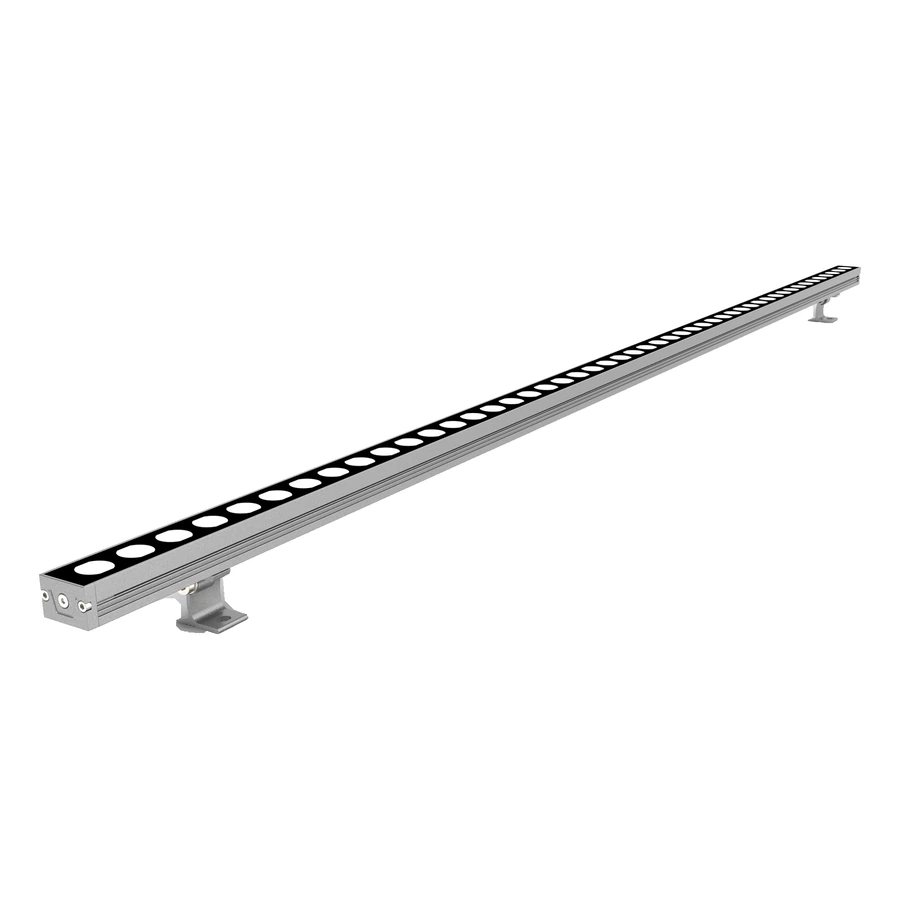
LED Wall Washer Lights
Architectural wall washer lighting for building facades, vertical surfaces and outdoor structures.
Browse Wall Washer Lights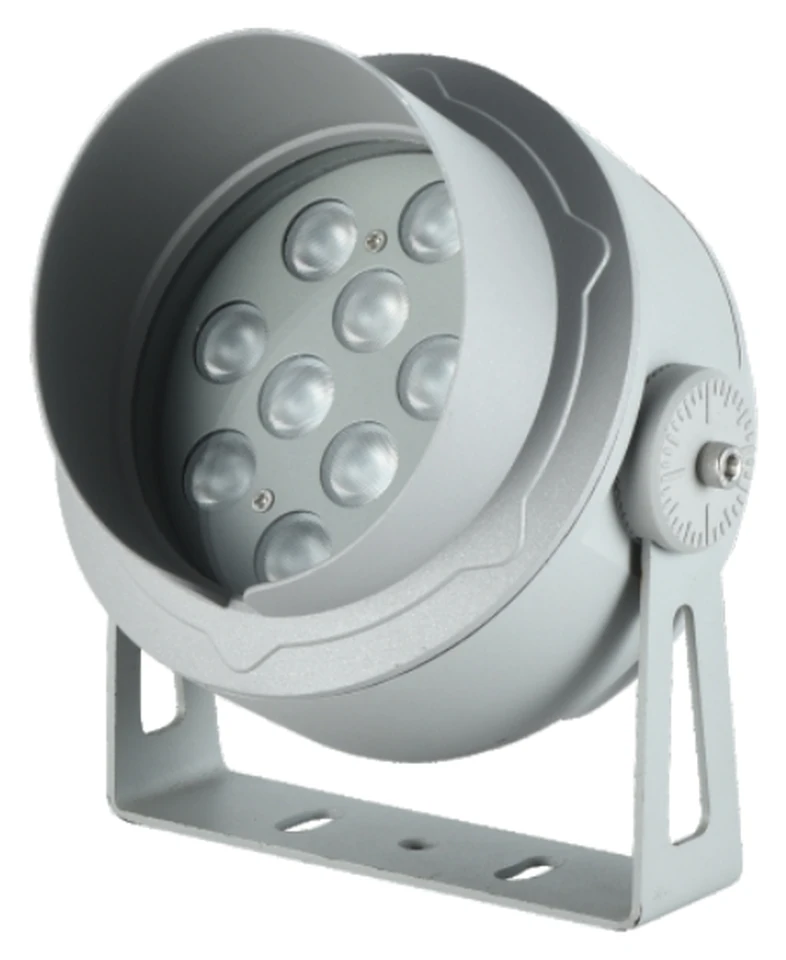
LED Flood Lights
Architectural LED flood lights for facades, landmarks, landscapes and outdoor lighting projects.
Browse Flood Lights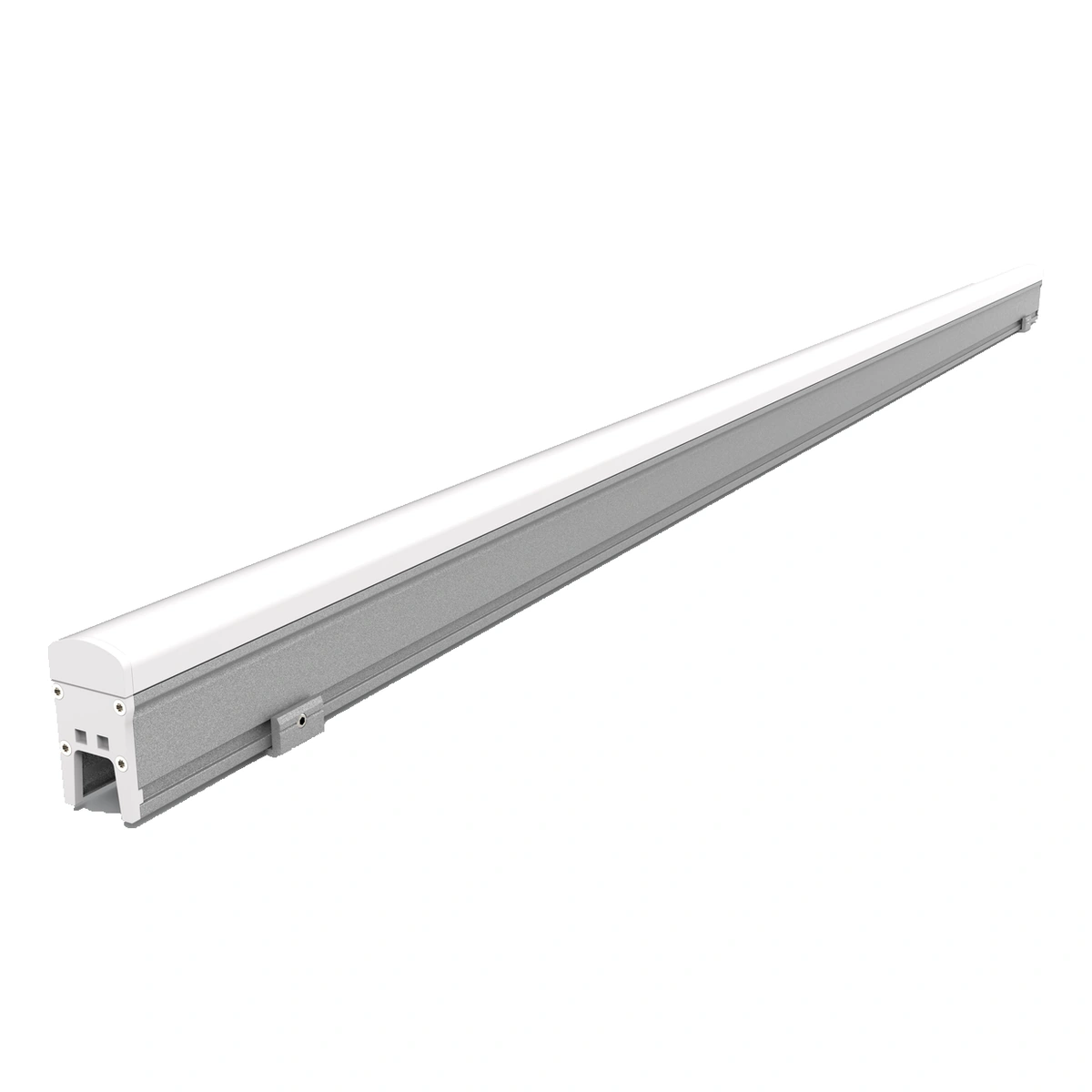
LED Linear Lights
Architectural LED linear lights with model-specific PC covers, glass faces or aluminium aperture-style profiles.
Browse Linear LightsExplore Facade Lighting Solutions
Related Project
See Facade Lighting in Practice

Changsha Xiangjiang Happy Ocean
At Changsha's Xiangjiang Happy Ocean, LED lighting traces the amusement rides and brings color to themed buildings and sculptural features. The project combines facade washes, linear accents and floodlighting with DMX512-controlled lighting scenes.
View the Lighting ProjectProject Inquiry
Discuss Your Facade Lighting Project
Tell us about your facade, desired lighting effect and project requirements.